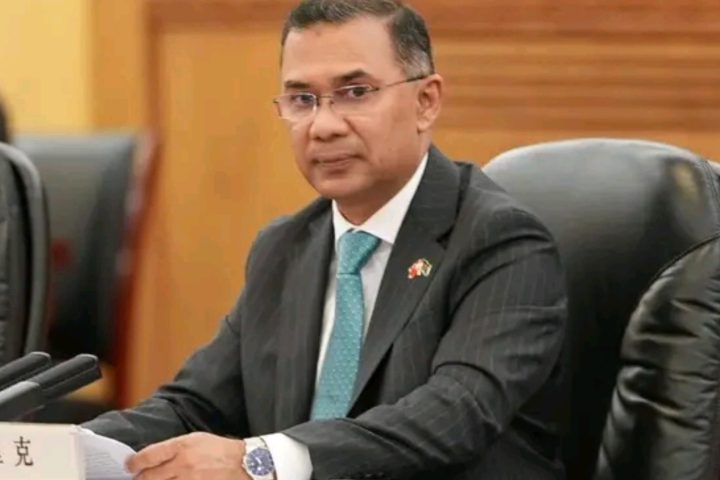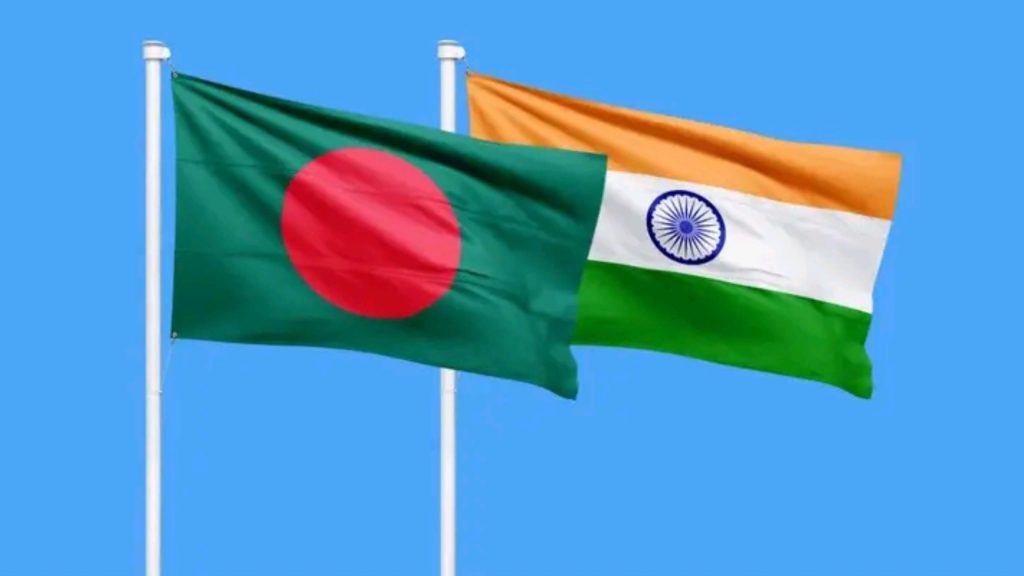
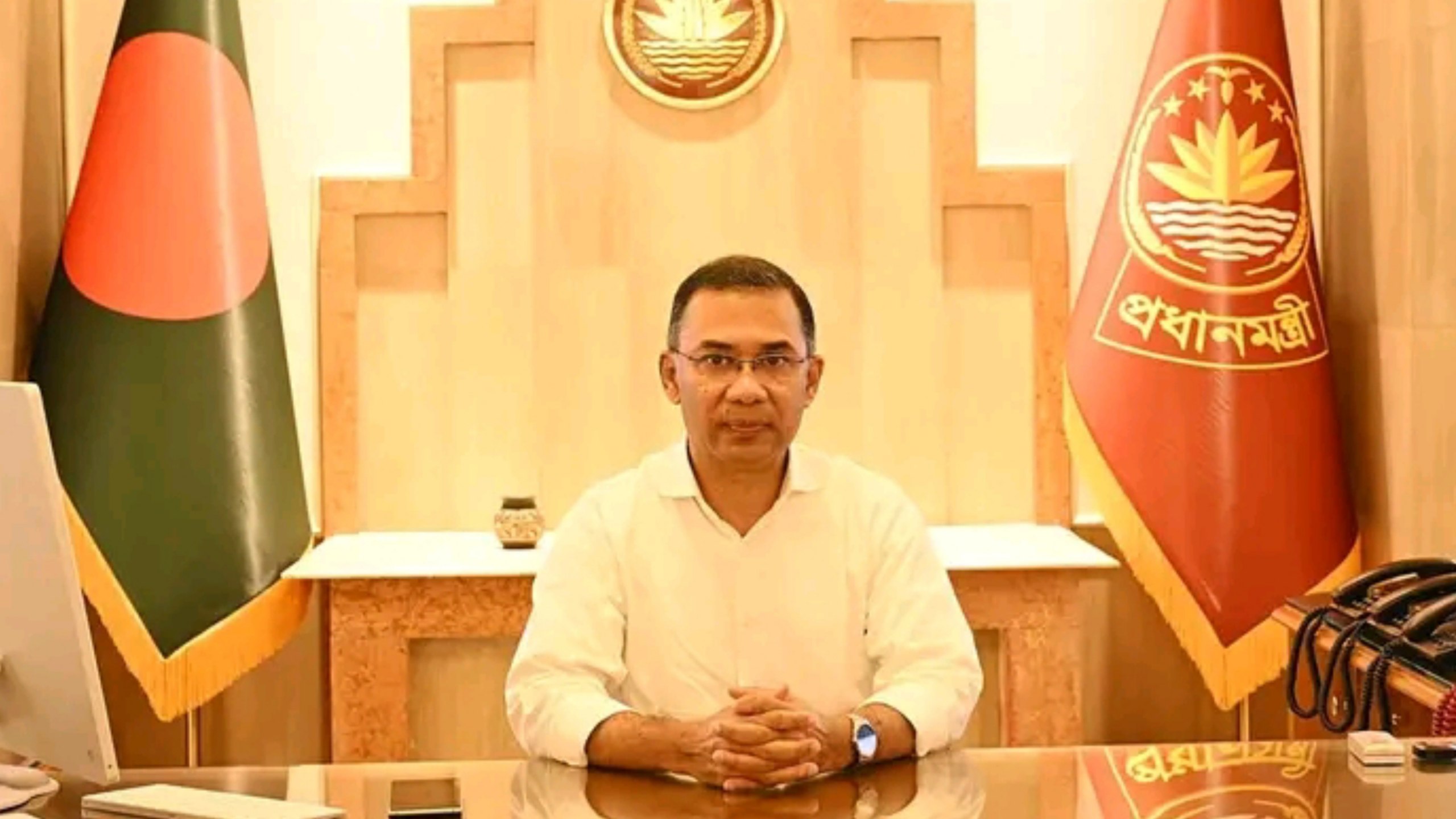
Bangladesh has moved from quietly hesitating over Prime Minister Tarique Rahman’s first trip to India to explicitly conditioning it on New Delhi’s response to two outstanding demands. Foreign ministry spokesperson AKM Shahidul Karim said on August 16 that Dhaka wants India to create a propitious environment for the visit, tying that language directly to two long-pending requests: the extradition of former prime minister Sheikh Hasina, and the handover of men accused of killing student leader Sharif Osman Hadi.
What Dhaka Actually Said
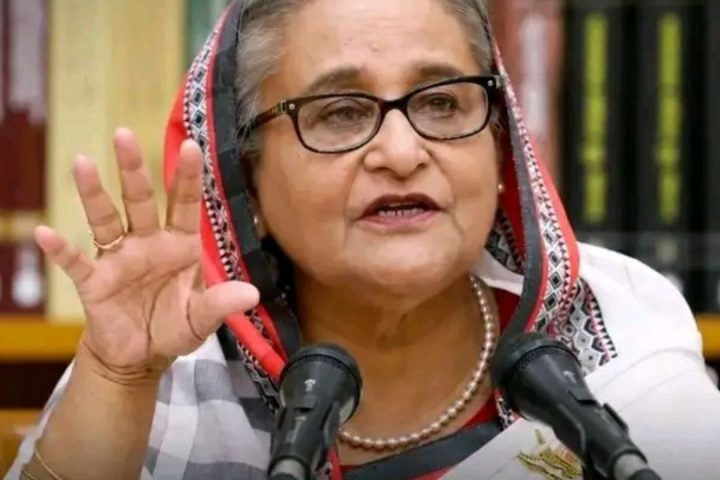
Karim confirmed that officials from both countries had been discussing a possible bilateral visit by Rahman for several weeks, but said the process was disrupted by an open press interaction Hasina gave in New Delhi on August 5.
He described her as someone already convicted by Bangladesh’s International Crimes Tribunal for crimes against humanity, and said Dhaka had made its position on the matter clear. In his own words, quoted by state-run Bangladesh Sangbad Sangstha, Bangladesh has requested Indian authorities to expeditiously act on its request to extradite Hasina and other fugitive criminals, and to hand over the accused killers of Sharif Osman Hadi in compliance with the two countries’ bilateral extradition treaty, adding that Dhaka is awaiting a response.
He said the atmosphere surrounding the visit needed to improve before it could proceed, though he also noted he felt somewhat reassured following a conversation with the Indian High Commissioner.
The Hasina Extradition Request
Sheikh Hasina has remained in India since fleeing Dhaka by military aircraft on August 5, 2024, as protesters stormed her official residence during the mass uprising that ended her long rule. Bangladesh and India signed an extradition treaty in January 2013, during Hasina’s own time in office, and amended it in 2016 to make the process faster.
Dhaka has repeatedly invoked that treaty since her departure, most recently intensifying its request after Bangladesh’s International Crimes Tribunal sentenced her to death in absentia in November 2025, alongside former home minister Asaduzzaman Khan Kamal, over the deadly crackdown on last year’s protests.
India’s Ministry of External Affairs has acknowledged receiving Dhaka’s formal requests but has consistently declined to comment on their substance or offer any timeline. Rahman raised the extradition request again directly with Indian High Commissioner Dinesh Trivedi during a meeting on August 10, following up on the formal notes already sent to New Delhi.
Who Sharif Osman Hadi Was
The second condition centres on a case that reshaped Bangladesh-India tensions in ways the extradition dispute alone had not. Sharif Osman Hadi, 32, spokesperson for the youth movement Inquilab Mancha and one of the most recognisable leaders of the 2024 uprising against Hasina, was shot in the head by masked assailants in Dhaka on December 12, 2025, while campaigning ahead of February’s parliamentary elections. He was flown to Singapore for treatment but died of his injuries on December 18.
His death, and his history of vocal criticism of India, triggered days of violent protests across Bangladesh, including attacks on the offices of two major newspapers accused of favouring India, and the burning of a prominent cultural institution. A Hindu worker, Dipu Chandra Das, was separately lynched by a mob during the unrest over blasphemy allegations that police later said they found no evidence to support, an incident India’s foreign ministry cited when raising its own concerns about attacks on minorities in Bangladesh.
Where The Investigation Stands
Dhaka police say the investigation quickly identified two prime suspects, Faisal Karim Masud and Alamgir Sheikh, who they allege crossed into India’s Meghalaya state via the Haluaghat border shortly after the shooting, aided by local contacts who guided them to the city of Tura. Bangladeshi investigators said they were in touch with Meghalaya police, who confirmed arresting two Indian nationals accused of helping the suspects cross the border, and a court has since placed two more men on remand over allegations they assisted the prime suspect’s escape.
India’s foreign ministry has pushed back on any suggestion of Indian state involvement in the killing itself, describing such claims as false narratives. Adding further confusion to the case, Masud released a video in February claiming he was in Dubai rather than India, denying any role in the killing and instead alleging that Bangladesh’s Jamaat-e-Islami was responsible. Bangladesh’s interim government, which was still in office when the killing occurred, formally asked the UN human rights office in February for technical assistance to support what it called a fair, impartial, and expeditious investigation into Hadi’s death.
Discover More Stories Worth Your Time
Find Which Airport Hotels Fit?
Discover convenient hotels near Dhaka Airport for short layovers and overnight stays.
Learn How Rohingya Youth Lead?
Explore how young Rohingya are advancing education and gender equality in refugee camps.
Explore Why Colombia Declared Emergency?
Discover what the powerful earthquake means for Colombia and the latest emergency response.
Check Why Jaya’s Sarees Trend?
Discover why Jaya Ahsan’s elegant saree looks continue captivating fans online.
See Where Hasina’s Crisis Leads?
Explore the accountability debate surrounding Hasina, India, and Bangladesh’s political future.
Why This Matters For The Visit
India has extended two separate invitations for Rahman to visit, a bilateral trip first proposed by Prime Minister Narendra Modi in February 2026, and a subsequent invitation to attend the BRICS Summit outreach session in New Delhi on September 12 and 13.
Dhaka’s foreign ministry confirmed on August 14 that both invitations remain open on India’s side, but Bangladesh has yet to commit to either. By explicitly linking the visit’s viability to progress on both the Hasina and Hadi cases, Dhaka has effectively raised the political cost of any trip that is not preceded by some visible movement from New Delhi, particularly given how deeply the Hadi killing has inflamed anti-India sentiment inside Bangladesh over the past several months.
A Relationship Still Searching For Footing
Ties between the two neighbours have remained strained since Hasina’s ouster, shaped by disputes over her extradition, the security of religious minorities in Bangladesh, and unresolved border issues, even as both governments have taken smaller steps toward normalisation, including India’s resumption of tourist visa services for Bangladeshi nationals.
Whether Rahman’s first trip to New Delhi happens in time for the BRICS summit, is arranged separately afterwards, or continues to be delayed indefinitely now appears to hinge less on scheduling than on whether India is willing to act on the two cases Dhaka has placed at the centre of the relationship.