
Bangladesh’s dengue death toll crossed 100 this year after the country recorded 1,324 new hospital admissions in a single 24-hour period, the highest daily count so far in 2026. The figures, released by the Health Emergency Operation Centre and Control Room under the Directorate General of Health Services, mark the second consecutive record day, surpassing the previous high of 1,163 admissions set just one day earlier.
Five more deaths were confirmed in the latest 24-hour period, pushing the year’s total to 102. Of those fatalities, one was reported in Dhaka North City Corporation, two in Dhaka South City Corporation, one in Mymensingh Division, and one in Chattogram Division, underscoring how the outbreak now stretches well beyond the capital.
A Slow Start That Turned Into a Sharp Climb
This year’s outbreak did not begin as an emergency. As of July 31, Bangladesh had reported roughly 15,310 cumulative cases, a figure that was actually 61% lower than the same period in 2025 and well below the five-year average, according to European health surveillance data. Monthly case counts had been rising steadily since April, but the trajectory remained comparatively mild through much of the first half of the year.
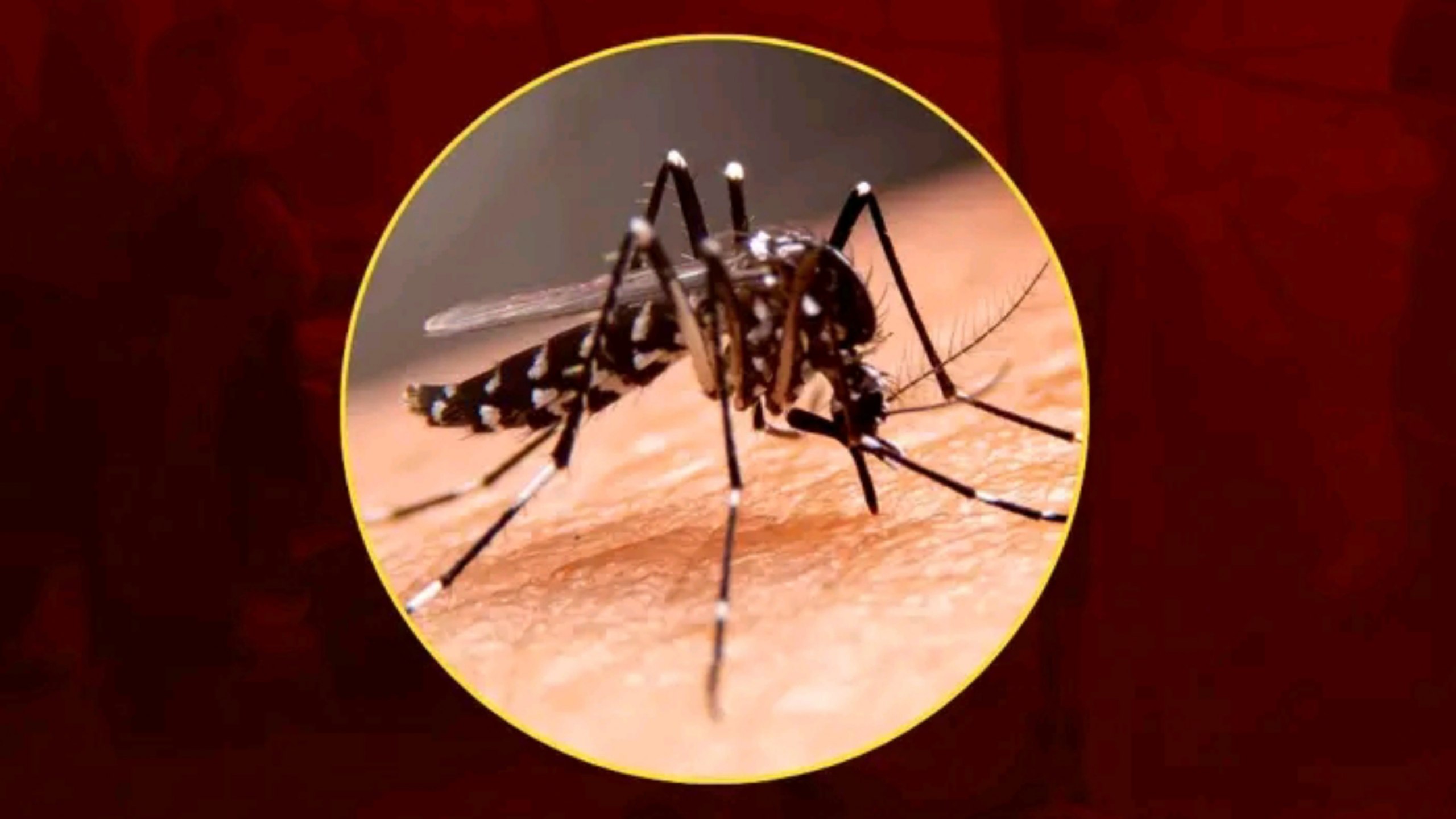
That picture has changed considerably since. Health experts have long noted that Bangladesh’s dengue cases traditionally peak in September, as the monsoon and post-monsoon seasons create ideal breeding conditions for the Aedes aegypti mosquito, and in recent years that peak has shifted later, from August toward September. The current surge fits squarely within that seasonal pattern, though the scale of recent daily admissions suggests this year’s second half could rival or exceed past severe outbreaks.
Why Bangladesh Keeps Facing This Cycle
Dengue has become a near-annual public health emergency in Bangladesh, driven by a combination of factors that researchers describe as a perfect storm: climatic conditions favourable to mosquito breeding, rapid urbanisation, high population density, growing insecticide resistance, and gaps in public awareness. Dhaka has consistently borne the brunt of past outbreaks, historically accounting for more than half of all national cases and an even higher share of deaths, though other cities including Chattogram, Khulna, and Barishal have also been heavily affected due to similar density and waste management challenges.
The country’s healthcare system has struggled to absorb these recurring surges. Bangladesh’s worst outbreak on record came in 2023, when more than 321,000 people were hospitalised, and 1,705 died nationwide, a scale of crisis that overwhelmed hospital capacity and strained the quality of care patients received.
Warnings From Health Experts
Public health experts and entomologists have cautioned that if mosquito breeding conditions remain favourable, infections could continue climbing through September and October before the seasonal threat subsides. That warning appears to be playing out in real time, with each of the past two days setting new records for daily hospital admissions.
Health Adviser Moyeen Khan has said the government is giving dengue prevention its highest priority, though the back-to-back record admission days suggest current control measures have yet to bend the curve. Health authorities have previously issued multi-point directives asking hospitals to prioritise dengue treatment and increase capacity as case numbers rise, a pattern likely to repeat if hospitalisations keep climbing at this pace.
Discover More Stories Worth Your Time
See Which Foods Ease Seasonal Changes?
Explore five comforting foods that can help you feel your best.
Explore Why Wages Stay Frozen?
Discover how stagnant minimum wages are affecting Bangladesh’s garment workers and families.
Check How Conflict Hurts Jobs?
Explore why Middle East tensions could threaten Bangladesh’s jobs and poverty gains.
Learn How To Spot H1N1?
Discover H1N1 symptoms, prevention tips, and essential facts for Bangladesh.
Find Which Netflix Picks Worth Watching?
Discover binge-worthy Netflix choices for a relaxing weekend at home.
What to Watch in the Weeks Ahead
With the historical peak period still unfolding and no clear sign yet that admissions have plateaued, the coming weeks will be critical in determining whether this year’s outbreak stabilises or continues to escalate toward the kind of severe, system-straining crisis Bangladesh has experienced in past years. For now, the record-setting daily figures point toward a worsening situation rather than an improving one.
FAQ
How many people have died from dengue in Bangladesh this year?
The death toll has crossed 100, reaching 102 as of September 1, based on figures from Bangladesh’s Directorate General of Health Services.
Why do dengue cases typically rise in September in Bangladesh?
Dengue cases traditionally peak during the monsoon and post-monsoon season, and in recent years that peak has shifted from August toward September, coinciding with ideal mosquito breeding conditions.
How does this year’s outbreak compare to past years?
Case counts were unusually low through July compared to 2025 and the five-year average, but daily hospital admissions have since surged to record highs, raising concern the outbreak could worsen further through October.
Summary: Bangladesh’s dengue outbreak has intensified sharply, with the death toll crossing 100 and a record 1,324 hospital admissions recorded in a single day, prompting fresh warnings from health officials.