
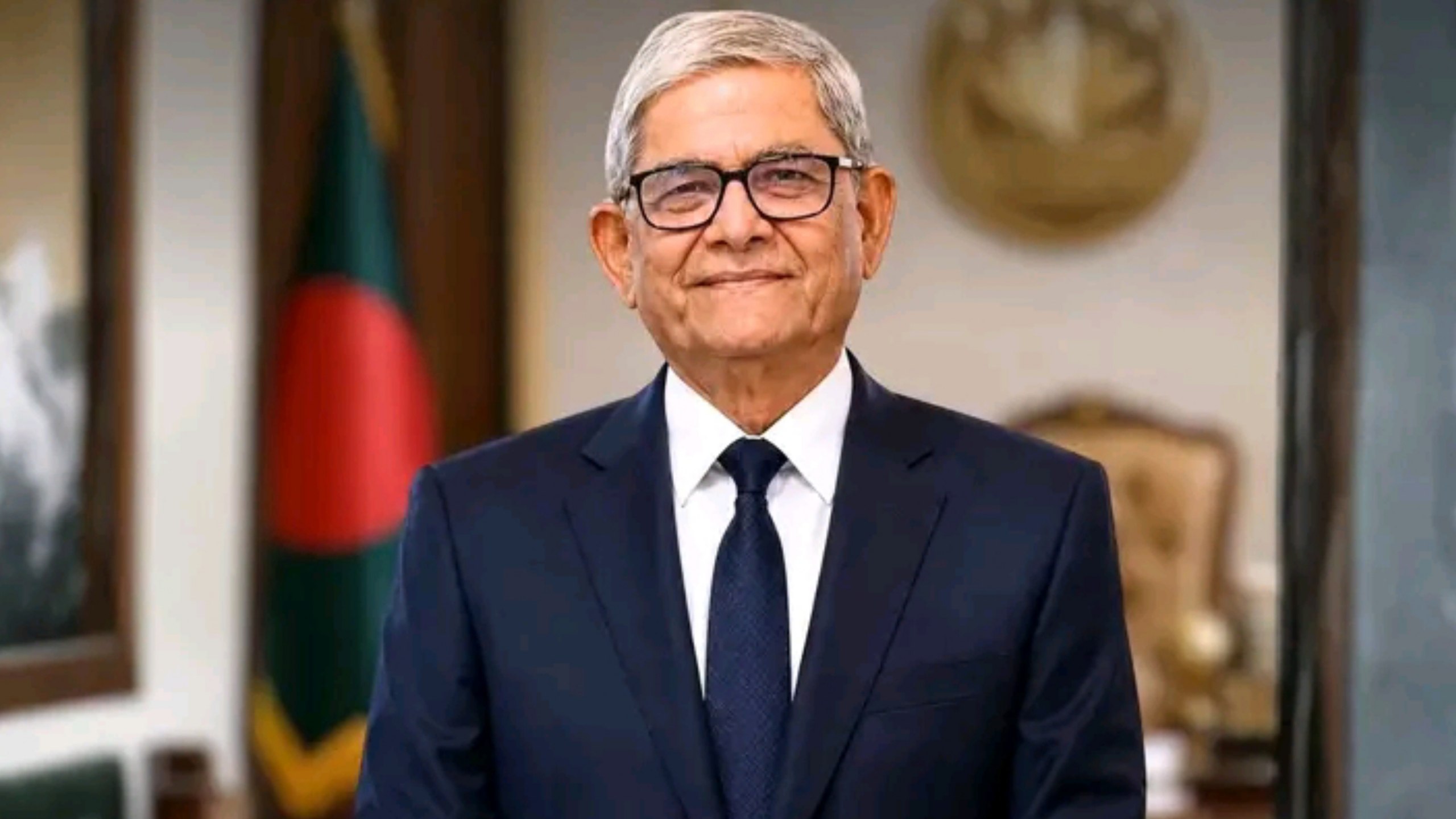
Bangladesh has a new president, and for the first time in 35 years, the country actually had to hold a real vote to get one. Mirza Fakhrul Islam Alamgir, longtime leader of the Bangladesh Nationalist Party, was elected the country’s 23rd President on August 20, defeating retired army colonel Oli Ahmad in a parliamentary ballot that ended more than three decades of uncontested presidential races.
How the Vote Played Out
Voting took place inside the National Parliament chamber, with lawmakers signing their names next to their chosen candidate before dropping the ballot into one of three boxes set up to keep the process moving.
Acting President Hafiz Uddin Ahmed cast the first vote, followed by Acting Speaker Kaiser Kamal, Prime Minister Tarique Rahman, and the rest of the house. Out of 349 eligible lawmakers, six did not vote. When the count was announced by Chief Election Commissioner AMM Nasir Uddin, Fakhrul had secured 255 votes to Oli Ahmad’s 88, out of 343 valid ballots cast.
Who Ran Against Him
Oli Ahmad, 85, was the nominee of the Jamaat-led 11-party opposition alliance. He is a decorated veteran of the 1971 Liberation War, a former six-time member of parliament, and founder of the Liberal Democratic Party. He once served as communications minister under former Prime Minister Khaleda Zia and had been close to former President Ziaur Rahman.
His candidacy was notable given that Jamaat, his main backer in this race, had opposed Bangladesh’s independence in 1971, while Ahmad himself fought in the war. Even with slim odds against a sitting BNP-aligned parliament, the opposition alliance said his nomination ensured the presidency would be decided by an actual vote rather than handed over unopposed.
Why This Election Happened Now
The vote was triggered by the resignation of Mohammed Shahabuddin, a close aide of deposed former Prime Minister Sheikh Hasina, who stepped down last month on health grounds before finishing his five-year term.
Under Bangladesh’s constitution, the president is chosen by members of parliament rather than by direct public vote, and in recent decades that process had almost always ended in consensus rather than competition. The last time the office was genuinely contested was back on October 8, 1991, when BNP’s Abdur Rahman Biswas defeated Awami League’s Badrul Haider Chowdhury.
What the President Actually Does
Bangladesh’s presidency is largely ceremonial under the country’s parliamentary system, but the office is not powerless. The constitution gives the president certain responsibilities, including appointing the prime minister, and the role carries symbolic weight as head of state. Fakhrul spent close to 15 years as BNP’s secretary general, taking over the post formally in 2016 after serving in an acting capacity since 2011.
Mirza Fakrul led the party through difficult years, including periods when its then chairperson Khaleda Zia was imprisoned, and Tarique Rahman was living abroad.
Discover More Stories Worth Your Time
See Which Foods Ease Seasonal Changes?
Explore five comforting foods that can help you feel your best.
Explore Why Wages Stay Frozen?
Discover how stagnant minimum wages are affecting Bangladesh’s garment workers and families.
Check How Conflict Hurts Jobs?
Explore why Middle East tensions could threaten Bangladesh’s jobs and poverty gains.
Learn How To Spot H1N1?
Discover H1N1 symptoms, prevention tips, and essential facts for Bangladesh.
Find Which Netflix Picks Worth Watching?
Discover binge-worthy Netflix choices for a relaxing weekend at home.
The Reaction Inside Parliament
After the result was announced, Prime Minister Tarique Rahman congratulated Alamgir as lawmakers thumped their desks in approval.
Opposition Leader Shafiqur Rahman embraced the president-elect, and other BNP lawmakers came forward to shake his hand. Fakhrul is scheduled to take the oath of office as Bangladesh’s 23rd President on Friday evening at the Darbar Hall of Bangabhaban, the presidential residence in Dhaka.
Why This Matters
A contested presidential vote might sound like a small procedural detail, but in Bangladesh it signals something bigger. For over three decades, the post had been filled through backroom consensus rather than an open count of hands in parliament.
Having two real candidates, an actual campaign, and a public tally puts a spotlight on how the country’s politics have shifted since Sheikh Hasina’s government fell. Whether this becomes a one-time exception or the start of a more competitive norm for the presidency is something only future elections will answer.
FAQ
Who is Bangladesh’s new president?
Mirza Fakhrul Islam Alamgir of the BNP, elected on August 20, 2026, as the country’s 23rd President.
Why was this election considered historic?
It was the first contested presidential vote in Bangladesh since 1991, ending 35 years of uncontested elections for the post.
Who did Mirza Fakhrul defeat?
Retired Colonel Oli Ahmad, the nominee of the Jamaat-led 11-party opposition alliance, who received 88 votes to Fakhrul’s 255.
Summary: BNP’s Mirza Fakhrul Islam Alamgir won Bangladesh’s presidential election with 255 of 343 votes, defeating Jamaat-backed candidate Oli Ahmad. It was the first time in 35 years that lawmakers actually had to choose between two names for the post.