
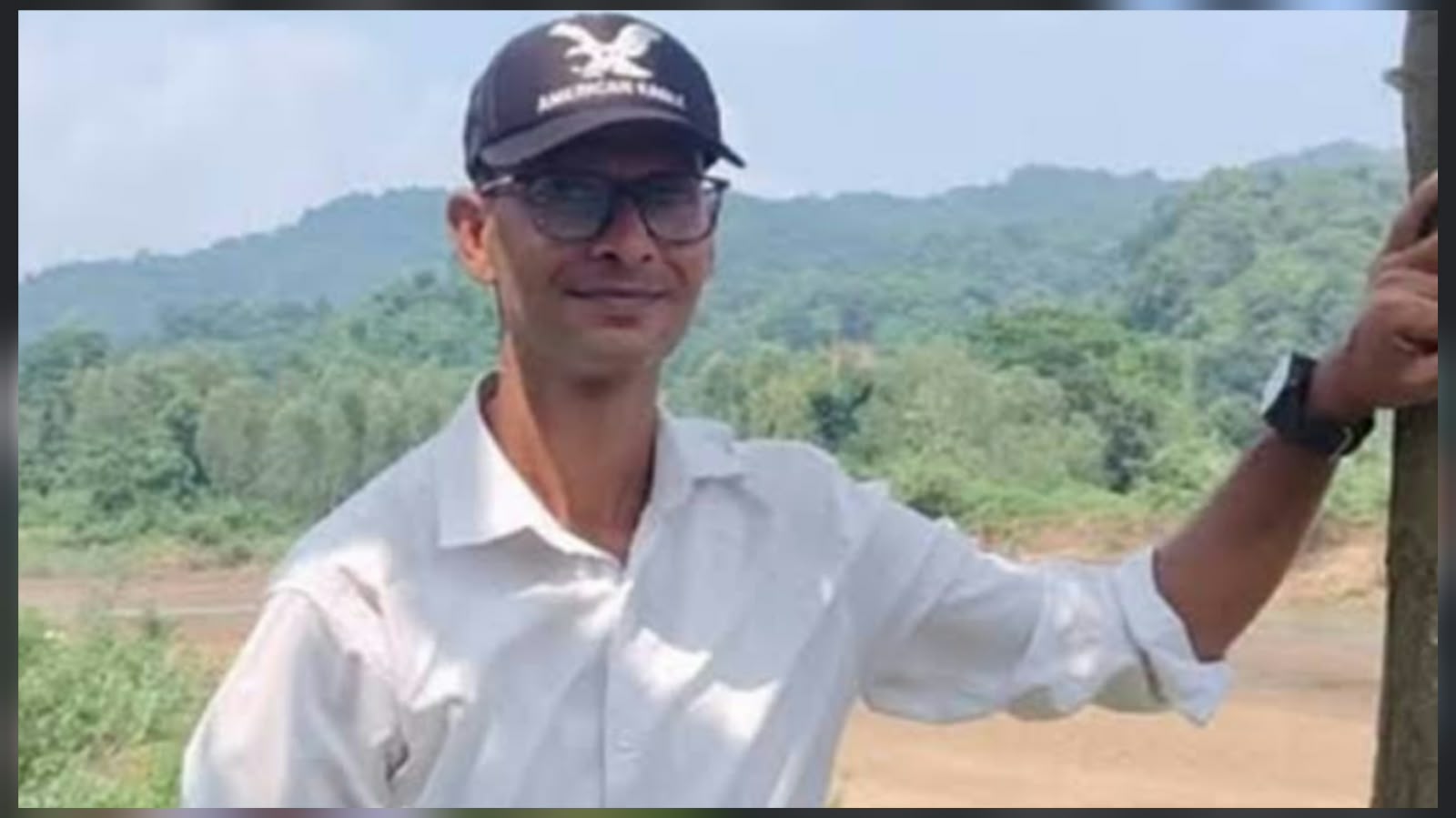
A journalist was shot dead by unidentified assailants while sitting at a shop in Netrokona’s Durgapur upazila on Thursday night. The victim was Lutfuzzaman Alif Fakir, the Netrokona correspondent for the private Internet Protocol Television (IPTV) channel Ruposhi Bangla.
How the Attack Unfolded
The shooting took place around 8:15 pm at Uttarail Bazar on the Shyamganj-Birishiri Road. Eyewitnesses and police said two men arrived on a motorcycle, fired several shots at Alif and fled. Locals rushed to the spot, but the attackers had already escaped. Alif was taken to Durgapur Upazila Health Complex, where doctors declared him dead.
What Police Have Said
Durgapur Police Station Officer-in-Charge (OC) Khandkar Shaker Ahmed Khan said five bullet wounds were found on Alif’s body, including his head, neck and chest. Police suspect the killing was planned and are conducting operations to arrest those involved. Netrokona Superintendent of Police Md Tariqul Islam went to the scene after hearing the news. So far, police have not identified suspects or a motive.
Who Was Alif Fakir?
Alif’s family home is in Sunai village of Pogla union in Kalmakanda upazila. Besides his work for Ruposhi Bangla, he ran a Facebook page called “Detective Article”, where he wrote about alleged irregularities and crimes.
An Earlier Attack
This was not the first time Alif was targeted. On 10 November last year, assailants with sharp weapons attacked and injured him near Teribazar Ghat on the Someshwari river. A colleague who tried to intervene was chased away at gunpoint. His death comes about 11 months after that attack.
Questions That Remain
Several questions are still open. Who were the two riders? Was the killing linked to Alif’s reporting or to his Facebook page? Was the earlier attack connected? Police say the investigation is under way, and journalists’ groups will likely press for a quick, transparent probe.
Discover Articles Worth Your Time
Want to understand the political events shaping Bangladesh and South Asia? Explore these related stories on leadership, accountability, youth movements, and the country’s political history.
1. Why is Sheikh Hasina’s proposed return to Bangladesh significant?
Sheikh Hasina’s proposed return raises questions about legal proceedings, political participation, and Bangladesh-India relations. Read more about the legal hurdles surrounding Sheikh Hasina’s December 2026 return plan.
2. What happened during Bangladesh’s July 2024 movement?
The student-led protests grew into a nationwide uprising and became a major turning point in Bangladesh’s political history. Explore the key events of Bangladesh’s July 2024 youth movement.
3. How are youth movements influencing South Asian politics?
Youth movements have brought issues such as education, employment, political representation, and government accountability into public debate. Learn more about the young faces behind India’s youth unrest.
4. Why does Ziaur Rahman’s assassination remain historically significant?
Ziaur Rahman’s assassination on May 30, 1981, was a major event in Bangladesh’s political history, with lasting implications for the country’s leadership and political development. Read about his assassination and its political legacy.
5. What role does India play in the debate over Sheikh Hasina’s accountability?
The issue involves questions of legal accountability, bilateral relations, and the responsibilities of both countries. Read more about Sheikh Hasina, India, and the question of accountability.