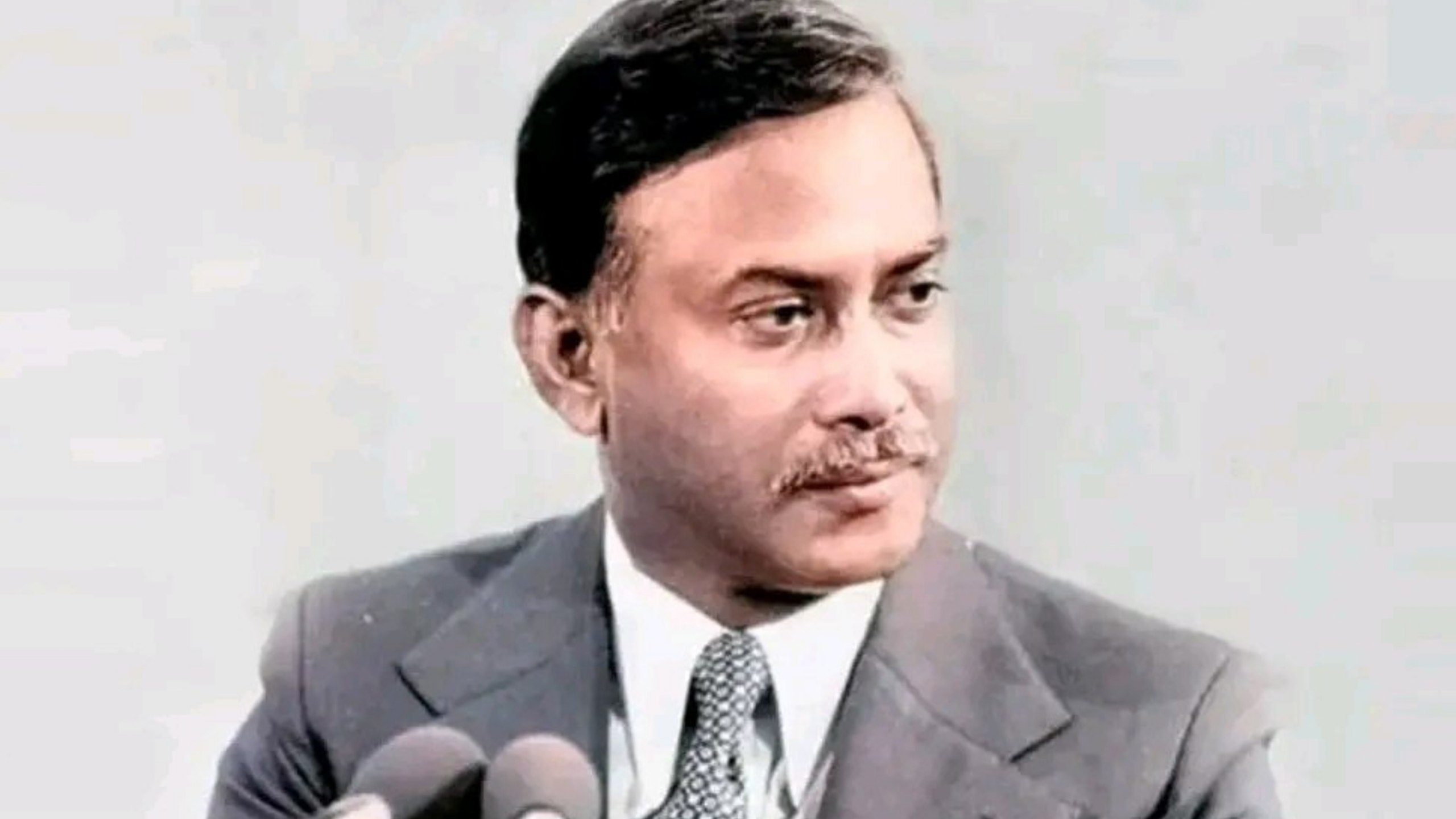
Chittagong, ending the life of Bangladesh’s president, Ziaur Rahman. More than four decades later, the events of that night remain one of the most consequential and, in parts, still debated chapters of Bangladeshi political history, one whose aftershocks continue to run through the country’s politics today.
A President Killed on Party Business
Zia had travelled to Chittagong the day before to mediate an internal dispute within the Bangladesh Nationalist Party, the political party he had founded after rising to prominence as a sector commander during the 1971 Liberation War and later as the country’s military ruler and then elected president. He was staying at the Circuit House, a routine stop on what had become frequent visits to the port city, partly tied to overseeing military operations against the Shanti Bahini insurgency in the Chittagong Hill Tracts.
At around four in the morning, a group of army officers and soldiers, reportedly numbering around sixteen officers, stormed the compound with automatic weapons, rocket launchers, and grenade-firing rifles. In the assault, Zia was killed along with several aides and guards, including a lieutenant colonel, a captain, and multiple enlisted soldiers. More than a dozen others were wounded. Eyewitness accounts, including from Chittagong’s then Deputy Commissioner Ziauddin M Chowdhury, describe army vehicles entering the compound while firing, with the first indications of the attack reaching officials by phone from staff near the scene.
The Man Behind the Coup
The uprising was led by Major General Mohammad Abdul Manzoor, a decorated freedom fighter who had once fought alongside Zia during the Liberation War. Accounts of the plot point to grievances among a faction of officers over what they viewed as social injustice, corruption, and political and economic decline under Zia’s rule, according to contemporaneous reporting by journalist Anthony Mascarenhas. One of the officers most directly implicated in the killing, Lieutenant Colonel Matiur Rahman, was reported to have personally shot Zia before being killed himself in a shootout with loyalist troops days later.
The coup, however, did not hold. Within days, forces loyal to the government moved against the plotters. Manzoor was captured and killed while attempting to flee, and several other officers involved were later tried and executed, including one, Major Mujibur Rahman, who was executed in September 1981 following a military tribunal.
An Unfinished Story
Despite the swift collapse of the plot and the trials that followed, significant questions about the assassination have never been fully settled in the public record. Historians and journalists marking the anniversary have continued to describe the full picture behind the coup as incomplete, noting that the precise chain of command, the scope of the conspiracy, and the extent of any wider involvement beyond the officers directly implicated remain points of dispute. Books written by officials who lived through the period, including Chowdhury’s own account of the killings, have added detail to the public understanding of events without resolving every open question.
Vice President Abdus Sattar, who was in hospital at the time, automatically assumed the role of acting president under the constitution. He later declared a state of emergency, pushed the scheduled election back from September to November, and moved to reassure the country that the political process would continue despite the shock of Zia’s death. Zia’s state funeral in Dhaka on June 2, 1981, drew a vast crowd, described at the time as among the largest funeral gatherings recorded anywhere.
Discover More Stories Worth Your Time
See How Microplastics Spread?
Discover why Bangladesh’s rivers, salt pans, and fish markets are raising concern.
Find Why Wetlands Face Threat?
Explore how invasive turtles are disrupting biodiversity in Dhaka’s waterways.
Learn Why Army Took Custody?
Discover the latest developments in the Brig Gen Miftah Uddin tribunal case.
Explore What Follows Shahabuddin’s Exit?
Discover how Bangladesh’s leadership could change after the president’s departure.
Check Why Assault Case Filed?
Explore the allegations involving actress Snigdha Chowdhury and the Ashiyan chairman.
A Legacy That Still Shapes Bangladeshi Politics
Zia’s death did not end his political imprint on the country. His widow, Khaleda Zia, went on to lead the BNP and serve as Bangladesh’s first woman prime minister across two terms, becoming one half of what later commentary would frame as a decades-long rivalry with the Awami League and its leader, Sheikh Hasina, a rivalry that shaped Bangladeshi politics for much of the following forty years. That rivalry produced its own turbulent chapters, including periods of imprisonment, mass uprisings, and shifting governments, before culminating in major political upheaval in the mid-2020s.
The Zia family’s political line has continued into the present day. His son, Tarique Rahman, took over leadership of the BNP and was sworn in as Bangladesh’s prime minister in 2026, extending a family legacy in national politics that stretches back to the war of independence. As recently as this year, disputes over how Zia and his family are represented in official materials, including a since-cancelled directive concerning books about Zia, Khaleda Zia, and Tarique Rahman in primary schools, have shown how contested and current his legacy remains.
Nearly forty-five years after the gunfire at the Chittagong Circuit House, the events of May 30, 1981 continue to occupy an unusual place in Bangladesh’s political memory: thoroughly documented in its broad strokes, yet still described by those who study it closely as a story without a fully written ending.
Summary: President Ziaur Rahman, founder of the Bangladesh Nationalist Party, was assassinated by army officers at the Chittagong Circuit House in the early hours of May 30, 1981. Led by Major General Mohammad Abdul Manzoor, a wartime comrade of Zia’s, the coup collapsed within days, and most of those implicated were killed or executed. More than four decades on, historians and journalists still describe parts of the episode as unresolved, even as Zia’s political legacy continues to shape Bangladesh through the BNP and his family.