
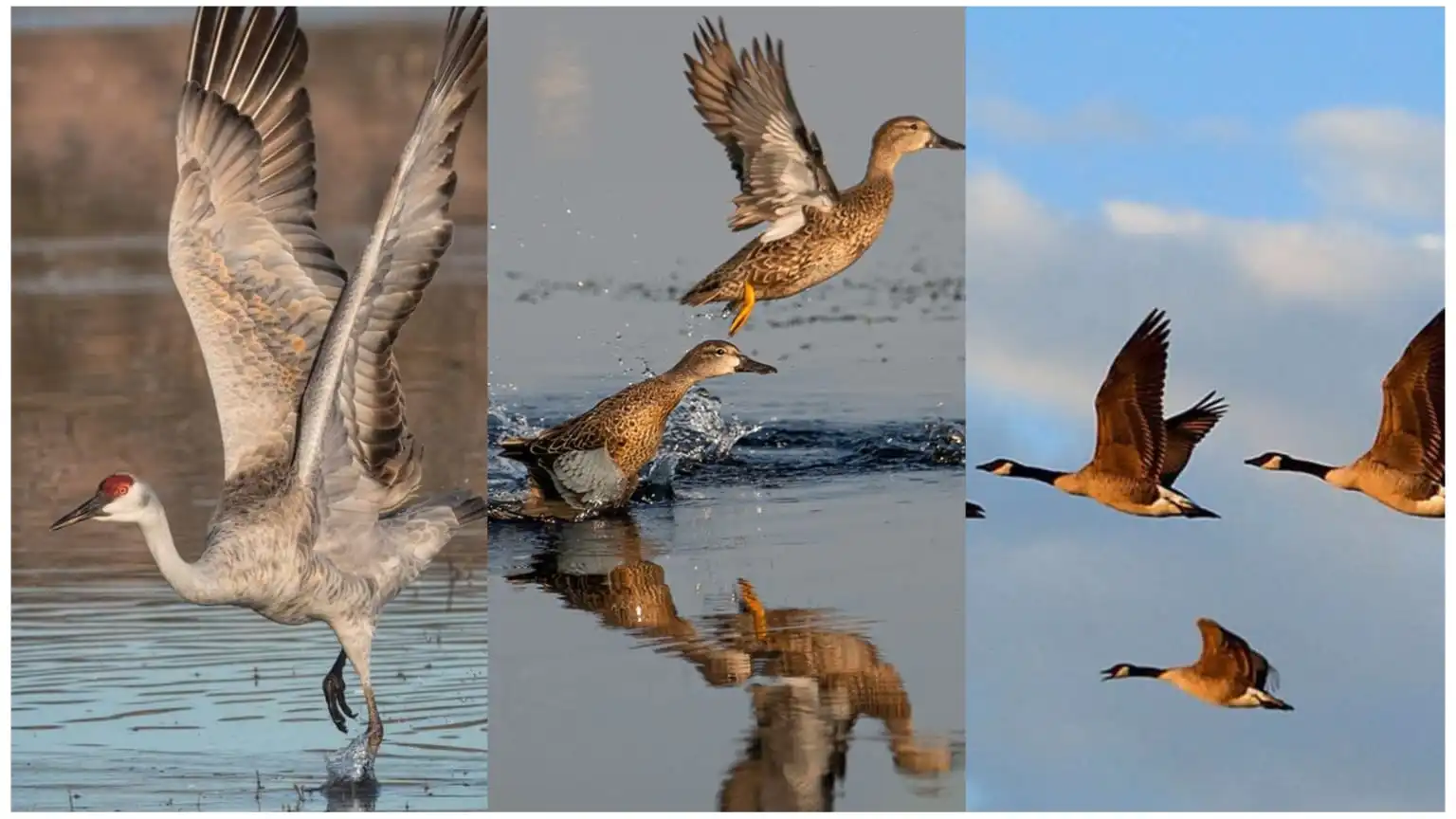
As the north wind turns cool, a quiet journey ends in the wetlands of northeastern Bangladesh. Ducks, geese, grebes and waders arrive after flying thousands of kilometres from colder lands. Bangladesh’s haors have long been a winter home for them. But there is an important twist to the title question: the haors are a natural paradise, yet that paradise is under growing pressure.
What Is a Haor?
A haor is a large bowl-shaped wetland in the northeast. Haors remain under water for at least six months every year. In the monsoon they spread like an inland sea. In winter the water falls and leaves shallow pools, or beels, where fish breed and birds rest.
Why Do Birds Come Here?
Several things come together to make haors attractive:
- A long journey with a safe stop: Researchers say migratory birds travel around 10,000 to 11,000 kilometres to reach Bangladesh, many from Central Asia and Siberia. They need wetlands like haors to survive the winter
- Shallow water and food: As the water recedes, fish, snails, plants and insects become easy to reach. Tanguar Haor alone has more than 140 species of freshwater fish
- Quiet, open space: Wide stretches of water and mudflats give flocks room to feed and rest
- Mild winters: Compared with their breeding grounds, winters here are gentle
Haors That Matter Most
Bangladesh’s birds gather at six main winter sites. Three are haors, Hakaluki, Tanguar and Hail, and three are coastal areas: Nijhum Dwip National Park, Sonadia Island and Ganguirar Char. Tanguar Haor in Sunamganj covers about 9,500 hectares and hosts around 43% of the country’s migratory birds, according to a report in Mongabay. It is a Ramsar site and about 200 species of migratory birds are reported there each winter.
The Paradise Is Shrinking
The good news about nature has a worrying side. A study of Tanguar Haor looked at 69 bird species, 41 of them migratory, and found a declining trend. In February 2026, Migratory birds had almost disappeared from Tanguar Haor, according to local people, and foreign tourists had stopped coming in winter for the last two years. Bangladesh Poribesh Andolon says numbers have fallen for years because of changing weather and poor monitoring.
Researchers point to several pressures:
- Cattle and ducks: A wildlife researcher with IUCN Bangladesh says more cattle and domestic ducks in winter leave less food and damage the mudflats
- Noise and boats: Engine noise keeps birds from resting
- Pollution: Plastic and dirty water harm the wetland
- Tourism pressure: Houseboat trips have grown popular, which can disturb birds if not controlled
- Climate change: Shifting weather affects water levels and bird timing
Signs of Hope
Local authorities banned motorised boats in the core and buffer zones of Tanguar Haor, a move residents said raised hopes for recovery. Experts also call for better monitoring, regulated grazing and stronger protection of key wetlands.
How to Visit Responsibly
- Travel in winter, when birds are present, with a small, quiet boat
- Keep your distance and use binoculars instead of getting close
- Do not feed birds or leave any plastic behind
- Follow rules in protected zones
A Paradise Worth Protecting
Haors give migratory birds what they need most: food, shallow water and quiet. If Bangladesh keeps them clean, calm and protected, the winter arrival of these guests can continue for generations.