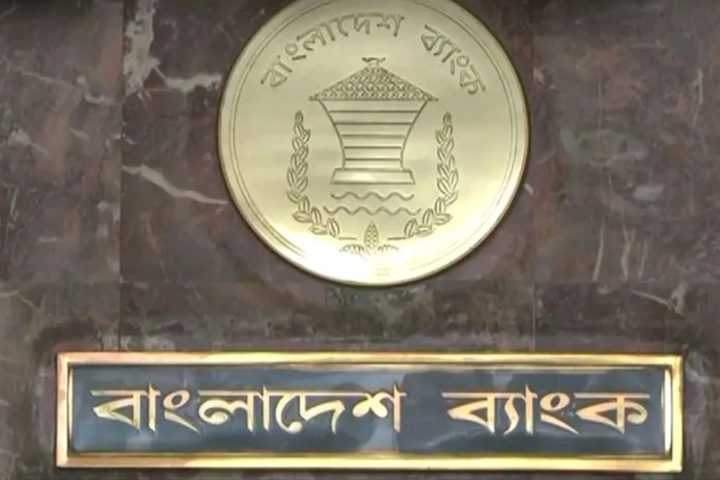
Bangladesh Bank has kept its policy rate unchanged at 10 per cent for the July-December period of the 2026-27 fiscal year. The decision comes within a monetary policy that has stayed unchanged since October 2024 as the central bank continues its fight against inflation that has stubbornly remained above its target. For the average borrower and saver, that means expensive loan rates and relatively attractive returns on deposits, at least for the next six months.
Why the Rate Won’t Change
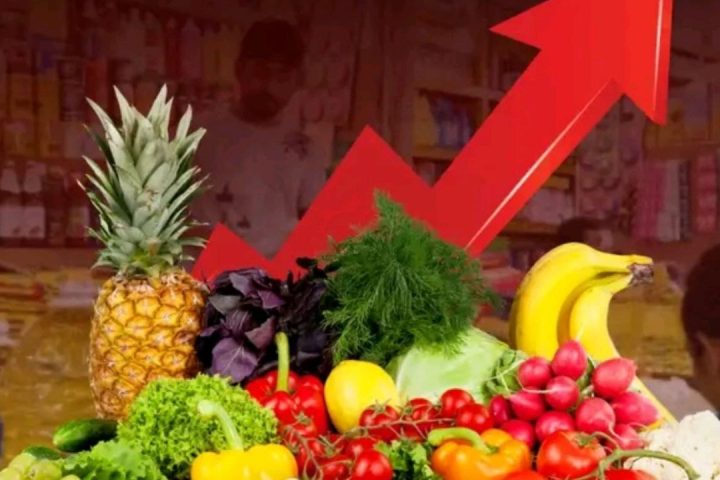
The policy rate or repo rate is the rate at which commercial banks borrow from the central bank, and it has been kept unchanged at 10 per cent since October 2024 after 11 consecutive hikes from May 2022 to October 2024. The central bank has succeeded in bringing down point-to-point headline inflation from 11.7 per cent in July 2024 to 9.42 per cent in May 2026. However, 12-month average inflation was 8.63 per cent in the month – still way above target.
Governor Ahsan H Mansur had been consistent on this point months ago. “So we won’t cut policy rate right now but will keep close monitoring”, he told earlier this year. The demand for government borrowing is high, forcing commercial banks to invest in government treasury bills and bonds instead of private sector lending, leading to historically low growth in private sector credit.
The Government’s Borrowing Troubles
Another common theme behind the rate freeze is the government’s own appetite for domestic borrowing, which crowds out private businesses. Economist Birupaksha Paul said private credit growth was 6.1 per cent in December 2025 and was expected to be 8.5 per cent by June 2026, while public-sector credit growth was expected to be 21.6 per cent – the main driver of sustained high inflation. This pressure is unlikely to ease in the near term given the heavy reliance on domestic bank borrowing for the deficit in the new FY2026-27 national budget.
Key highlights
- Policy rate: kept at 10 per cent for July-December FY2026-27
- No change since October 2024, after 11 consecutive hikes in 2022-2024
- Headline inflation was 9.42 per cent in May 2026, and the 12-month average was 8.63 percent
- The Standing Deposit Facility (SDF) was previously reduced to 7.5% to encourage banks to lend to the private sector.
- Current lending rates for ordinary borrowers are around 13-14%
How Does This Affect You
For now, nothing is changing for borrowers – home loans, car loans and business loans are still expensive, with effective lending rates still hovering at 13-14 per cent. If you were looking for cheaper EMIs, this freeze means the wait continues, at least till December end.
In fact, this is good news for savers. Fixed deposits and savings instruments tied to the high-rate environment still offer a relatively better return, compared to the last few years, as banks still need to garner deposits in a tight liquidity environment.
Banks still prefer to lend to safer government securities rather than to the private sector, so credit remains hard and expensive for small businesses and entrepreneurs. This is one reason why private investment and credit growth have been sluggish even as the post-election period was expected to bring a rebound.
Relevance to South Asia
For Bangladeshi households, the immediate impact is simple – don’t expect cheaper bank loans anytime soon, but savings instruments remain a reasonable place to park money. For Indian observers, Bangladesh’s long-drawn-out tight-money stance provides a reference point for the RBI’s rate trajectory, given that both economies are approaching the inflation-versus-growth trade-offs differently. For Pakistan, where the State Bank has been on its own path of gradual easing under IMF guidance, Bangladesh’s insistence on holding rates firm despite growth concerns illustrates a more cautious approach that Pakistani investors and policymakers may find instructive when judging how aggressively to ease their own rates.
Discover More Stories Worth Your Time
Lost Your TCB Family Card?
Learn how to apply online for a new Smart Digital Food Subsidy Card.
Who Is Dr Khalilur Rahman?
Discover five key facts about Bangladesh’s new UN General Assembly leader.
How Can You Monitor Your bKash Account?
Check your balance, recent transactions, and account alerts in minutes.
Is Your Family Eligible for Cash Assistance?
Find out who qualifies under the expanded Family Card Scheme.
Need an Emergency Loan After Flood Damage?
Learn how to apply using your Krishak Smart Card for financial support.
Gazing Forward
Inflation is still hovering around 8.6 per cent, well above the 7 per cent target, and government borrowing is projected to increase further under the newly passed Tk 9.38 trillion budget. It seems unlikely that there will be any rate cut before the inflation picture genuinely improves. The real test for Bangladesh Bank will come when it again reviews policy for the January-June 2027 period, where easing could finally be on the table if price pressures meaningfully recede.
FAQs
What is the present policy rate of Bangladesh Bank?
10 per cent, unchanged since October 2024.
Will your loan EMI be higher or lower?
Neither, for now, because the freeze means your current rate structure for your loan remains the same through at least December 2026.
Is it worth investing in fixed deposits these days?
With rates remaining high, deposit returns are still fairly attractive relative to recent years, but you should check out the current bank offers directly.
Summary:
Bangladesh Bank has maintained the policy rate at 10%, unchanged for the July-December 2026-27 period as it continues to battle inflation that is still around 8.6%. Here’s what the frozen rate means for borrowers, savers and average consumers.