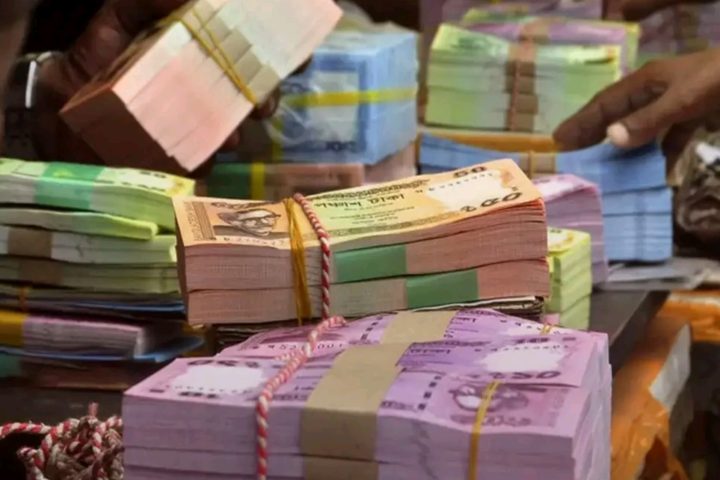
After a wait of over a decade, the government employees of Bangladesh are finally going to get a new pay scale. The ninth pay scale is expected to be implemented soon after the gazette notification, providing higher basic salaries to lakhs of civil servants, judiciary staff and armed forces personnel across the country. For families who rely on a government paycheck, the change could provide real relief from years of rising prices without a similar increase in salary.
What is the 9th Pay Scale?
National Pay Scale is the official Salary Scale for Government Jobs in Bangladesh. It was last revised in the Eighth Pay Scale in 2015. Since then, the price of rice, cooking oil, transport and rent have all gone up sharply while the basic pay has stayed the same. To fill this gap, the interim government constituted the Ninth National Pay Commission in mid-2025 with former finance secretary Zakir Ahmed Khan as its chairman. The commission recommended increases of 100 to 142 per cent. The minimum basic salary will be increased, and the maximum basic salary will also be substantially increased across 20 grades.
When will the notification come out in the Gazette?
The gazette is not yet published (as of early July 2026) but is close. The gazette notification is likely to be issued by the finance ministry in mid-July, after the implementation plan gets the nod from the prime minister. The government intends to roll out this in two phases, with 50% of the hike in the basic salary to be implemented in the fiscal year 2026-2027 and the rest of the 50% in the next fiscal year.
Who wins and by what margin?
The Ninth Pay Commission has recommended an increase of about 100 per cent or a bit less in the basic salaries of employees in the grades 1 to 10 whi, while the average increase in salaries was about 130 per cent for employees in the grades 11 to 20. That means the majority of the government’s workforce, the junior and mid-level staff, will see some of the largest percentage increases.
Important numbers to know:
•Minimum starting salary (Grade 20): Proposed increase from approx. Tk 8,250 to approx. Tk 20,000
•Basic salary (Grade 1) maximum: Proposed to be raised from around Tk 78,000 to Tk 1,60,000. In all, the government would incur an additional cost of over Tk 1 lakh crore a year.
•Some 14 lakh employees and 9 lakh pensioners are receiving Tk 1,31,000 crore annually in the form of salaries and pensions.
And what about Allowances and Pensioners?
The pay scale is more than a basic salary. Those receiving less than Tk 20,000 will get a 100 per cent raise in their pension, those receiving between Tk 20,000 and Tk 40,000 will get a 75 per cent raise, and those receiving more than Tk 40,000 will get a 55 per cent raise. The basic pay hike is likely to be followed by higher allowances i, including house rent and medical benefits.
Quick Checklist for Federal Employees
•Eighth Pay Scale – Know Your Current Grade and Basic Pay
•Kindly check the official gazette on the Ministry of Finance’s website (mof.gov.bd)
•Kindly confirm whether your current Dearness Allowance or Special Benefit will be merged into the new Basic Pay
Make sure your accounts office has the latest information on your bank or mobile financial service accounts such as bKash or Nagad linked accounts, as a lot of salary and pension payments are now being disbursed digitally.
Implementation may start with back payments from July, so check with your accounts office regarding arrears
Conclusion
The Ninth Pay Scale is not just a policy update for lakhs of households in Bangladesh. That’s the difference between merely staying ahead of rising costs and getting a paycheck that truly keeps pace with today’s prices. The good news is the direction is clear – higher basic pay, probably from July, in phases, and the exact date of the gazette is still pending. When the official notice is published, government employees should watch for it and see how it applies to their particular grade.
The bottom line is the ninth pay scale is on the way, so keep your documents and bank details ready to get your updated salary with no delay.
Frequently asked questions
Q1. Is the 9th Pay Scale implemented yet?
Still not, as of early July 2026. The final nod is awaited, and the gazette notification is expected by mid-July. Q2: Is the pay increase paid out as a lump sum payment?
Nope. The idea is to implement it in phases, with the first half of the basic pay hike in the first year and the rest and revised allowances in the next fiscal year.
Q3: Is this salary scale for private sector employees or banks?
Nope. The salary scale is for government employees, judicial staff, armed forces and teachers in the MPO list. Private sector wages are not directly covered, but Bangladesh Bank and other regulators may consider broader wage trends when making related policy decisions.
Summary
The Ninth National Pay Scale is expected to be gazetted by mid-July 2026, raising basic salaries for lakhs of government employees and pensioners. Here is what has been decided so far, when it may take effect, and how it could change household budgets.