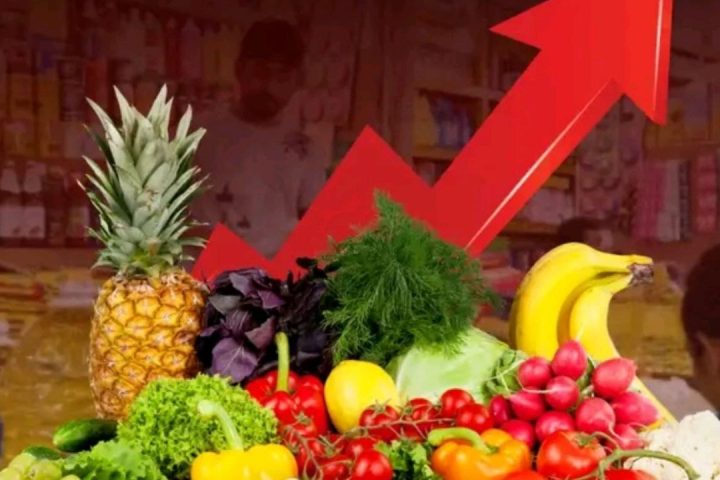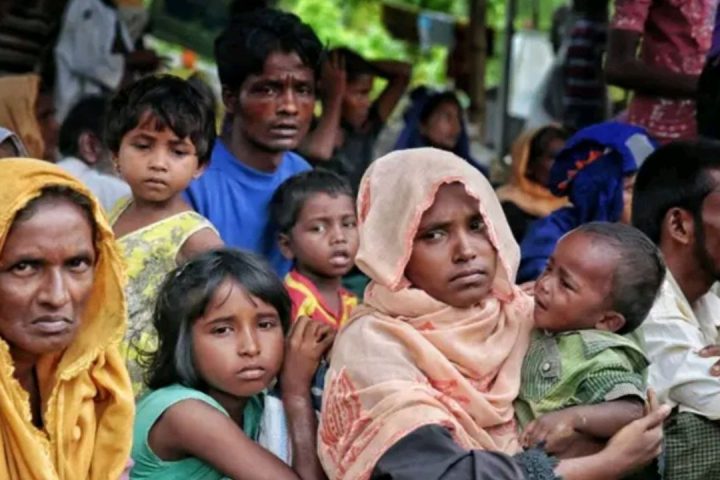
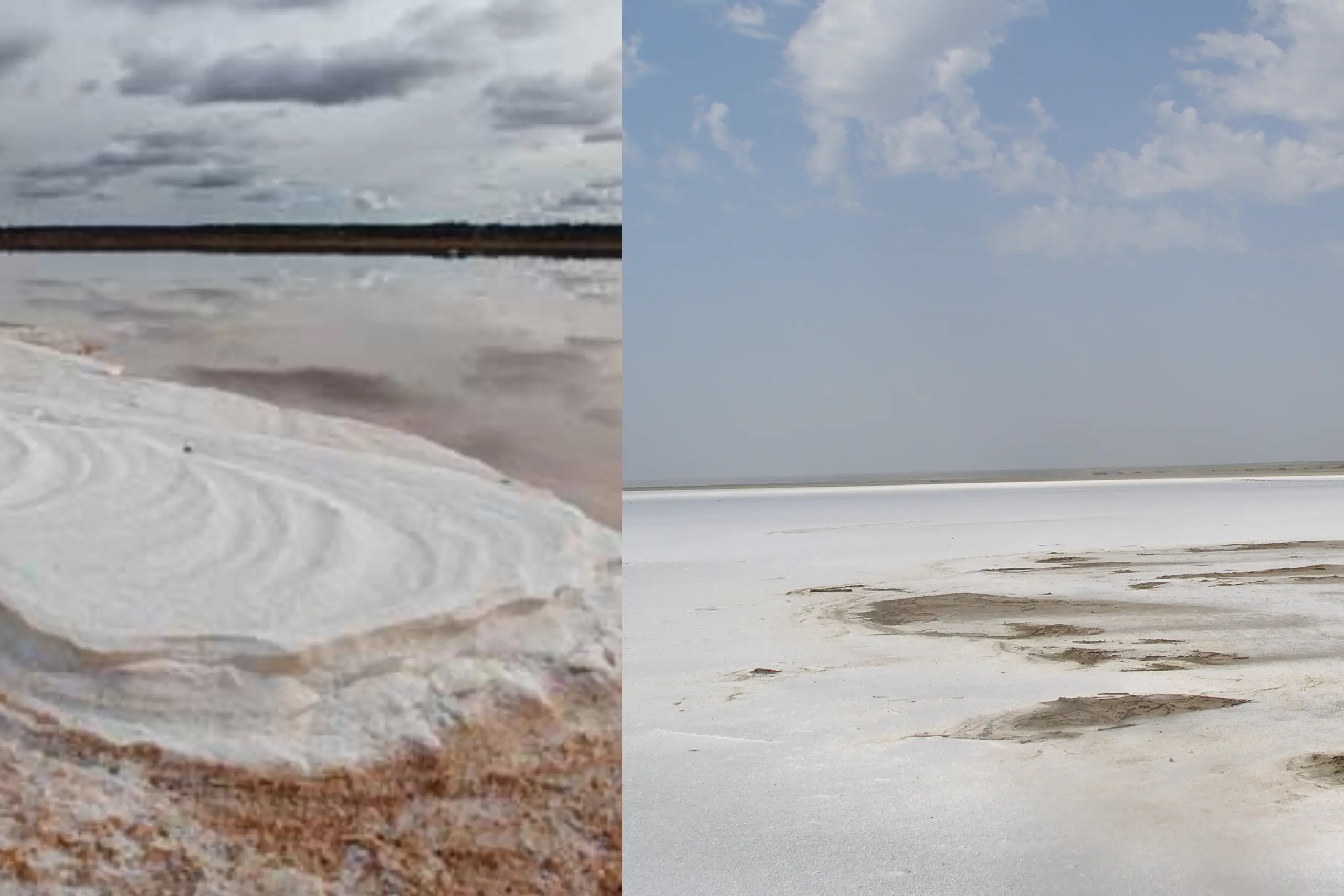
Bangladesh’s coastal belt is grappling with a problem that ought to be reducing its rice harvest, not increasing it. Saltwater intrusion is turning thousands of hectares of farmland ever more saline, a process accelerating with climate change, rising seas and less fresh water flowing in. But in many of the same coastal districts, rice output has been climbing, not crashing. The answer is decades of breeding and adapting that has quietly changed the way farmers grow the country’s staple crop.
Why Salinity Is an Increasing Threat
Coastal Bangladesh is experiencing salinization due to a combination of natural and anthropogenic factors including tidal inundation, reduced freshwater discharge from upstream rivers and long-term use of saline water for shrimp aquaculture. Without management, salinity can slash rice yields by 20 to 30 percent in affected areas, with the greatest damage occurring around the panicle emergence stage of the plant – the most vulnerable stage in the growing cycle to salt stress. Researchers say several subdistricts are expected to experience soil salinity levels above critical thresholds before 2050, leading to output losses of more than 15 percent if adaptation efforts are delayed.
Rice Breakthrough for Salt-Tolerant Rice
The counterweight to this threat has been the sustained investment in salt tolerant rice varieties developed for Bangladesh’s coastal conditions. Varieties like BRRI dhan47, BRRI dhan67 and Binadhan-10 were bred to withstand salinity levels that would wipe out traditional Boro season rice. The scale-up has been dramatic: the land used to grow BRRI-67 in Satkhira, one of the country’s most climate-vulnerable districts, expanded from a tiny 119 hectares in 2018 to more than 5,000 hectares within a few years, while Binadhan-10 more than doubled its cultivation area over a similar period. These salt-tolerant varieties can now tolerate twice the salinity levels of older cultivars, offering farmers a viable option to continue planting land that would otherwise be left fallow.
Farmer-level adaptation is equally important
The gains cannot be attributed solely to breeding. Field studies show farmers are mixing salt-tolerant seed with adjustments such as changing planting times to avoid the highest salinity windows, using fresh water to irrigate during the most vulnerable growth stages, and switching to saline water only once the crop is more resilient. In some southwestern districts, over three-quarters of surveyed farmers have adopted salt-tolerant cultivars in combination with freshwater irrigation strategies, a combination that researchers say is directly attributable to more stable yields even as background salinity worsens.
Why It Matters Beyond the Coast
Bangladesh’s coastal districts contribute about a quarter of the country’s rice production, so what happens in this belt affects national food security, not just local livelihoods. The benefits of salt-tolerant varieties help explain why the country has largely avoided the more severe production losses that unmanaged salinisation would otherwise cause. But researchers warn that the margin isn’t unlimited. In many coastal areas, traditional rice varieties are already close to their tolerance limits for salinity, and even the newer salt-tolerant varieties will eventually encounter limits that increasing salinity might challenge. Continued breeding progress, extension support and freshwater management will determine whether coastal Bangladesh can continue to outpace the salt line or whether current gains plateau as conditions intensify.
FAQs
Why is rice production rising in coastal Bangladesh where salinity is increasing?
The growing cultivation of salt-tolerant rice varieties, together with farmers’ adaptation measures, such as changing planting dates and targeted irrigation with freshwater, has helped to sustain or improve yields despite the increasing background salinity.
What are the rice varieties used to fight salinity in Bangladesh?
The popular salt-tolerant varieties are BRRI dhan47, BRRI dhan67 and Binadhan-10, developed to tolerate higher levels of salinity compared to the traditional Boro season rice.
Is salinity a permanent threat to coastal rice production in Bangladesh?
Indeed, salinity is expected to increase with climate change, and salt-tolerant varieties have so far been able to compensate for losses, but researchers warn even the newer cultivars have tolerance limits that may be tested as saline intrusion increases.

Summary
Saltwater intrusion is worsening across Bangladesh’s coastal belt due to climate change, yet rice production in these districts continues rising. Salt-tolerant varieties, farmer adaptation, and targeted irrigation are driving this counterintuitive agricultural success story.