
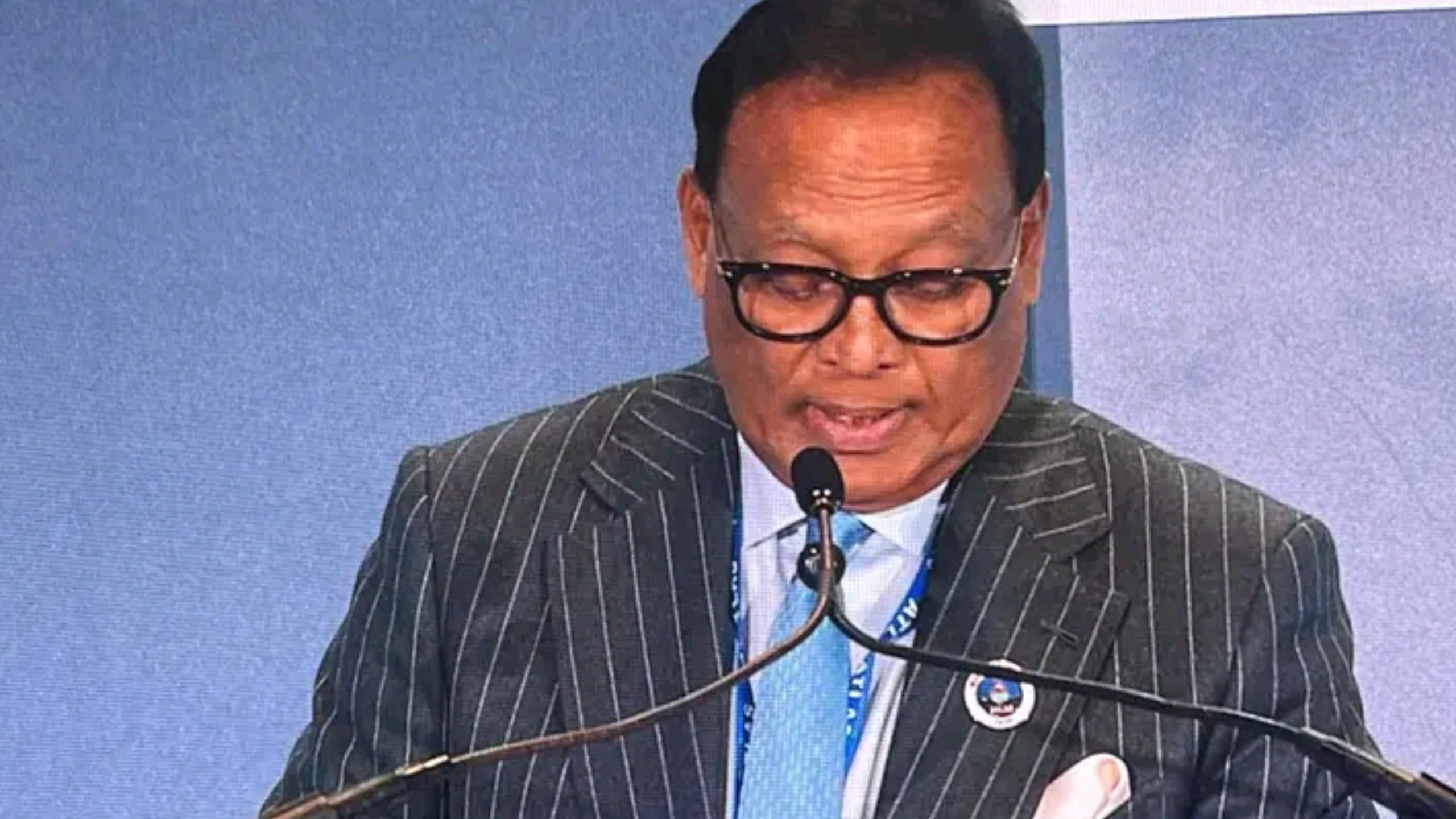
Science and Technology Minister Faqir Mahbub Anam, who also holds the Posts, Telecommunications and Information Technology portfolio, met with United States Secretary of Energy Chris Wright in Washington on August 26, 2026. According to a statement from Bangladesh’s ministry, Anam said the peaceful use of modern, safe nuclear technology could play an important role in meeting the country’s growing energy demand and ensuring long-term energy security.
He told Wright that Bangladesh is seriously considering the potential of advanced nuclear technologies, particularly Small Modular Reactors, as the country looks beyond its existing nuclear program.
Washington Signals Interest In Deeper Cooperation
Secretary Wright responded with what the Bangladeshi ministry described as a positive attitude toward cooperation in energy and nuclear technology. He pointed to the United States’ own push to develop and expand advanced nuclear technologies, noting that the US Department of Energy has made rapid deployment of next-generation reactors, especially SMRs, a priority.
The two sides discussed peaceful nuclear cooperation, SMR technology, the exchange of technical knowledge, and possible US assistance as Bangladesh builds out its energy sector. Both ministers expressed interest in deepening the existing relationship between their countries on energy matters going forward.
Part Of A Broader Diplomatic Push
The Washington meeting did not happen in isolation. It follows a visit to Dhaka in late July by US Special Envoy for South and Central Asia Sergio Gor, who raised a nuclear cooperation proposal directly with Foreign Minister Khalilur Rahman. Days later, Junior Foreign Minister Shama Obaed Islam signalled Dhaka’s openness to the idea.
“If any agreement with the US is beneficial for our bilateral relations and is in the interest of Bangladesh and its economy, we will proceed.”
That statement came even as Bangladesh continues to withhold ratification of a separate reciprocal trade deal signed with Washington under the country’s previous interim government, a sign that nuclear cooperation is being weighed on its own merits rather than folded into broader trade negotiations.
Why Bangladesh Is Looking Beyond Rooppur
The push toward Washington follows a strategic shift inside Bangladesh’s own nuclear planning. In July 2026, the country’s power and energy minister confirmed that Bangladesh will not build additional large nuclear reactors once the Russian-built Rooppur Nuclear Power Plant, a 2,400-megawatt project on the Padma River, comes online. Rooppur is expected to supply up to 15 per cent of the nation’s electricity by 2028 after years of delay, and its roughly 12.65 billion dollar price tag has made policymakers wary of repeating that model.
Instead, Bangladesh has been holding early talks with a range of potential SMR suppliers, including Rolls-Royce and Chinese manufacturers, alongside the newer overtures from Washington. Analysts have cautioned that Dhaka should first build up operational experience from Rooppur before committing heavily to SMRs, since the technology remains largely unproven at commercial scale worldwide. Domestic experts have also called for strengthening the Bangladesh Atomic Energy Commission’s technical capacity to serve as the country’s national support organisation for any future SMR program.
Discover More Stories Worth Your Time
Explore Why Colombia Declared Emergency?
Discover what the powerful earthquake means for Colombia and the latest emergency response.
Check Why Jaya’s Sarees Trend?
Discover why Jaya Ahsan’s elegant saree looks continue captivating fans online.
See Where Hasina’s Crisis Leads?
Explore the accountability debate surrounding Hasina, India, and Bangladesh’s political future.
Find Which Airport Hotels Fit?
Discover convenient hotels near Dhaka Airport for short layovers and overnight stays.
What Comes Next
No formal agreement on SMR technology has been signed between Bangladesh and the United States. The August 26 meeting in Washington adds to a pattern of exploratory talks rather than a concrete deal, with both sides describing the discussions in terms of mutual interest rather than binding commitments. Bangladesh’s power ministry is expected to issue a formal expression of interest for reactors in the 300 to 400 megawatt range later in 2026, a step that would offer the clearest signal yet of how seriously Dhaka intends to pursue the American option alongside its other SMR suitors.
Summary: Science and Technology Minister Faqir Mahbub Anam met US Energy Secretary Chris Wright in Washington on August 26, 2026, to discuss cooperation on Small Modular Reactors. The talks build on months of nuclear diplomacy between the two countries, as Bangladesh signals it will not build more large reactors after Rooppur and instead looks to SMRs from Western suppliers.