Long before Dhaka became a capital, a walled city stood on the banks of the Karatoya River in northern Bengal. Today we know it as Mahasthangarh, and it remains one of the most remarkable heritage sites in South Asia.
A City Older Than Most of Bengal’s Story
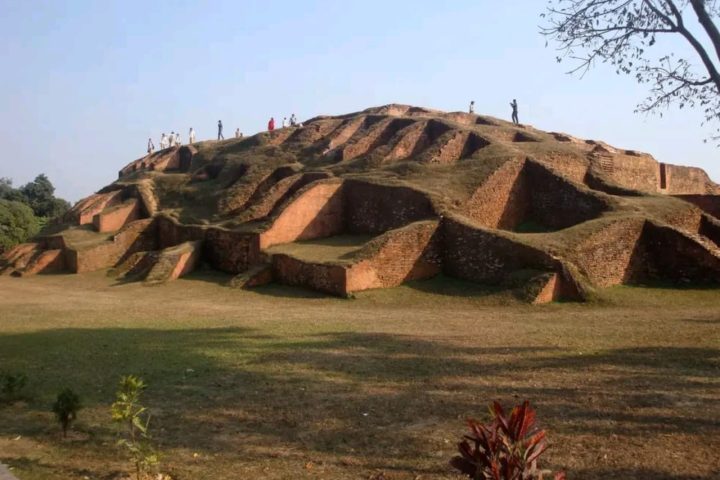
The earliest evidence here is a stone inscription in Brahmi script, found at the site, which scholars date to around the third century BCE, the Mauryan era. It points to Pundranagara as a significant administrative centre. The city later thrived under the Guptas, Palas and Senas, serving as a hub of trade, religion and learning for well over a thousand years. UNESCO added Mahasthangarh to its tentative World Heritage list, and it is protected by the Department of Archaeology.
What You Will See on the Site
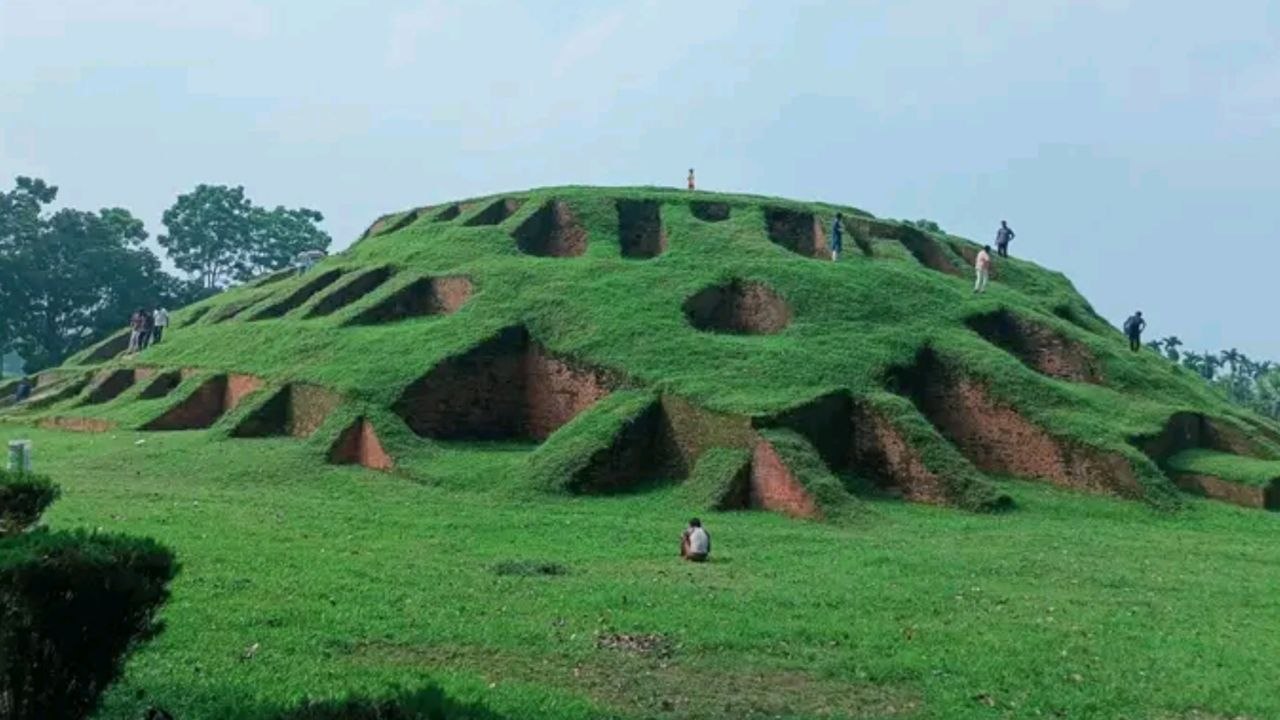
The fortified area is roughly rectangular, with high earthen ramparts still visible today. Inside, mounds and ruins mark old temples, monasteries and residential areas. The site museum displays terracotta plaques, coins, sculptures and pottery recovered during excavations. Nearby, Govinda Bhita temple, Khodar Pathar Bhita, Parasuram’s Palace and Mankalir Dhap each tell a different part of the story. The Bhasu Bihar Buddhist monastery, a few kilometres away, adds another layer.
A Place of Living Faith
Mahasthangarh is also tied to the Sufi saint Shah Sultan Balkhi, who is believed to have arrived in the eleventh century. His mazar on the site draws visitors throughout the year, and the Hindu festival Paush Narayani Snan is held beside the Karatoya as well. This mix of traditions is part of what makes the place feel alive rather than frozen in time.
Explore Herbs For Seasonal Changes?
Discover traditional herbs that may help you adjust to seasonal changes and support everyday wellness.
Discover Why Saad Lamjarred’s Sentence Increased?
Learn about the French court decision that increased the Arab pop star’s sentence to 10 years.
Explore 7 Autumn Traditions In Bangladesh?
Discover the festivals, customs, and cultural traditions that make autumn special across Bangladesh.
See Why Mariyam Returns To Italy?
Learn how Mariyam earned another international screening at Italy’s Religion Today Film Festival.
Discover 5 Heart-Friendly Recipes?
Explore five simple recipes using everyday ingredients that can fit into a heart-conscious diet.
How to Reach Mahasthangarh from Dhaka
Bogura is about 200 kilometres from Dhaka, and Mahasthangarh lies roughly 12 kilometres north of the town.
- By bus: Frequent AC and non-AC buses leave from Mohakhali, Gabtoli and Kallyanpur. The trip takes about five to six hours.
- By train: Intercity trains such as the Lalmoni Express and Sundarban Express serve Bogura station. Check current schedules before travelling.
- By air: Domestic flights to Saidpur are an option, followed by a road transfer of a few hours.
- Local transport: From Bogura town, take a CNG auto-rickshaw, rickshaw or private car to the site.
Visit between November and February for comfortable weather, and allow a full day.
Frequently Asked Questions
Where is Mahasthangarh located?
In Shibganj upazila, Bogura district, in northern Bangladesh, near the Karatoya River.
How old is Mahasthangarh?
The earliest evidence dates to roughly the third century BCE, making it the oldest known city site in the country.
What was its ancient name?
It was known as Pundranagara, the capital of the Pundra region.
Is there an entry fee?
A small ticket is usually charged, with a lower rate for local visitors. Confirm current prices at the gate.
What is the best time to visit?
Winter, from November to February, is the most pleasant season.
Is Mahasthangarh a UNESCO World Heritage Site?
It is on Bangladesh’s tentative list but has not yet been fully inscribed.