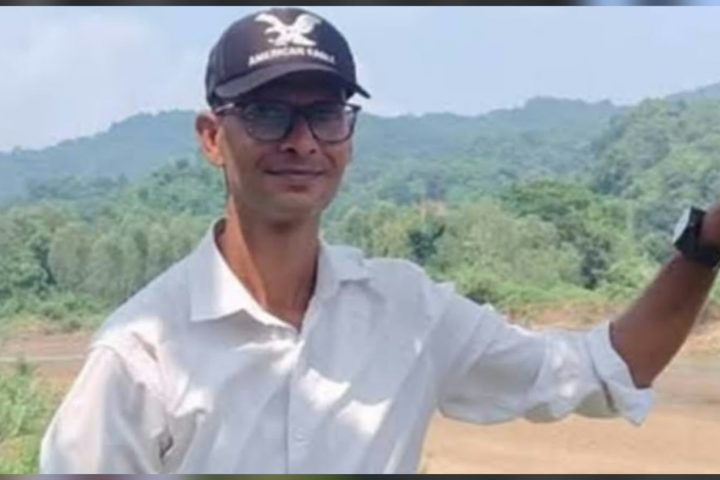

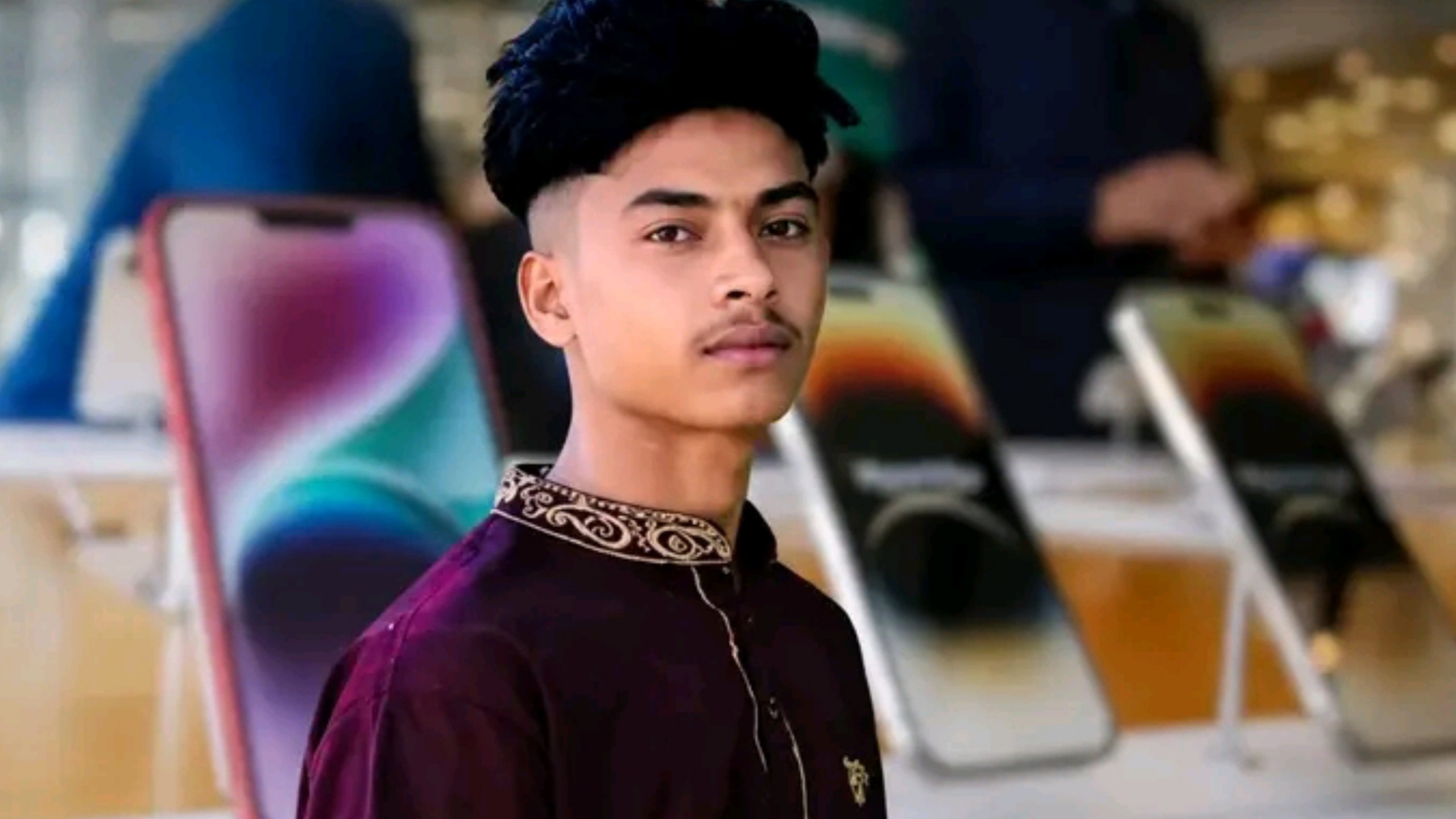
A carpenter from Patuakhali’s Dashmina upazila is accused of selling his one-and-a-half-year-old son for Tk1 lakh, using the money to buy an iPhone. The incident took place on Saturday morning in the Munshibari area of Boro Gopaldi village under Betagi-Sankipur Union, according to the child’s family.
The accused, Md Maruf, told his mother he was taking his son Musa to the market for a walk. When father and son did not return, the family grew worried and began searching the area before contacting relatives for help.
A Confession That Shocked the Family
Under questioning from relatives, Maruf initially denied knowing anything about his son’s whereabouts. He later admitted that he had handed Musa over to a man named Imran Hossain from a neighbouring village in exchange for Tk1 lakh, reportedly to fund the purchase of a new iPhone by trading in his old one.
The child’s grandmother said she had asked no questions when her son took the toddler out that morning, trusting it was an ordinary outing. She has since appealed to the local administration to help bring her grandson home.
Family Tensions in the Background
According to relatives, Maruf married a woman from Savar around four years ago, and the couple had been living with recurring disputes. About a month before the incident, his wife had left for her father’s house following a disagreement, and Maruf had spent time in Dhaka before returning home just a day before selling his son.
The man accused of buying the child, Imran Hossain, said Maruf had spoken about giving up his son for some time. Imran claimed the exchange was carried out through a written agreement, motivated in part by his father-in-law’s lack of a male heir among five daughters. He said the child had since been handed over to his father-in-law’s family.
Police Response and Community Reaction
Dashmina Police Station’s Officer-in-Charge said law enforcement is actively working to recover the child, with legal proceedings underway against those involved. Local residents have demanded the toddler’s swift return and called for strict legal action against everyone connected to the transaction.
The case has drawn widespread attention in Bangladesh, not for reflecting extreme poverty, but for how casually a child was treated as a bargaining chip in a personal dispute over money and a phone. It has reignited concern over how weak this kind of accountability can be at the community level until a story like this reaches the police and the press.
How Poverty Turns Into Desperation
Aid groups working in Bangladesh point to a familiar chain of events. A family loses its main income source. Debt piles up faster than it can be repaid. There is no safety net to catch them, no emergency fund, no government program that reaches them in time. Traffickers and middlemen know this, and they know exactly where to look.
Organisations working along the Bangladesh-India border, one of the busiest trafficking corridors in South Asia, have described how some families are talked into giving up children under the promise of a better life elsewhere.
Others are simply worn down by hunger until any offer, however small, feels like relief. The U.S. State Department’s Trafficking in Persons report has repeatedly flagged Bangladesh as a country where poverty, gender inequality, and weak enforcement combine to put children at serious risk.
Discover More Stories Worth Your Time
Explore Why Wages Stay Frozen?
Discover how stagnant minimum wages are affecting Bangladesh’s garment workers and families.
Check How Conflict Hurts Jobs?
Explore why Middle East tensions could threaten Bangladesh’s jobs and poverty gains.
Find Which Netflix Picks Worth Watching?
Discover binge-worthy Netflix choices for a relaxing weekend at home.
See Which Foods Ease Seasonal Changes?
Explore five comforting foods that can help you feel your best.
Learn How To Spot H1N1?
Discover H1N1 symptoms, prevention tips, and essential facts for Bangladesh.
The Hidden Scale of the Problem
The numbers are difficult to pin down precisely, since so much of this happens outside any formal record. But estimates from international organisations suggest tens of thousands of children in Bangladesh are trafficked or exploited each year, with girls from poor and marginalised communities facing the highest risk.
Dhaka’s slum areas, home to millions of the country’s poorest residents, are frequently cited as hotspots where traffickers actively recruit.
Natural disasters make the problem worse. Families displaced by floods or cyclones often end up in temporary settlements with no income and no support system, conditions that traffickers are known to exploit within days.
A Crisis That Starts at Home
Stories like a child being given away for the price of a phone are shocking precisely because they force a question most people would rather avoid: what happens to a family when they have nothing left to lose?
Until Bangladesh closes the gap between its economic growth and the reality for its poorest households, these choices, however unthinkable, will keep happening in the shadows.
FAQ
Why do some families in Bangladesh give away their children?
Extreme poverty, unpayable debt, and the absence of any social safety net push some families toward decisions driven purely by survival.
Is child trafficking common in Bangladesh?
International reports estimate tens of thousands of children are trafficked or exploited in Bangladesh each year, with poor and marginalised communities most affected.
What is the government doing about it?
Bangladesh has introduced a national anti-trafficking plan, increased labour inspections, and strengthened police units, though enforcement gaps remain, especially in border regions and export zones.
A carpenter from Patuakhali’s Dashmina upazila is accused of selling his one-and-a-half-year-old son for Tk1 lakh, using the money to buy an iPhone. The incident took place on Saturday morning in the Munshibari area of Boro Gopaldi village under Betagi-Sankipur Union, according to the child’s family.
The accused, Md Maruf, told his mother he was taking his son Musa to the market for a walk. When father and son did not return, the family grew worried and began searching the area before contacting relatives for help.
A Confession That Shocked the Family
Under questioning from relatives, Maruf initially denied knowing anything about his son’s whereabouts. He later admitted that he had handed Musa over to a man named Imran Hossain from a neighbouring village in exchange for Tk1 lakh, reportedly to fund the purchase of a new iPhone by trading in his old one.
The child’s grandmother said she had asked no questions when her son took the toddler out that morning, trusting it was an ordinary outing. She has since appealed to the local administration to help bring her grandson home.
Family Tensions in the Background
According to relatives, Maruf married a woman from Savar around four years ago, and the couple had been living with recurring disputes. About a month before the incident, his wife had left for her father’s house following a disagreement, and Maruf had spent time in Dhaka before returning home just a day before selling his son.
The man accused of buying the child, Imran Hossain, said Maruf had spoken about giving up his son for some time. Imran claimed the exchange was carried out through a written agreement, motivated in part by his father-in-law’s lack of a male heir among five daughters. He said the child had since been handed over to his father-in-law’s family.
Police Response and Community Reaction
Dashmina Police Station’s Officer-in-Charge said law enforcement is actively working to recover the child, with legal proceedings underway against those involved. Local residents have demanded the toddler’s swift return and called for strict legal action against everyone connected to the transaction.
The case has drawn widespread attention in Bangladesh, not for reflecting extreme poverty, but for how casually a child was treated as a bargaining chip in a personal dispute over money and a phone. It has reignited concern over how weak this kind of accountability can be at the community level until a story like this reaches the police and the press.
How Poverty Turns Into Desperation
Aid groups working in Bangladesh point to a familiar chain of events. A family loses its main income source. Debt piles up faster than it can be repaid. There is no safety net to catch them, no emergency fund, no government program that reaches them in time. Traffickers and middlemen know this, and they know exactly where to look.
Organisations working along the Bangladesh-India border, one of the busiest trafficking corridors in South Asia, have described how some families are talked into giving up children under the promise of a better life elsewhere.
Others are simply worn down by hunger until any offer, however small, feels like relief. The U.S. State Department’s Trafficking in Persons report has repeatedly flagged Bangladesh as a country where poverty, gender inequality, and weak enforcement combine to put children at serious risk.
The Hidden Scale of the Problem
The numbers are difficult to pin down precisely, since so much of this happens outside any formal record. But estimates from international organisations suggest tens of thousands of children in Bangladesh are trafficked or exploited each year, with girls from poor and marginalised communities facing the highest risk.
Dhaka’s slum areas, home to millions of the country’s poorest residents, are frequently cited as hotspots where traffickers actively recruit.
Natural disasters make the problem worse. Families displaced by floods or cyclones often end up in temporary settlements with no income and no support system, conditions that traffickers are known to exploit within days.
A Crisis That Starts at Home
Stories like a child being given away for the price of a phone are shocking precisely because they force a question most people would rather avoid: what happens to a family when they have nothing left to lose?
Until Bangladesh closes the gap between its economic growth and the reality for its poorest households, these choices, however unthinkable, will keep happening in the shadows.
FAQ
Why do some families in Bangladesh give away their children?
Extreme poverty, unpayable debt, and the absence of any social safety net push some families toward decisions driven purely by survival.
Is child trafficking common in Bangladesh?
International reports estimate tens of thousands of children are trafficked or exploited in Bangladesh each year, with poor and marginalised communities most affected.
What is the government doing about it?
Bangladesh has introduced a national anti-trafficking plan, increased labour inspections, and strengthened police units, though enforcement gaps remain, especially in border regions and export zones.
Summary: Extreme poverty is pushing some Bangladeshi families into unthinkable choices, including giving away infants for cash or goods. This piece examines the economic roots, the traffickers who exploit desperation, and what is being done to stop it.