Bangladesh’s National Parliament passed the country’s largest-ever national budget — Tk 9.38 trillion (roughly $78 billion) — today, June 30, through a final voice vote. This is the first full budget presented by the new BNP-led government, and it brings sweeping changes to import duties, VAT, and supplementary taxes that will directly affect what ordinary households pay at the shop counter starting tomorrow, July 1.
The budget, presented by Finance Minister Amir Khosru Mahmud Chowdhury, is 19 per cent larger than the original Tk 7.90 lakh crore budget for the current fiscal year, and it arrives at a difficult moment — a roughly Tk 2.43 trillion gap between the nation’s ambitions and the realities of its purse, with much of that deficit to be covered through domestic and foreign borrowing.
What’s Driving the Budget
The fiscal deficit is projected at approximately Tk 2.43 lakh crore, to be financed through domestic bank borrowing and external creditors, with an IMF programme still under negotiation. Development spending will rise to 33.7 per cent of the total budget for FY27, up from 27.27 per cent in the current fiscal year, while operating expenses will fall from 72.73 per cent to 66.3 per cent.
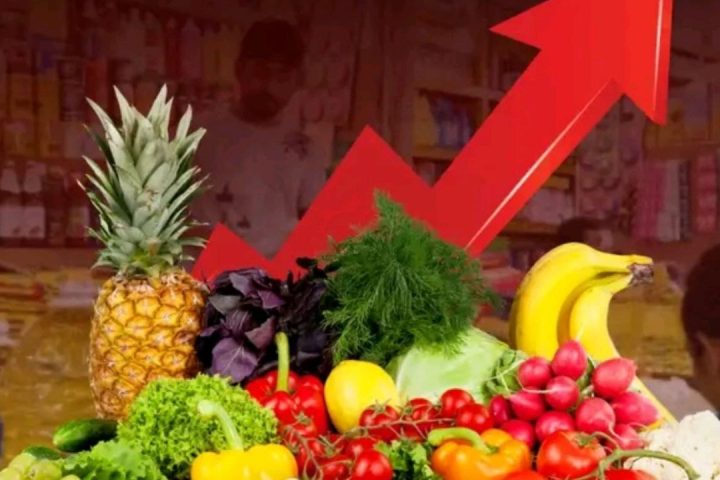
Daily Essentials That Will Get More Expensive
A number of supplementary duty and VAT changes mean higher prices on several everyday and household items from July 1:
- Cigarettes and tobacco products, nicotine pouches, and locally produced alcoholic beverages
- Tobacco taxes specifically, with minimum retail prices revised across lower, mid, high and premium cigarette tiers, and nicotine pouch duty rising from 300 per cent to 350 per cent
- Conventional fuel-powered vehicles, with import tax on 1,200cc–1,600cc petrol and diesel cars proposed to rise from around 132 per cent to roughly 156 per cent
- Imported washing machines, copper tubes, cold-rolled steel coils, small transformers, imported honey, coffee, cashew nuts, toys, tiles, toilets and basins, paints, mayonnaise, edible oils, potato chips, and leather products
- Steel rods, due to higher VAT on rod-production raw materials, and imported LPG cylinders, due to new VAT at the import stage
What Gets Cheaper
It isn’t all bad news for households. The government has proposed cutting advance tax to 0.5 per cent on essentials like onions, garlic, ginger, salt, sugar, edible oil, cattle, goats, poultry and fish. Customs duties and VAT on laptops, desktops, servers, printers and monitors are set to be withdrawn entirely, while mobile SIM cards, locally made phones, cancer medicines, and kidney dialysis equipment are also expected to get cheaper.
Key Highlights
- Budget size: Tk 9.38 trillion, a 19 per cent jump over the outgoing year
- Revenue target: Tk 6,95,000 crore against a projected fiscal deficit of around Tk 2.43 lakh crore
- Tax-free income threshold likely raised to ease pressure on salaried taxpayers
- New pay scale for government employees also takes effect July 1, adding to public spending
South Asia Relevance
For Bangladeshi households, the immediate impact will be felt in fuel-vehicle costs, tobacco prices, and select imported consumer goods, even as staple food items and tech products see relief. For India, a fiscally expansive neighbour running a large deficit is a data point investors and trade-watchers will track, especially given Bangladesh’s growing dependence on external borrowing. For Pakistan, currently navigating its own IMF-linked fiscal consolidation, Bangladesh’s approach — borrowing aggressively to fund growth rather than tightening further — offers a contrasting policy template worth watching as both economies negotiate with multilateral lenders.
Discover More Stories Worth Your Time
Looking for a Family Trip Before Eid?
Discover five budget-friendly weekend getaways near Dhaka for a relaxing holiday.
What Are the Top Eid Fashion Trends This Year?
Explore the latest outfit styles and fashion ideas to upgrade your Eid look.
Who Are Bangladesh’s Richest Cricketers?
See the top five stars, their estimated net worth, and successful business ventures.
Is Your Electricity Meter Overcharging You?
Learn the warning signs of a faulty meter and how to report billing issues.
How Can You Get the Tk 10 Lakh Student Loan?
Find out the eligibility, application process, and benefits of the government education loan scheme.
Looking Ahead
With the budget now passed and set to take effect July 1, the real test will be implementation. The National Board of Revenue has already missed its collection target by more than Tk 1 trillion this year, raising questions about whether next year’s ambitious Tk 6.95 trillion revenue goal is realistic — and whether ordinary citizens will see genuine relief or further price pressure as the fiscal year unfolds.
FAQs
Q: When does the new budget take effect?
A: July 1, 2026, the start of Bangladesh’s 2026-27 fiscal year.
Q: Will my grocery bill go up?
A: Most staple foods (onions, garlic, edible oil, sugar, fish, poultry) are getting tax relief, but select imported items like honey, coffee, and edible oils in import form may see higher prices.
Q: Are vehicle prices increasing?
A: Yes, particularly petrol and diesel cars in the 1,200cc–1,600cc range, as the government pushes incentives toward EVs instead.
Summary:
Parliament has passed Bangladesh’s largest-ever national budget — Tk 9.38 trillion for FY2026-27. While medicines, laptops, and farm inputs get cheaper, cigarettes, fuel-powered vehicles, and several imported goods will cost more starting July 1.