
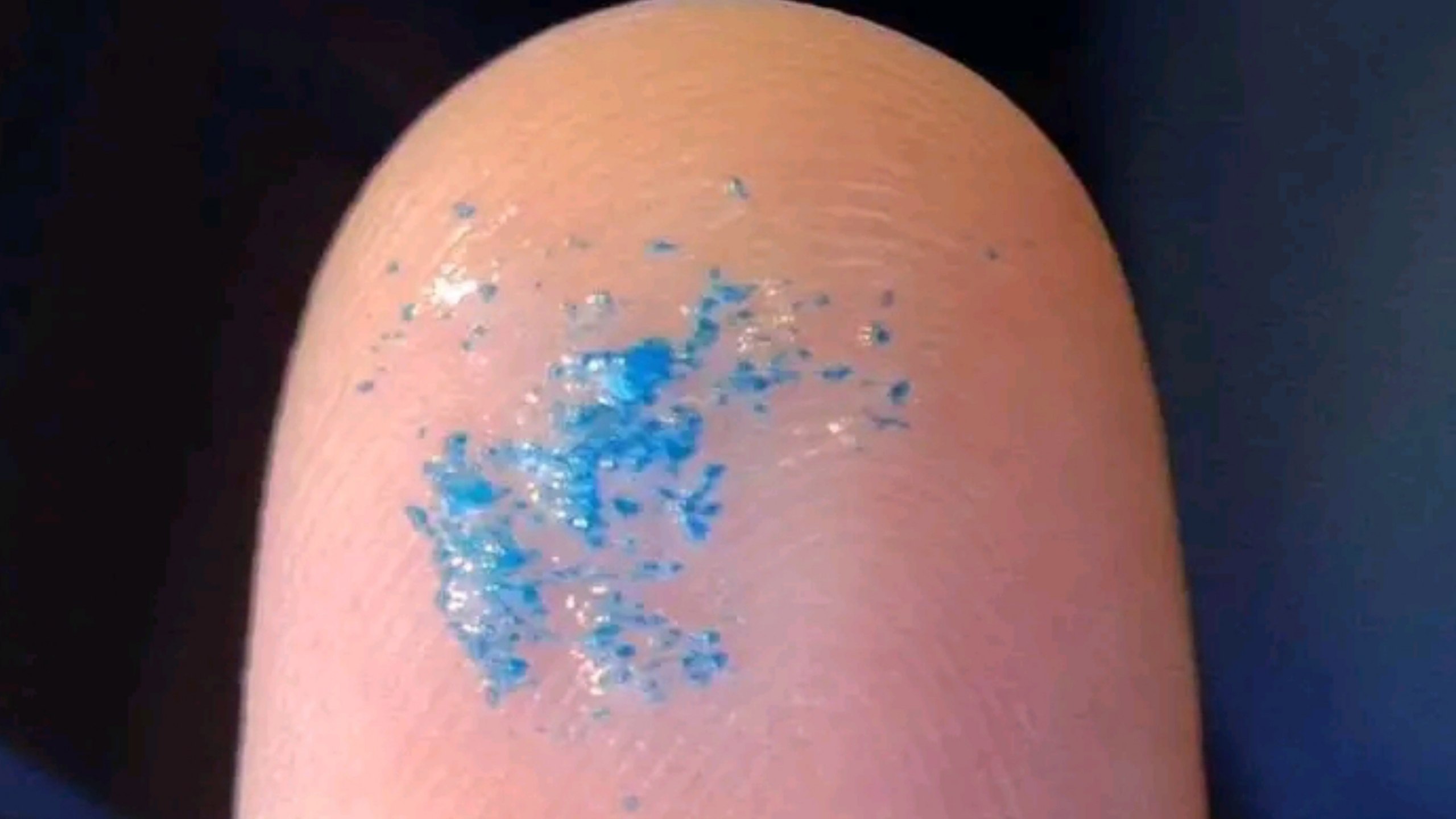
New concerns over aquatic ecosystems and food safety have been raised after a new scientific paper revealed a shocking degree of microplastic pollution in five native fish species from Arial Beel wetland in Bangladesh. All the fish species studied contained small plastic particles, with the climbing perch (Anabas testudineus) of all species studied showing the highest level of contamination, the researchers found. The findings are important as Arial Beel is one of the most important freshwater wetlands of Bangladesh and supports thousands of fishing families and provides food for the surrounding communities. Microplastics are spreading through rivers, lakes and wetlands and scientists warn the invisible pollution could have long-term consequences for both wildlife and humans.
Microplastics Found in Five Native Fish Species of Arial Beel
The study, published in the Journal of Hazardous Materials Advances, is the first detailed assessment of microplastic pollution in Arial Beel. Scientists took samples from five sites in different seasons and looked at water, sediment and five small native fish species. The study revealed that microplastics were present in the intestines, gills, and muscle tissues of every fish species tested. Of these, the climbing perch (Anabas testudineus), a popular edible fish in Bangladesh and adjacent countries, contained the highest concentration of plastic particles, ranging from 1 to 1.90 microplastic particles per fish in the seasons. Researchers also found that the sediment had much higher levels of microplastics than the surrounding water, leading them to suggest that the wetland floor acts as a reservoir for plastic pollution.
Where Are These Microplastics Coming From?
Microplastics are fragments of plastic smaller than five millimeters. These are generated as larger plastic debris breaks down or is emitted directly from everyday objects like synthetic clothing, packaging, fishing equipment and car tires. Fibers were found to be the most common type of microplastic, followed by fragments and foam particles. The dominant plastic polymers were polyethylene (PE), polypropylene (PP), and polystyrene (PS) materials widely used in plastic bags, food containers, packaging, and disposable products. Scientists believe that household waste, agricultural runoff, discarded fishing equipment, and poor plastic waste management are likely contributing to contamination in the wetland.
Why This Matters for People and Wildlife
Researchers found limited evidence that plastics were moving up the food chain through bioaccumulation, but said the levels of pollution were still a concern. Fish that have been exposed to microplastics can suffer from digestive problems, poor growth, reproductive issues and increased stress. The findings are equally worrying for people too. Scientists are still studying the long-term health effects of eating seafood containing microplastics, but there is growing evidence that the particles can transport harmful chemicals and pollutants into living organisms. Arial Beel supplies fish to local markets and so the environment has made reducing plastic pollution a priority along with public health.
Discover More Stories Worth Your Time
Looking for a Family Trip Before Eid?
Discover five budget-friendly weekend getaways near Dhaka for a relaxing holiday.
What Are the Top Eid Fashion Trends This Year?
Explore the latest outfit styles and fashion ideas to upgrade your Eid look.
Who Are Bangladesh’s Richest Cricketers?
See the top five stars, their estimated net worth, and successful business ventures.
Is Your Electricity Meter Overcharging You?
Learn the warning signs of a faulty meter and how to report billing issues.
How Can You Get the Tk 10 Lakh Student Loan?
Find out the eligibility, application process, and benefits of the government education loan scheme.
A Growing Global Concern
The Bangladesh findings mirror global research that shows microplastics have become ubiquitous in freshwater and marine environments. Similar studies have detected plastic particles in commercially important fish species throughout Asia and elsewhere, highlighting that plastic pollution is no longer restricted to oceans. Better waste management, less single-use plastic and regular monitoring of wetlands are vital to protect biodiversity and safe food supplies, environmental experts say.
FAQs
1. What are microplastics?
Microplastics are tiny plastic particles smaller than 5 millimeters that come from broken-down plastic products or are manufactured in microscopic sizes.
2. Which fish had the highest contamination?
The climbing perch (Anabas testudineus) showed the highest concentration of microplastics among the five fish species examined.
3. Is it safe to eat fish containing microplastics?
Scientists are still researching the long-term health effects. Current studies suggest more research is needed, but reducing plastic pollution remains essential.
4. Where do these microplastics come from?
They commonly originate from plastic packaging, fishing nets, synthetic clothing fibers, household waste, and degraded plastic products.