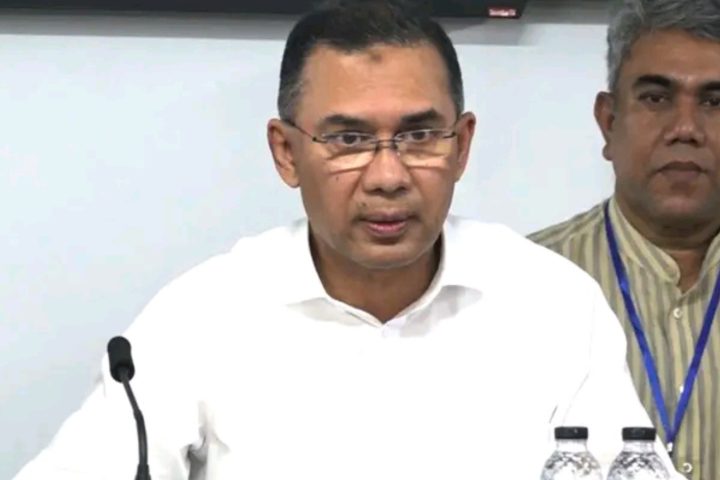
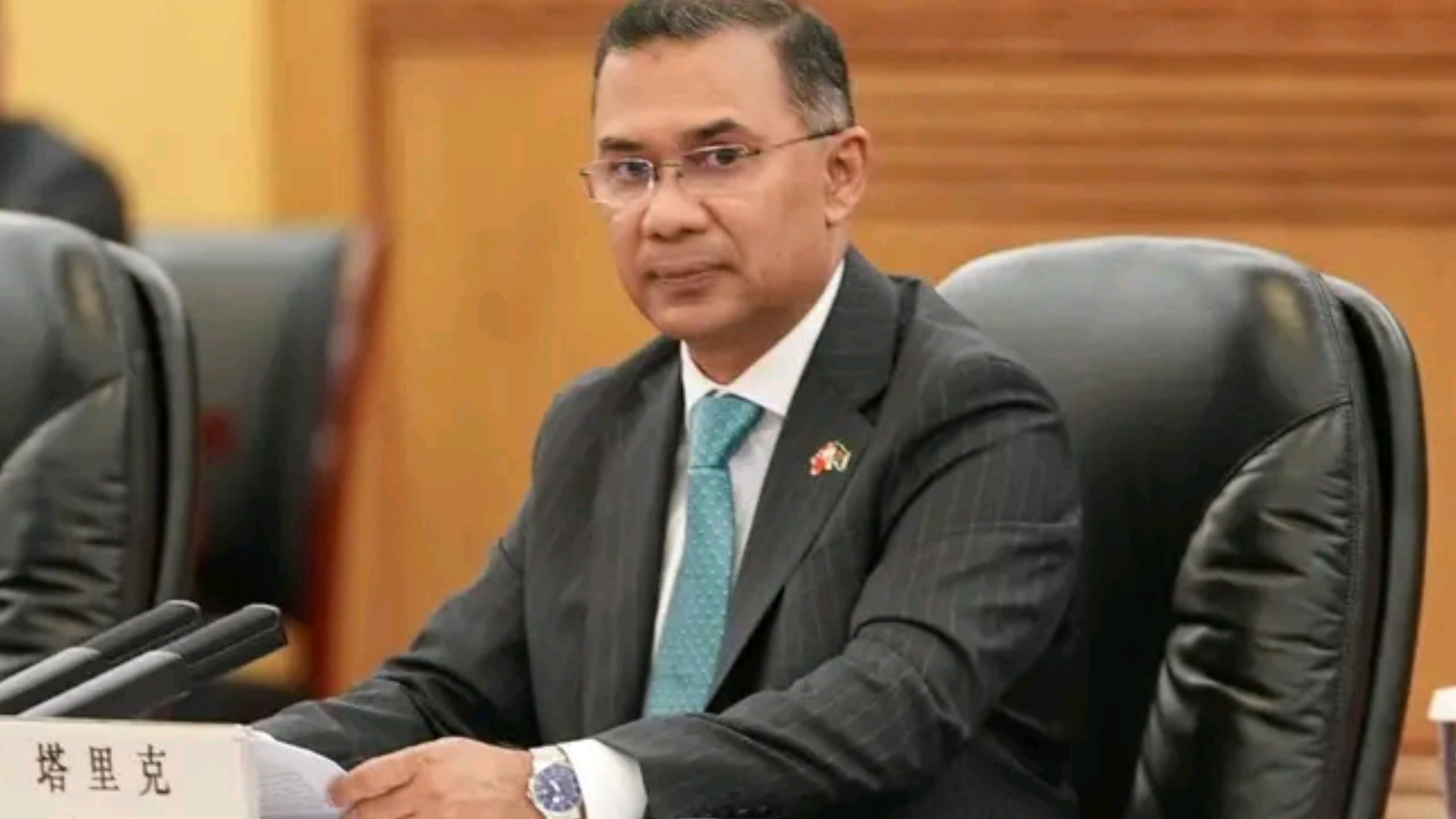
Prime Minister Tarique Rahman has issued a firm directive to government agencies, ordering swift and coordinated action to curb the worsening pollution crisis affecting rivers around Dhaka. Speaking at a high-level meeting on the Buriganga River’s water and environmental condition, held at the Cabinet Division conference room in the Bangladesh Secretariat, the Prime Minister made clear that his government has no tolerance left for environmental negligence.
Pollution Has Reached an “Unbearable” Stage
Addressing officials from across the environment, water and local government sectors, Tarique Rahman said river pollution in and around the capital has now crossed a threshold that can no longer be ignored. He warned that failing to act decisively today would leave the current administration answerable to generations to come. According to PM’s Deputy Press Secretary Shahadat Shadhin, who briefed reporters after the session, the Prime Minister stressed there is no room left for delay or half-measures when it comes to protecting the country’s waterways.
No Scope for Negligence, PM Warns Officials
The Prime Minister was blunt about accountability, telling attending officials that any laxity in enforcement would not be accepted going forward. He instructed the relevant departments to move quickly on drafting a comprehensive, coordinated action plan and, just as importantly, to ensure that plan is actually carried out on the ground rather than left on paper. The message to bureaucrats and agency heads was that implementation, not just policy drafting, will now be the yardstick for success.
Rivers Under Review: Buriganga, Turag, Balu and Shitalakkhya
The meeting specifically reviewed the environmental state of the Buriganga, Turag, Balu and Shitalakkhya rivers, all of which encircle Dhaka and have long suffered from industrial effluent, encroachment and unregulated waste dumping. Participants discussed the primary sources of contamination, the obstacles that have historically stalled cleanup efforts, and long-term strategies for restoring navigability and water quality.
Action Points: ETPs, Legal Drives and Inter-Agency Coordination
Among the concrete steps ordered by the Prime Minister were:
- Mandatory and effective operation of Effluent Treatment Plants (ETPs) in all industrial units discharging into the rivers
- Regular enforcement drives against known polluters, with legal action for non-compliant factories
- Improvement of canal and citywide drainage systems to restore natural water flow
- Strict enforcement of existing environmental laws rather than reliance on new legislation alone
- Stronger coordination between the Department of Environment, Bangladesh Water Development Board, Dhaka WASA, the Bangladesh Inland Water Transport Authority (BIWTA), RAJUK, and the Dhaka North and South City Corporations
To ensure this coordination actually happens rather than remaining aspirational, the meeting decided to form an inter-agency committee under the Prime Minister’s Office, tasked with overseeing the formulation and rollout of the integrated action plan.
Public Participation Also on the Agenda
Beyond enforcement and infrastructure, Tarique Rahman also called for greater public involvement in river conservation. He directed officials to engage environmental organisations, voluntary groups, educational institutions and local communities as active partners in the cleanup effort, rather than treating pollution control as a purely administrative exercise. Raising public awareness was flagged as essential to making any enforcement drive sustainable over the long term.
Senior Officials in Attendance
The meeting drew senior figures from across the administration, including Local Government, Rural Development and Cooperatives Minister Mirza Fakhrul Islam Alamgir, Commerce Minister Khandaker Abdul Muktadir, State Minister for Environment, Forest and Climate Change Sheikh Faridul Islam, Dhaka Naval Area Commander Rear Admiral Abdullah-Al-Maksus, and Principal Secretary to the Prime Minister A.B.M. Abdus Sattar, alongside officials from related ministries and departments.
Explore Why Sundarbans Disappear?
Discover how climate change is threatening Bangladesh’s world-famous mangrove forest.
Check How Farmers Benefit?
Explore what the new Farmer’s Card means for growers in Rangpur and Rajshahi.
See Why President May Resign?
Discover the latest political developments surrounding President Shahabuddin’s future.
Find Why Flood Alert Issued?
Explore how a massive monsoon cloud band could affect Bangladesh’s weather.
Learn Which Bangla Series Watch?
Discover three homegrown Bangla web series perfect for your next weekend binge.
Part of a Broader Environmental Push
Thursday’s directive is not an isolated intervention. It builds on Tarique Rahman’s wider environmental agenda, which includes a “Clean Dhaka, Green Dhaka” initiative and a broader development plan touching on waste management, urban tree planting, drainage improvement, waterbody restoration, electric mobility and renewable energy expansion. Officials briefing reporters after the meeting indicated the roadmap for river restoration, initially focused on Dhaka, is intended to be extended to rivers nationwide once the framework proves effective around the capital.
For a city where encroachment, industrial discharge and clogged drainage canals have degraded waterways for decades, the Prime Minister’s directive signals an attempt to shift river conservation from a recurring talking point into an enforceable, coordinated government priority. Whether the newly formed inter-agency committee can turn that intent into visible results on the Buriganga and its neighbouring rivers will likely determine how this latest push is judged in the months ahead.
Summary: Prime Minister Tarique Rahman has instructed government agencies to launch a coordinated crackdown on river pollution, warning that continued negligence will leave the nation answerable to future generations. The directive follows a high-level meeting on restoring the Buriganga and other rivers surrounding Dhaka.