
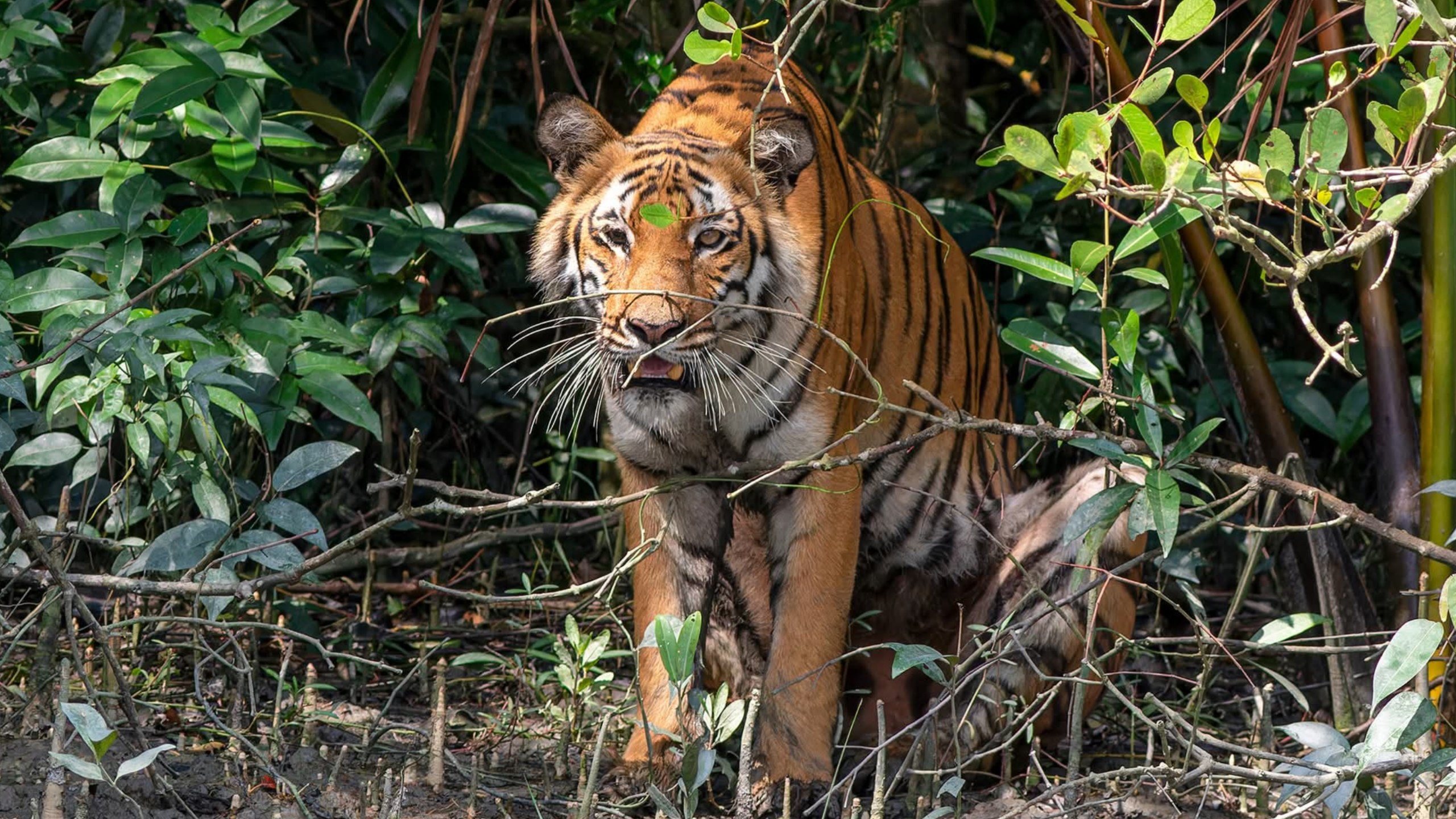
The Sundarbans, the largest mangrove forest in the world, covering more than 10,000 square kilometres between Bangladesh and India, of which around 6,000 square kilometres is in Bangladesh, is a UNESCO World Heritage Site. The forest is home to an estimated 114 Royal Bengal tigers, spotted deer, estuarine crocodiles, otters and over 400 bird species, all thriving amid a tidal maze where the Ganges, Brahmaputra and Meghna rivers meet.
Why Is a Permit Needed
There is no other way of doing this step, as entry into the Sundarbans is strictly controlled. The Sundarbans is a protected and sensitive ecological area and entry into the forest is regulated by the Bangladesh Forest Department through a permit system. No tourist, Bangladeshi or foreign, is allowed inside without a valid permit. Written permission from the Divisional Forest Office, Khulna is required for overnight visits. Permission from the concerned forest station or range office at the point of entry is required for day visits.
Getting Your Permit in Hand
You could do this paperwork yourself, but it’s rarely worth the hassle. For most visitors, the most practical way is to obtain permits through a licensed tour operator, who will take care of the administrative process for you. The only exception, for those short of time, is the Karamjal Eco-tourism Centre near Mongla; it can be visited without prior permission, and gives a good introduction to the Sundarbans in a half-day visit.
When the Forest Opens
More than almost any other planning decision, it matters to time your trip around the official tourism window. Every year from 1 October to 30 April, the Bangladesh Forest Department issues permits for travel in the Sundarbans. The forest is officially closed to tourists during the monsoon season from May to September. The forest department closes some sanctuary zones completely from June to October. During the monsoon period, travel is really subject to cyclone and storm surge risk, so it is better to avoid it completely.
How to Choose a Tour Package
Most visitors experience the Sundarbans on a multi-day boat safari and not on a one-day trip. The only way to get a good experience of the Sundarbans is a multi-day boat safari, usually from 2 to 5 nights docked in the tidal channels moving between the forest zones at dawn and dusk when the wildlife is most active. A 3-day, 2-night trip usually hits the sweet spot between being immersed and being exhausted. The standard package price usually includes the boat, meals on board, a guide, Forest Department entry permits and basic safety equipment. Transport from Dhaka to Khulna, optional canal cruise extras and crew tips are usually extra.
Budget Planning for the trip
Prices vary according to the operator and the type of boat chosen. Multi-day boat safaris are available from about $40 a day on the budget end. If you are a foreigner, then you need to add an additional forest permit fee (different from the package price) while planning the budget. The entry fee for foreigners is higher than for locals, which is a common practice for protected natural areas in Bangladesh, which goes to conservation.
Important Safety Tips
The difference between a smooth trip and a risky one is a few precautions. Before you board, make sure your tour operator is licensed and has valid Forest Department documentation. Some zones have wild tigers and require further protection by an armed forest guard, and the licensed tour packages make arrangements for this where necessary. You are to remain on the boat or on designated walkways at all times and maintain a respectful distance from wildlife, avoiding loud noises that may disturb animals and following your guide’s instructions during the early morning and evening wildlife-viewing hours when animals are most active near the water’s edge.
Discover More Stories Worth Your Time
Explore What Follows Shahabuddin’s Exit?
Discover how Bangladesh’s leadership could change after the president’s departure.
Check Why Assault Case Filed?
Explore the allegations involving actress Snigdha Chowdhury and the Ashiyan chairman.
See How Microplastics Spread?
Discover why Bangladesh’s rivers, salt pans, and fish markets are raising concern.
Find Why Wetlands Face Threat?
Explore how invasive turtles are disrupting biodiversity in Dhaka’s waterways.
Learn Why Army Took Custody?
Discover the latest developments in the Brig Gen Miftah Uddin tribunal case.
Observe the No Plastic Rule
Sundarbans is a single-use-plastic-free zone, and tourists found carrying single-use plastic inside the forest may face a penalty. The fragile mangrove ecosystem is not able to absorb tourist waste, so bring reusable water bottles and bags and take out everything that you bring in.
Last Tips Before You Leave
First timer or travelling with kids? Book through an established operator who handles permits, vessel registration & guide arrangements from start to finish. Don’t plan your day around a set clock, but plan around tide times and the hours of the forest station, since the ability to move a boat through the channels is largely dependent on water levels. If you have the right permits, a licensed operator and a bit of seasonal planning, the Sundarbans offers one of South Asia’s most memorable wildlife experiences.
Summary: Planning a trip to the Sundarbans? Here’s what you need to know about Forest Department permits, choosing the right tour package, the best time to go, and the safety tips every visitor should follow in the world’s largest mangrove forest.