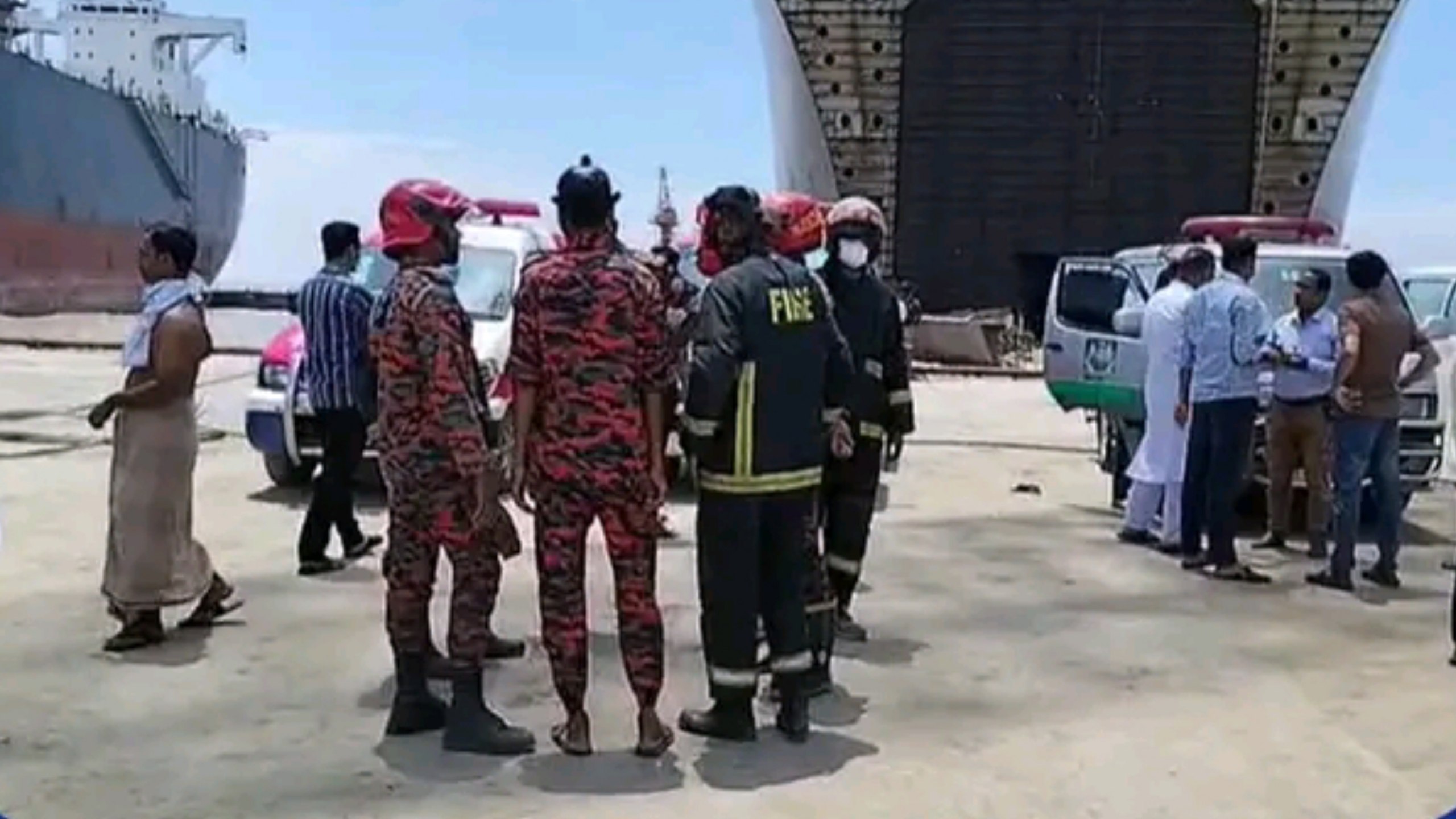
On the morning of August 14, 2026, a Friday and the industry’s designated weekly holiday, 34 workers were present at Ferdous Steel Ship Recycling Industries in Bhatiary, Sitakunda, when toxic gas escaped from a tank aboard an old LNG carrier being dismantled. What began as reports of two or three deaths climbed steadily through the day.
By evening, the toll stood at nine, with several more workers sickened. It was, by any measure, a preventable tragedy, and the paper trail proves it. Regulators had flagged this exact yard for safety failures six months earlier, issued repeated warnings, and still watched the danger go unaddressed until it killed nine men.
A Six-Month Trail Of Ignored Warnings
According to Bangladesh’s Department of Inspection for Factories and Establishments, an inspection at Ferdous Steel on February 2, 2026, identified multiple safety deficiencies and resulted in a formal notice ordering the yard to fix them. A follow-up inspection on May 4 found that the earlier directives had still not been implemented, prompting another reminder. A third and final notice followed on June 8, calling specifically for stronger fire and occupational safety measures.
When none of that produced compliance, DIFE filed a case against Ferdous Corporation Ltd at the Chattogram Labour Court on July 15, exactly one month before the gas leak that killed nine of its workers. The sequence, February notice, May follow-up, June final warning, July court case, August deaths, reads less like an isolated failure than a slow-motion warning that regulators saw coming and could not force the yard to heed.
What Went Wrong That Morning
Workers were carrying out scrap-cutting work inside the LNG carrier when gas suddenly leaked, producing a high concentration of carbon monoxide inside the vessel. Yard officials said liquid waste had been discovered in part of the ship shortly before a safety officer and several workers went to investigate the area, suggesting the fatal exposure happened during precisely the kind of hazard-response work that safety protocols are meant to control.
Workers alleged that members of the yard’s safety team were not present when the work was carried out. Compounding the danger, the fire service was not informed of the accident until roughly two hours after it occurred, delaying the emergency response to a scene where every additional minute of gas exposure carried lethal risk. Army troops were eventually deployed to the site that afternoon after local residents, angered by the deaths, began to gather outside the yard demanding accountability.
A Pattern, Not An Isolated Incident
Ferdous Steel’s case is not unique in Sitakunda’s shipbreaking industry, and that is precisely what makes it so troubling. A half-yearly report from the Bangladesh Institute of Labour Studies, covering January to June 2026, recorded 28 accidents in the sector, three deaths, and 25 injuries, a sharp rise from the same period a year earlier when there was one death and 16 injuries across 15 incidents.
The report identified falling girders, crane and hook failures, and gas or fire accidents as the leading causes, together accounting for nearly 80 per cent of all recorded incidents. Longer-term data compiled by BILS found 129 worker fatalities and more than 200 injuries in the sector between 2015 and 2024 alone, an average of nearly 13 deaths every year in an industry the International Labour Organisation has characterised as among the most hazardous work in the world.
Wages Lag As Badly As Safety
The Ferdous Steel tragedy has renewed attention on safety enforcement, but wage violations in Sitakunda’s shipbreaking yards have followed a strikingly similar pattern of official notices without real consequences. A minimum pay structure for shipbreaking workers, gazetted years ago and graded by skill level, remains unevenly implemented across the sector.
DIFE officials have previously acknowledged issuing hundreds of notices to errant yards for failing to comply with labour rules and filing multiple cases in labour courts over unpaid minimum wages, yet workers’ rights advocates note that such cases can take years to resolve, by which point a new wage board is often already due. Labour rights activists attribute much of the non-compliance to the absence of a strong trade union movement in the sector and the reality that yard owners found in violation are typically fined rather than facing any more serious consequence, with no precedent of a yard owner receiving a prison sentence for labour law violations.
Discover More Stories Worth Your Time
Explore What Follows Shahabuddin’s Exit?
Discover how Bangladesh’s leadership could change after the president’s departure.
Check Why Assault Case Filed?
Explore the allegations involving actress Snigdha Chowdhury and the Ashiyan chairman.
See How Microplastics Spread?
Discover why Bangladesh’s rivers, salt pans, and fish markets are raising concern.
Find Why Wetlands Face Threat?
Explore how invasive turtles are disrupting biodiversity in Dhaka’s waterways.
Learn Why Army Took Custody?
Discover the latest developments in the Brig Gen Miftah Uddin tribunal case.
An Industry Caught Between Progress And Peril
Bangladesh’s shipbreaking sector has made real strides in recent years, with a growing share of yards adopting the International Maritime Organisation’s Hong Kong Convention standards and moving toward what industry figures have described as a “green” transformation of a historically hazardous trade. But even BILS coordinators involved in tracking that progress have cautioned that effective implementation of green standards could be jeopardised unless labour rights and environmental safety keep pace, noting that many yards have yet to fully implement minimum wage requirements even as they pursue international compliance certification.
Sitakunda’s 25-kilometre stretch of shipbreaking yards remains one of the largest ship recycling zones in the world, employing thousands of workers, many of them internal migrants from northern Bangladesh, whose safety continues to depend on enforcement mechanisms that this month’s tragedy suggests are still failing at the most basic level.
What Comes Next
In the immediate aftermath of the Ferdous Steel deaths, a joint team of local administration officials, fire service personnel, and DIFE inspectors visited the site, and residents have demanded a full investigation along with exemplary punishment for those responsible. Whether that investigation produces anything different from the pattern established over the past six months, notices issued, deadlines missed, warnings repeated, and consequences deferred, will determine whether nine more names are simply added to Sitakunda’s long list of preventable deaths, or whether this tragedy finally forces the accountability that regulators spent half a year trying and failing to secure.