
A Disaster That Buried Entire Worksites: Nepal is now more than a week into recovery efforts following the catastrophic flash floods and mudslides that struck on August 26, triggered in part by a partial glacier collapse that sent water, rock, and debris crashing down Himalayan valleys.
The death toll has climbed past 1,300, and Nepal’s disaster agency estimates the flooding caused around 387.5 billion Nepalese rupees, roughly 2.5 billion dollars, in damage to infrastructure and property. Among the hardest-hit sites are a string of hydropower construction projects lining rivers that swelled during the disaster, where entire tunnel networks were swallowed by mud and debris in minutes.
The Scale of Who Is Still Missing
According to Nepal’s National Disaster Risk Reduction and Management Authority, 933 workers stationed at hydropower project sites remain unaccounted for, trapped inside tunnels that rescuers are still working to reach.
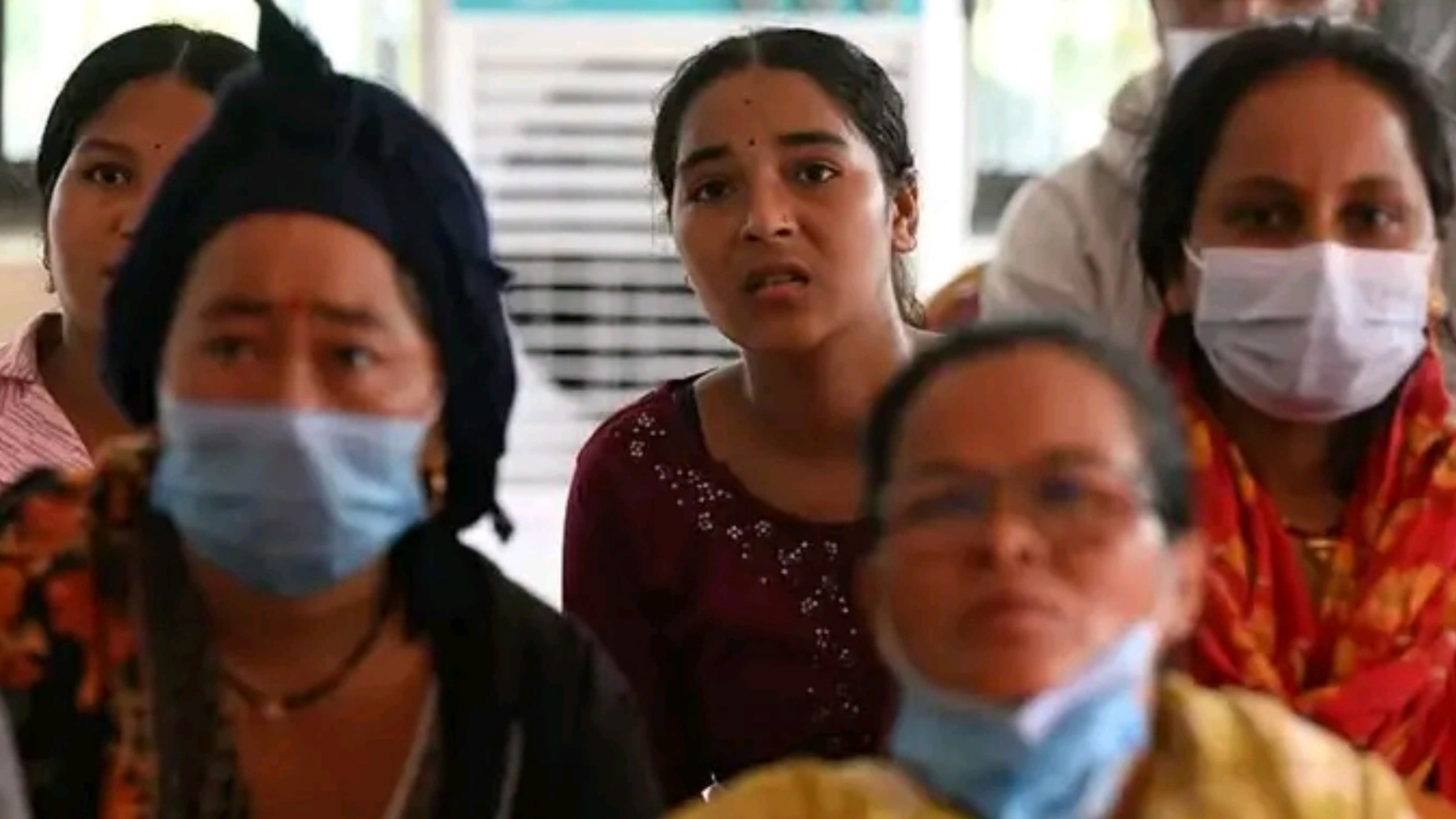
The scale of the loss is visible in Kathmandu, where families like that of Krishna Poudel have posted missing notices for loved ones such as his 26-year-old brother Ishwor, a hydropower worker who called to say he was trapped inside a tunnel just hours before contact was lost. Poudel has heard nothing since.
Signs of Hope Amid the Search
Despite the grim odds, rescue teams have managed several dramatic recoveries. Nine days after the floods, two workers, mechanical foreman Sanjay Shah and mechanical supervisor Kabir Maharjan, were pulled alive from the main tunnel at the Trishuli-3A hydropower project, having survived by chanting mantras and helping others escape before becoming trapped themselves.
A day later, a joint team of the Nepali Army and foreign rescuers freed a Chinese national, Lu Haitao, from a tunnel at the Upper Trishuli-1 project. Separately, a 60-year-old woman was rescued ten days after the floods from the upper floor of a collapsed four-storey building in Nuwakot district. In a single day, Nepali Army aircraft and civilian helicopters helped rescue 58 people, though bodies have also been recovered at sites including the Langtang hydropower plant.
International Support Flows In
The scale of the disaster has drawn a significant international response. India has flown in 18 army officers trained specifically in tunnel rescue operations, along with six forensic teams to help with DNA-based identification of the dead, and has sent four separate shipments of humanitarian aid including generators, food, water purification tablets, tents, blankets, and medicine.
The Indian army has also supplied Bailey bridges, prefabricated structures used in military operations, to help Nepali rescue workers reach areas cut off after roads and bridges washed away. Additional support has arrived from the United Nations, the International Federation of Red Cross and Red Crescent Societies, Australia, South Korea, and the United States.
Discover More Stories Worth Your Time
Explore Why Dengue Cases Rising?
Discover what is driving Bangladesh’s latest dengue surge and the health concerns emerging nationwide.
Check How Sylhet Border Watch Improves?
Explore how the new facility strengthens Bangladesh’s border surveillance and drone capabilities.
See Why Rising Seas Threaten Dhaka?
Discover why the UN warns millions across Mumbai, Kolkata, and Dhaka face immediate coastal risks.
Find Why Trump Praised Tarique?
Explore what the US president’s letter says about the Boeing aircraft deal.
Learn How Adani Supply Returns?
Discover how Bangladesh’s payment settlement helped restore full electricity supply from the Godda plant.
Why the Tunnels Are So Hard to Clear
Rescue operations have been slow and painstaking. At sites like the Chilime hydropower plant, teams have had to clear silt and debris metre by metre just to advance further into blocked tunnels, while access routes to the Trishuli-3B and Upper Trishuli-1 sites required clearing hundreds of metres of debris before rescuers could even reach the tunnel entrances.
At one plant, the destruction was so severe that rescuers had to rely on satellite imagery just to locate the buried facility beneath the mud. Each rescue has depended heavily on heavy equipment, army personnel, and specialist tunnel-rescue expertise, much of it flown in from abroad.
What Comes Next
With hundreds of workers still unaccounted for more than a week after the disaster struck, officials say search and rescue operations remain ongoing across multiple hydropower sites. The recent string of survivor rescues, against odds that seemed to be narrowing by the day, has renewed hope among families waiting for news, even as recovery teams continue pulling bodies from some of the same tunnels.
For now, Nepal’s government continues coordinating with international partners on both the immediate rescue effort and the much longer process of rebuilding infrastructure and communities shattered by the floods.