India and Bangladesh share 54 rivers, but right now, two of them, the Ganga and the Teesta, are carrying the weight of a much bigger diplomatic standoff. With one treaty nearing its end and another still unsigned after 15 years, river sharing has once again become one of the sharpest points of friction between the two neighbours.
A Treaty Nearing Its Expiry Date
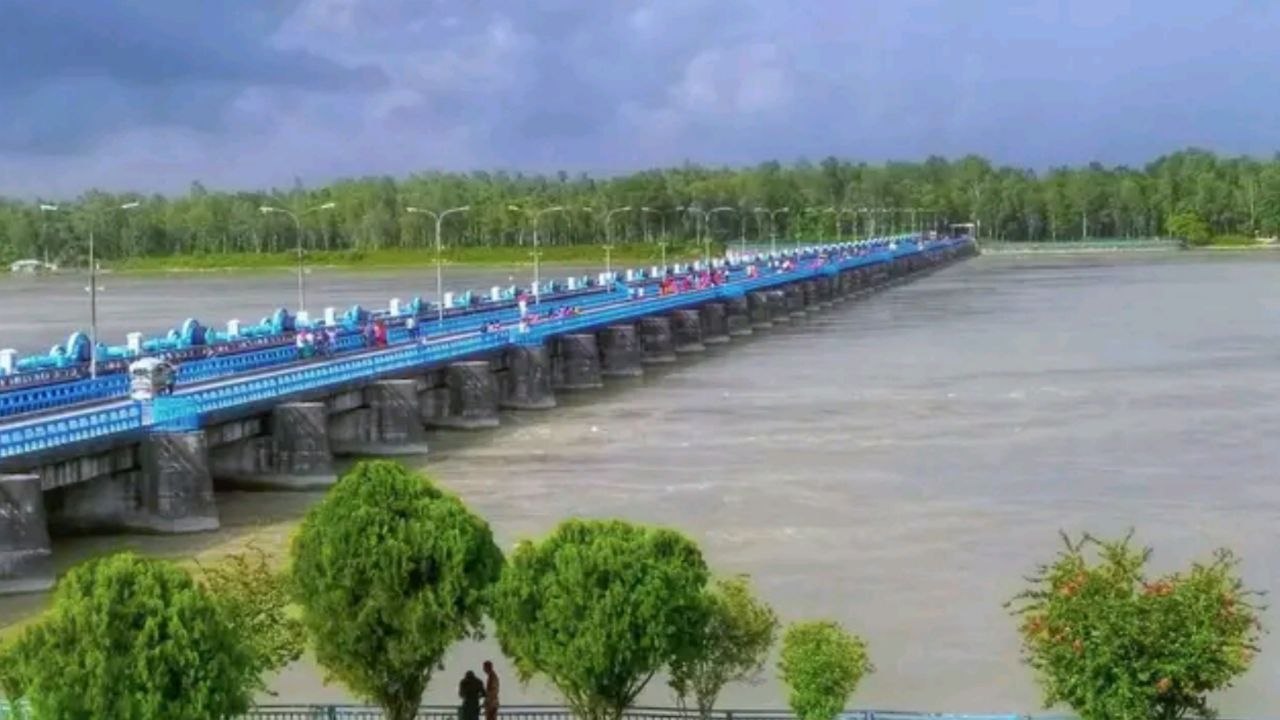
The 1996 Ganga Water Sharing Treaty, which governs dry-season water distribution at the Farakka Barrage, is set to expire in December 2026. Signed as a 30-year arrangement, it guarantees Bangladesh a fixed share of Ganga water during the critical January-to-May dry season.
But the treaty now faces resistance from an unexpected quarter: India’s own ruling coalition. Bihar leaders from the Janata Dal (United), a key BJP ally, have argued the Farakka Barrage has worsened flooding and silt buildup in Bihar over the decades, and some have called for the treaty to be reworked or even for the barrage to be decommissioned.
Critics of this position counter that the real culprit is unchecked water diversion further upstream in Uttar Pradesh, not the barrage itself. Bangladeshi officials, watching from across the border, reportedly hold little hope the treaty will be renewed on favourable terms, if it is renewed at all.
The Teesta Deadlock
While the Ganga treaty faces an uncertain renewal, the Teesta River Treaty remains stuck in the same place it has been since 2011, when a draft agreement collapsed after West Bengal’s then chief minister Mamata Banerjee withdrew support at the last moment.
Under a 1983 interim arrangement, India retained the larger share of Teesta water, but a permanent treaty has eluded both sides for over four decades. When the BJP won West Bengal’s assembly elections earlier this year, some in Bangladesh hoped this long-standing political roadblock might finally clear.
Instead, according to sources in Bangladesh, aggressive rhetoric from Bengal’s new leadership and continuing deportation drives targeting alleged Bangladeshi immigrants have only deepened suspicion that meaningful talks remain unlikely. Bengal’s finance minister has publicly downplayed the issue as a low priority, while a planned visit by Bangladesh’s Prime Minister Tarique Rahman to India remains indefinitely delayed.
Why The Two Treaties Are Linked
Diplomats say any changes to the Ganga treaty could directly affect the fate of the Teesta agreement, since both now sit within the same climate of mutual distrust. Unlike the Ganga treaty, which rests on decades of quantified hydrological data, the Teesta treaty suffers from wildly differing water-flow estimates between the two countries, making consensus even harder to reach.
Economists point to a deeper structural issue: any water allocated to Bangladesh from the Teesta must come out of West Bengal’s own share, a scarcity problem that persists regardless of which party governs in Kolkata or Dhaka.
The China Factor
Adding urgency to the standoff is Bangladesh’s growing interest in an alternative path. Reports suggest Bangladesh’s leadership is pushing ahead with a Teesta River management project, one that has drawn interest from China in the past, though Bangladesh’s water resources minister has since said the country intends to fund the barrage project itself rather than rely on Chinese financing.
Even so, the project’s proximity to India’s strategically sensitive Siliguri Corridor has raised security concerns in New Delhi, adding a geopolitical dimension to what was already a difficult bilateral issue.
Discover More Stories Worth Your Time
Looking for a Family Trip Before Eid?
Discover five budget-friendly weekend getaways near Dhaka for a relaxing holiday.
What Are the Top Eid Fashion Trends This Year?
Explore the latest outfit styles and fashion ideas to upgrade your Eid look.
Who Are Bangladesh’s Richest Cricketers?
See the top five stars, their estimated net worth, and successful business ventures.
Is Your Electricity Meter Overcharging You?
Learn the warning signs of a faulty meter and how to report billing issues.
How Can You Get the Tk 10 Lakh Student Loan?
Find out the eligibility, application process, and benefits of the government education loan scheme.
What Experts Say Is Needed
Geopolitical analysts argue that any lasting solution to the Teesta dispute must benefit both riverbank communities, particularly as rice cultivation, and with it water demand, has climbed on both sides of the border.
Several experts have called for a full hydrological study of both rivers to better understand how construction, siltation and climate change are reshaping their flow, alongside coordinated cropping strategies that adjust to seasonal water availability rather than treating the rivers as a fixed resource to be divided.
What’s At Stake
Beyond the diplomatic chess game, ordinary communities on both sides of the border, from flood-displaced farmers in Bihar to riverbank families in North Bengal, remain largely absent from these high-level negotiations, even though they bear the brunt of the disputes through recurring floods, erosion and dry-season shortages.
With the Ganga treaty’s December 2026 deadline fast approaching and the Teesta deal no closer to resolution, how India and Bangladesh navigate the coming months could determine not just the future of river diplomacy, but the broader trajectory of bilateral relations at a genuinely fragile moment.