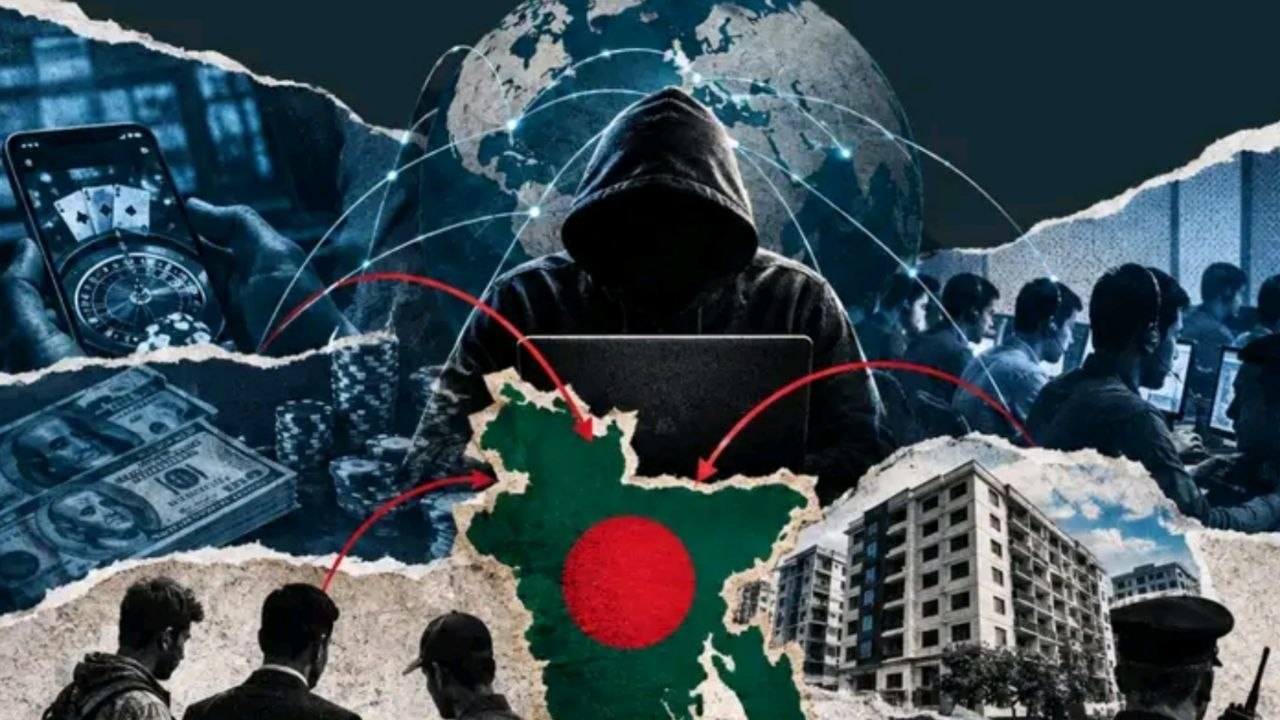
As digital banking, mobile payments and online shopping become part of daily life in Bangladesh, cyber scam networks are expanding just as quickly, exploiting the same convenience that has made technology so widely adopted.
The Magnitude Of The Problem
Data from the Bangladesh Bank show that in 2025 alone, 81,423 cases of fraud involving mobile financial services, cheque-based instruments and card transactions involving Tk926.01 million were reported. Of that, Tk827.21 million remains unrecovered, meaning only about 10.7 per cent of the stolen amount has been returned to the victims.
In April 2026 alone, 886 victims of cybercrime asked for help from the Cyber Police Centre, continuing a slow but steady increase in reported cases in recent months.
How Scam Gangs Work
In Bangladesh, fraudsters are using a combination of tricks including phishing links, fake investment and loan schemes, impersonation calls and messages and account takeovers.
Criminals often move stolen funds quickly through mobile financial service accounts, sometimes associating them with online gambling platforms, making it difficult to trace the money before victims realise they have been targeted. Research in criminology earlier showed that social media and account hacking alone made up about 21.65 per cent of reported cybercrimes in the country.
Women and children are most affected
Law enforcement officials say that 97 per cent of cybercrime victims in Bangladesh are women and children, with teenagers particularly targeted.
A separate study by ActionAid Bangladesh has revealed that 64 out of every 100 women surveyed had suffered online violence, a figure which has risen 13 per cent compared to the last year. Officials say much of this vulnerability can be attributed to low levels of digital proficiency and a lack of awareness of safe practices online.
Discover More Stories Worth Your Time
Looking for a Family Trip Before Eid?
Discover five budget-friendly weekend getaways near Dhaka for a relaxing holiday.
What Are the Top Eid Fashion Trends This Year?
Explore the latest outfit styles and fashion ideas to upgrade your Eid look.
Who Are Bangladesh’s Richest Cricketers?
See the top five stars, their estimated net worth, and successful business ventures.
Is Your Electricity Meter Overcharging You?
Learn the warning signs of a faulty meter and how to report billing issues.
How Can You Get the Tk 10 Lakh Student Loan?
Find out the eligibility, application process, and benefits of the government education loan scheme.
Why So Few Cases Are Resolved
There is a growing divide between the scale of cyber fraud and the number of crooks who are actually caught, prosecuted and made to pay back money they have stolen, experts say. Investigators do not have the specialised training and technical resources required to build good cases. Existing legal structures such as the ICT Act and the Digital Security Act are considered outdated for fast-evolving threats, such as VPN-masked operations and encrypted communications.
Many victims do not report incidents at all, either because they do not know where to report for help or because they do not trust the system to act on their complaint.
What Needs To Change
Legal experts say it will require a combination of better cybercrime laws, more resourced investigation units and closer collaboration between law enforcement and the tech platforms where scams often occur. Public awareness campaigns, especially those targeting women, students and elderly users who are often targeted, are also deemed essential.
As enforcement struggles to catch up with the rapid pace of digital adoption, cyber scam networks in Bangladesh are expected to continue to grow, exposing individuals and financial institutions to greater risk of loss.