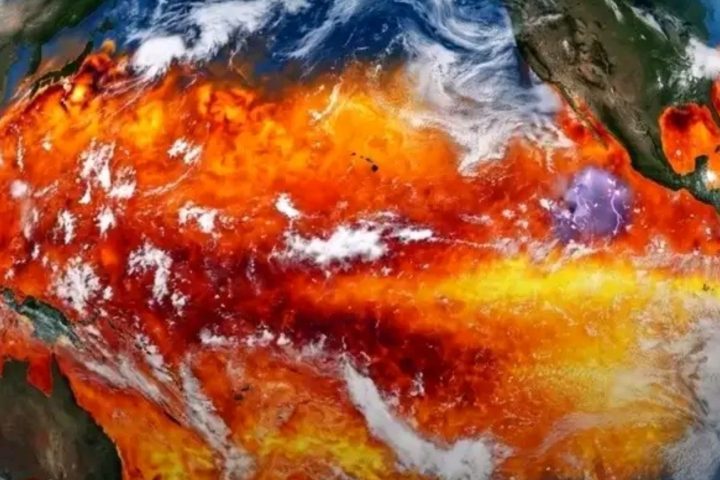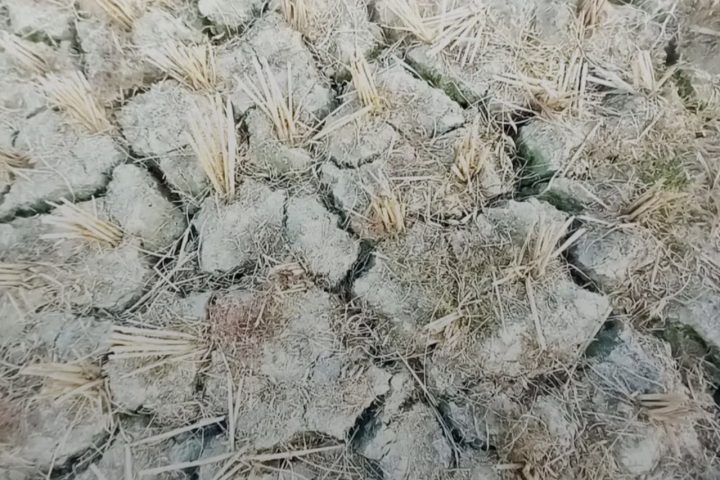

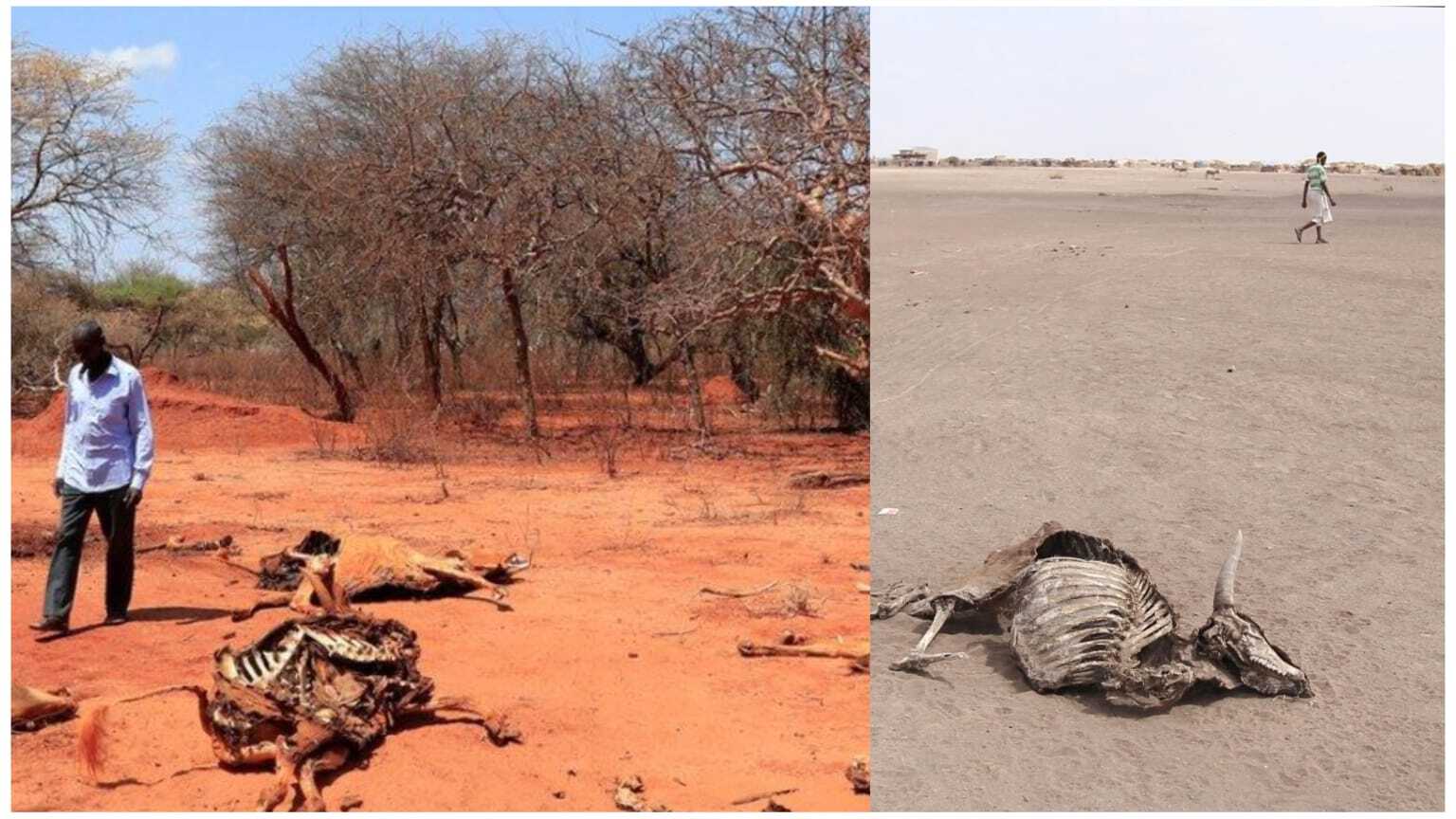
Bolivian President Rodrigo Paz announced a national emergency on Saturday, October 31, to free up money and manpower for drought and the early effects of El Niño. Thousands of miles away, Bangladeshi experts warn the same climate pattern could bring heatwaves, drought and floods.
Bolivia Declares a National Emergency
Bolivia’s Vice Ministry of Civil Defence said at least 78,217 families have been hit by drought linked to El Niño. The impact stretches across Oruro, La Paz, Chuquisaca, Cochabamba, Santa Cruz and Potosí.
Decree 5759 covers the risk of frost, hail, forest fires, floods and overflowing rivers tied to El Niño in 2026-2027. The president said 63 communities have already declared drought. He told the country that El Niño would hit hard with both drought and floods, and asked every institution to cooperate.
Livestock Losses Add to the Pressure
The drought has also killed more than 75,000 head of livestock. The president warned that shortages of water and fodder threaten families who depend on farming and herding.
The danger is not over. The rainy season runs from December to March, and the government is preparing for floods and river overflows in the east and centre of the country. That means some regions may go from drought to flooding within months.
Why Experts Fear a Strong El Niño
El Niño is a natural warming of Pacific Ocean waters that returns every few years. The US Climate Prediction Center said in July that it was strengthening rapidly, with an 81 percent chance of becoming one of the most powerful events since 1950, likely peaking between October and December.
What Bangladesh Could Face
Bangladesh has no single story under El Niño. A BUET water and flood expert, Professor AKM Saiful Islam, says the coming event could rank among the strongest in 150 years, with risks ranging from heatwaves and drought to floods and powerful cyclones. He also warned that two disasters at once can compound each other.
Floods are part of the history too. Major floods hit Bangladesh in 1987, 1988 and 1998, all El Niño years. So a simple El Niño equals drought rule can mislead.
Heat, Farms and Water
Heat is a real concern. During the 2023 to 2024 El Niño, heatwaves pushed temperatures between 40 and over 43 degrees Celsius across 51 of the 64 districts. Experts also fear a delayed monsoon and less rainfall, which would disrupt the planting of Aman rice seedlings. The Bangladesh Meteorological Department says reduced rain may lower flood risk in some areas, but irrigation demand could rise in the Rangpur, Rajshahi and Khulna divisions.
Experts Urge Caution on Predictions
Not everyone agrees on how hard Bangladesh will be hit. One climate expert wrote that it is still too early to say whether the country will be much drier than normal in late 2026, since the monsoon also depends on other drivers such as the Indian Ocean Dipole. Another scientist said the impact on this year’s monsoon could be moderate.
One Pattern, Different Shocks
Bolivia is already counting its losses, while Bangladesh is preparing for what may come. For both countries, the lesson is the same: plan early for drought, heat and floods, and protect farmers, water supplies and public health before the peak of El Niño arrives.
Discover Nature With Bangla Pulse
1. Which venomous snakes are a real threat in Bangladesh, and how can people identify them?
From cobras and kraits to vipers, discover the venomous snakes found across Bangladesh and why they remain a serious concern.
2. Did you know a new island has emerged in the Sundarbans?
Explore the story behind the new island in the Sundarbans and what its appearance could mean for this fragile ecosystem.
3. Why are Bangladesh’s wild birds increasingly at risk from poaching?
Take a closer look at the illegal bird trade and poaching threatening the country’s wildlife.
4. What makes Sundarbans honey collectors enter one of the world’s most dangerous forests?
Their search for honey can bring them face-to-face with Royal Bengal Tigers. Discover why these collectors continue to risk their lives.
5. Is there more to the Sundarbans than science can explain?
From mysterious stories to local beliefs, explore the fascinating debate between science and superstition in the Sundarbans.