Dhaka has been busy lately. In just the past few weeks, Bangladesh has held serious defence talks with both China and India not as a one-off, but as part of a pattern that’s been building for months. The message underneath it all is pretty clear: Bangladesh doesn’t want to be anyone’s exclusive partner when it comes to its military. This isn’t really about picking a side between the two Asian giants. It’s about Dhaka keeping as many doors open as possible while it figures out how to modernize a military that badly needs it.
The China Connection Keeps Growing
China has been arming Bangladesh for decades now with planes, ships, armored vehicles, missiles, and the works. That relationship isn’t new. But it picked up noticeably in 2026.
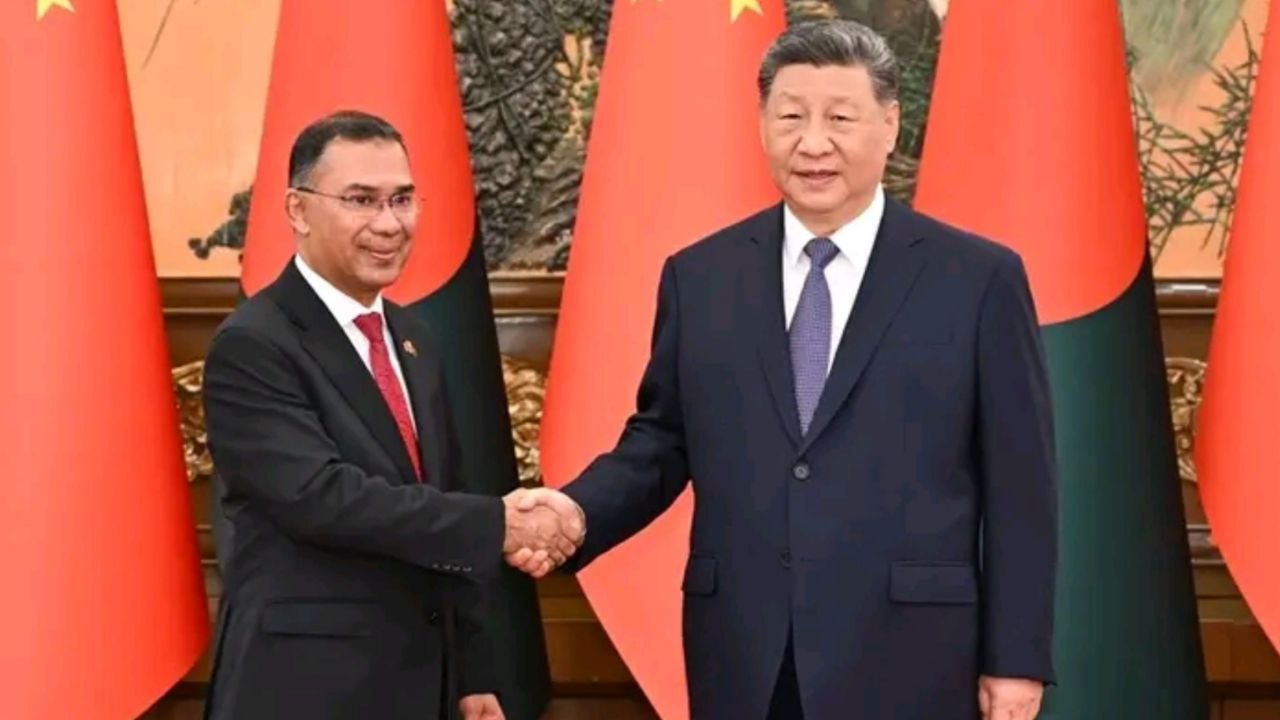
In September, China’s ambassador sat down with Bangladesh’s defence adviser to talk about training programs, military education exchanges, and tech cooperation. Beijing made a point of reaffirming that it wants to help modernize Bangladesh’s forces going forward. Before that, the two sides had already been discussing something arguably bigger: technology transfer, advanced training, and cybersecurity cooperation. That kind of cooperation matters because it’s not just about buying hardware it’s about Bangladesh building up its own technical know-how. Then in August came the headline-grabber: reports that Dhaka was edging closer to buying Chinese J-10CE fighter jets, possibly along with attack helicopters. Nothing’s been locked in yet no confirmed numbers, no price tag, no delivery timeline but the direction of travel is unmistakable.
India Hasn’t Been Sidelined
Here’s the thing, though none of this has come at India’s expense. On September 9, Bangladesh and India held their own round of talks, covering joint military training, professional exchanges, disaster response, and maritime security. Regional stability came up too. And honestly, geography makes this inevitable. Bangladesh borders India on three sides and sits right on the Bay of Bengal. Border security, maritime safety, disaster relief, connectivity India is baked into almost every one of these issues whether Dhaka wants it that way or not. India, for its part, is watching the China angle closely, especially the fighter jet talks and the infrastructure projects that tend to come bundled with Chinese defence relationships.
Why Play Both Sides at Once?
For Bangladesh, spreading its bets makes practical sense. Different partners bring different technology, different training pipelines, different equipment options. And there’s a negotiating advantage too when you’re not locked into one supplier, you have more leverage to push for the terms and priorities that suit you. But it’s not free. Running mixed fleets of Chinese and Indian (or other) equipment creates real headaches, maintenance gets more complicated, training has to cover multiple systems, spare parts logistics get messier, and interoperability between different platforms is never seamless. More suppliers doesn’t automatically translate into more independence, sometimes it just means more complexity. That trade-off becomes especially relevant now, with Bangladesh weighing genuinely expensive purchases. The J-10CE talks are a good example. This isn’t just a military procurement decision, it’s a financial and diplomatic one too.
Discover More Stories Worth Your Time
See Which Foods Ease Seasonal Changes?
Explore five comforting foods that can help you feel your best.
Explore Why Wages Stay Frozen?
Discover how stagnant minimum wages are affecting Bangladesh’s garment workers and families.
Check How Conflict Hurts Jobs?
Explore why Middle East tensions could threaten Bangladesh’s jobs and poverty gains.
Learn How To Spot H1N1?
Discover H1N1 symptoms, prevention tips, and essential facts for Bangladesh.
Find Which Netflix Picks Worth Watching?
Discover binge-worthy Netflix choices for a relaxing weekend at home.
Part of a Larger Rivalry
Zoom out, and Bangladesh’s balancing act is playing out against a much larger India-China rivalry across the Indo-Pacific and the Bay of Bengal. China wants deeper footholds across South Asia; India is focused on protecting its own backyard and maritime interests. That’s exactly why Dhaka’s moves are being watched so closely in both capitals. But if you look at what’s actually happening parallel talks with both India and China rather than a pivot toward either it looks less like realignment and more like Bangladesh deliberately keeping its options open. The real test, for ordinary Bangladeshis, isn’t which country gets the bigger share of defence contracts. It’s whether all this diversification actually makes the country safer or whether it just leaves Dhaka juggling multiple expensive, incompatible relationships without ever gaining real strategic independence.
FAQ
Is Bangladesh drifting away from India?
Not really the September 9 talks show cooperation with India is still very much alive, especially on training, maritime security, and disaster management.
What jets is Bangladesh eyeing from China?
The J-10CE, though nothing is finalized it still has to clear budget and government approval hurdles.
Does having more suppliers mean more independence?
Not automatically. It can mean more options, but it can also mean more logistical and financial strings to manage.