
For the first time in nearly four decades, a Bangladeshi diplomat is at the helm of the UN’s most representative body. Foreign Minister Dr Khalilur Rahman has assumed the presidency of the 81st United Nations General Assembly. Bangladesh’s UNGA presidency over the session at UN headquarters in New York, replacing Germany’s former foreign minister Annalena Baerbock.
A comeback after four decades
Khalilur’s appointment is only the second time a Bangladeshi has held the UNGA presidency. The first was Humayun Rasheed Choudhury, who was the foreign minister then and presided over the 41st session in 1986-87. Khalilur has a one-year term to chair plenary meetings and help manage debate and negotiate agreement among the UN’s member states through September 2027.
His election followed a tight vote in which Khalilur had 99 votes against the Cypriot candidate, with the final vote being 99-91. The fairly narrow margin, analysts have pointed out, suggests a more competitive diplomatic environment inside the UNGA, where regional alignments and active campaigning are playing an increasingly important role in determining outcomes rather than automatic consensus.
Timing is everything
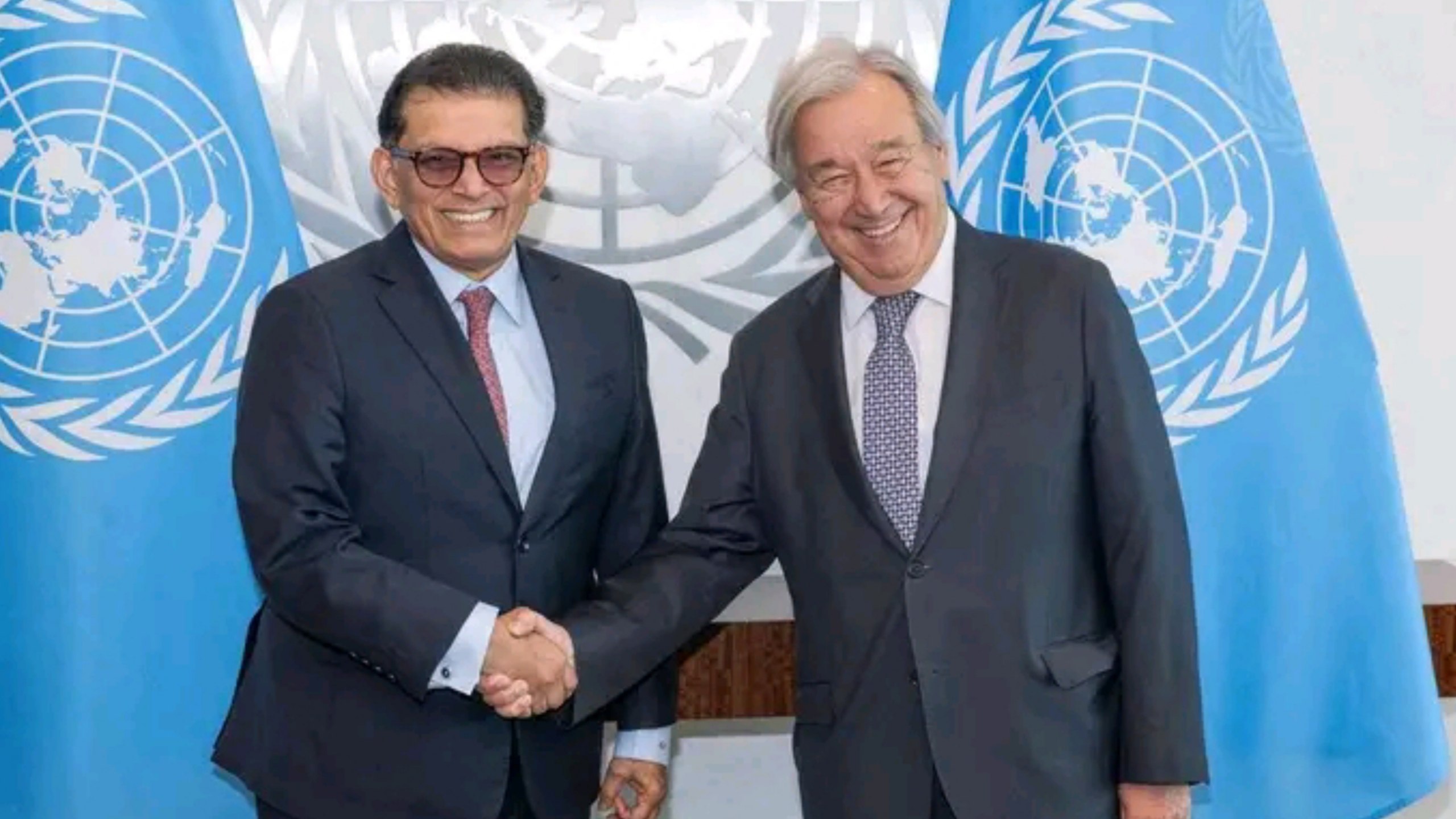
Khalilur Rehman takes the presidency amid a process to choose the next UN secretary-general, as the term of the current UN chief, Antonio Guterres, expires on 31 December 2026. Guterres met with Khalilur in New York ahead of the opening of the session and congratulated him on his election, expressing confidence in his diplomatic experience.
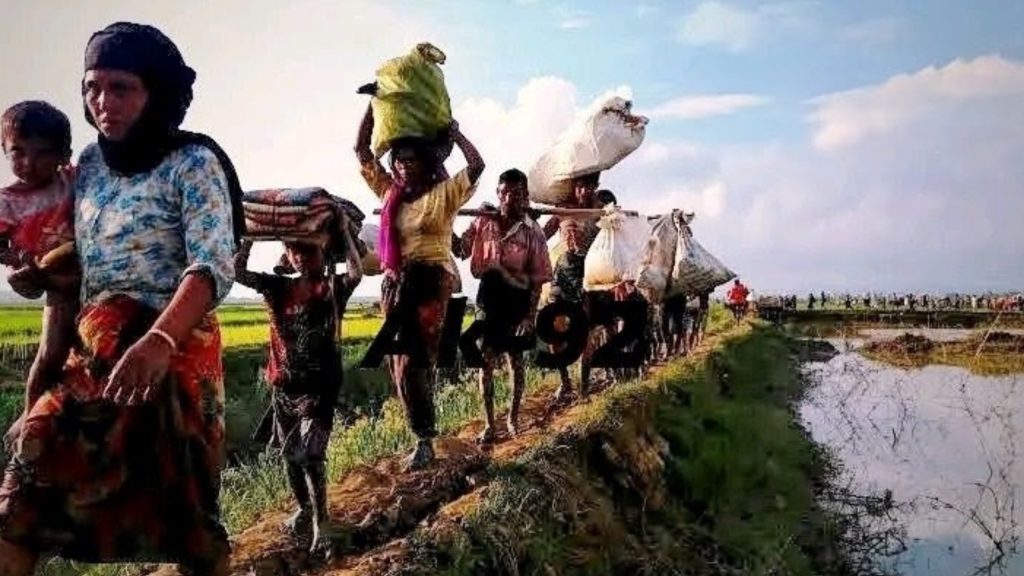
A career diplomat and economist, Khalilur joined the Bangladesh Foreign Service in 1979 and served in senior positions within the UN system in New York and Geneva, including under the UN Conference on Trade and Development. His experience includes multilateral diplomacy, development economics, national security and the Rohingya crisis — experience officials say puts him in a position to help build consensus among member states at a time of deepening geopolitical divisions.
Discover More Stories Worth Your Time
See Which Foods Ease Seasonal Changes?
Explore five comforting foods that can help you feel your best.
Explore Why Wages Stay Frozen?
Discover how stagnant minimum wages are affecting Bangladesh’s garment workers and families.
Check How Conflict Hurts Jobs?
Explore why Middle East tensions could threaten Bangladesh’s jobs and poverty gains.
Learn How To Spot H1N1?
Discover H1N1 symptoms, prevention tips, and essential facts for Bangladesh.
Find Which Netflix Picks Worth Watching?
Discover binge-worthy Netflix choices for a relaxing weekend at home.
What Bangladesh wants to do
Dhaka officials have called the presidency a rare opportunity to raise Bangladesh’s international profile. State Minister for Foreign Affairs Shama Obaed Islam described Khalilur’s election as a big diplomatic success, showing a new position in the world. She said the result reflected global trust in Bangladesh’s return to elected democratic rule.
She has also said the government intends to use the presidency to build international pressure for a political solution to the Rohingya crisis, one of the country’s most urgent and persistent foreign policy issues. Meanwhile, the officials have described the upcoming session of the UNGA as an opportunity for Bangladesh to showcase its economic potential and development priorities to the world. Prime Minister Tarique Rahman is also expected to attend the session.
A Broader Diplomatic Effort
Khalilur’s presidency of the UNGA in 2026 comes at a time when Bangladesh’s diplomatic activity is set to intensify, with talks on economic reforms with the International Monetary Fund and further engagement with international partners on trade and investment. Analysts watching the country’s foreign policy say the UNGA role adds visible weight to that push, giving Bangladesh a formal platform at the centre of UN deliberations, not a supporting one.
Later this month, the 81st session of the UNGA high-level general debate opens in New York, bringing together heads of state and government from around the world. It will be the earliest, clearest test of how Bangladesh uses its year at the helm of the assembly.