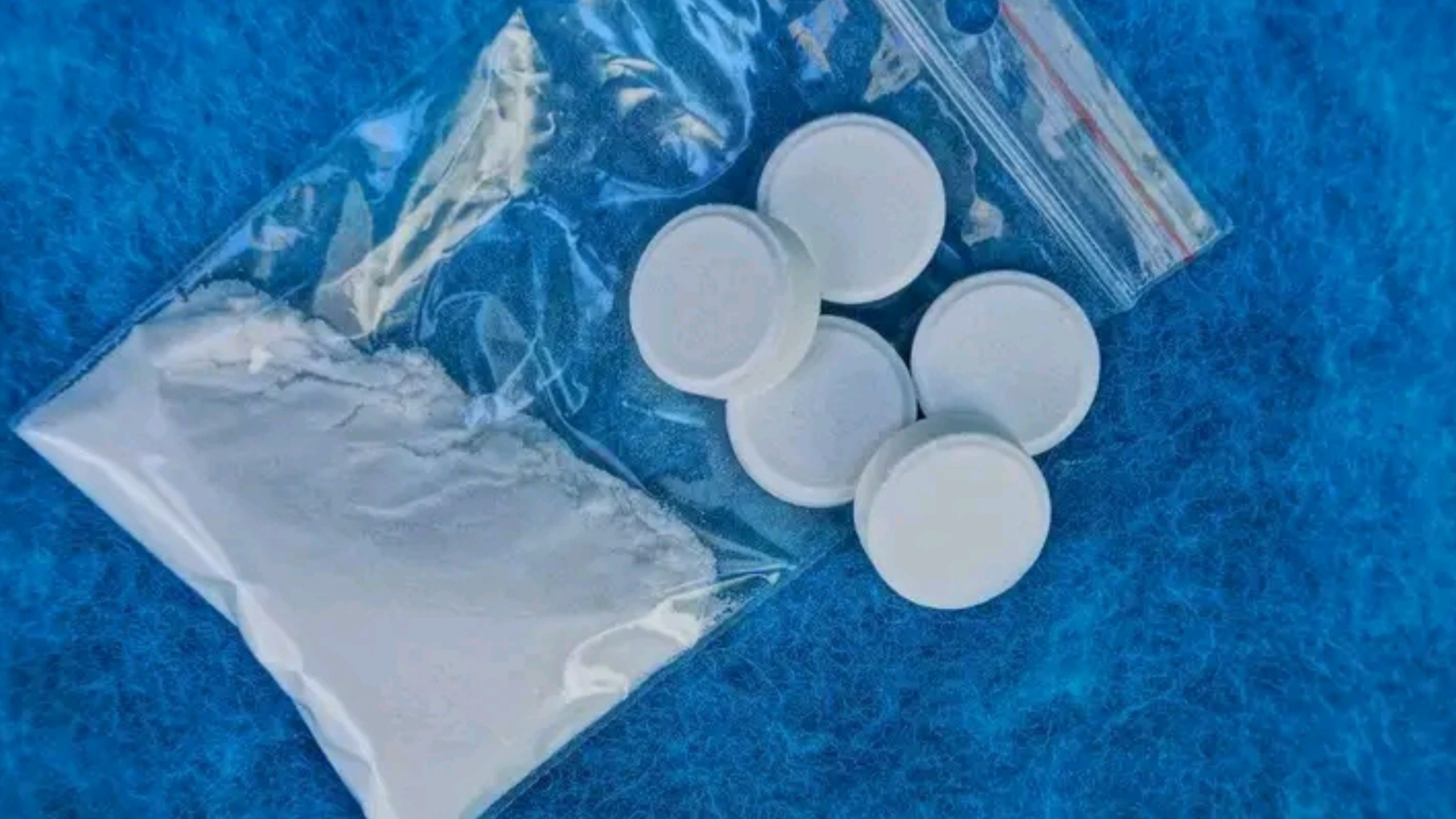
Bangladesh’s drug crisis is worsening with government estimates now placing the number of users at around 8.2 million people across the country, or nearly five per cent of the population. The country does not produce narcotics within its borders, so nearly all of the supply is smuggled in from abroad, flowing through an extensive and increasingly sophisticated network of border routes, couriers, and digital platforms.
The Extent of the Problem
Narcotic drugs ranging from yaba to heroin are being trafficked through at least 105 border points of 18 districts of the country, with Dhaka being the main hub for their distribution and consumption, according to the Department of Narcotics Control’s Annual Drug Report 2025. Some 2.3 million of the total 8.2 million users are in Dhaka alone, say Home Ministry officials. The scale of the crisis was recently confirmed by Home Minister Salahuddin Ahmed, while the Department of Narcotics Control seized more than 4.36 crore yaba and other amphetamine-type tablets in 2025, a 91 per cent jump from the previous year.
Where the drugs originate
Traffickers use three main corridors to smuggle narcotics into Bangladesh. Yaba and crystal methamphetamine mainly come across the porous, conflict-affected border with Myanmar, while cannabis comes across the western and northern borders with India. Bangladesh has a long border with India, 4,156 km, and a 271-km border with Myanmar, which provides a wide and hard-to-monitor stretch of territory for traffickers. Cox’s Bazar is already one of the world’s largest humanitarian zones and a major trafficking corridor along the Myanmar frontier.
YABA – A New Currency
One of the more remarkable developments reported on in recent times is the emergence of yaba as a literal currency in cross-border trade. For years Bangladeshi smugglers have been supplying armed groups operating in Myanmar’s conflict-ridden Rakhine State with construction materials, fuel and food, but cash is no longer the only currency. “The supply has increased because Myanmar’s rebel groups have used yaba as a ‘narco-currency’ to pay for goods and services instead of money,” said Mohammad Hasan Maruf, Director General of the Department of Narcotics Control. Bangladeshi authorities can only act when they have specific intelligence about smuggling activity and have limited access to operate in Myanmar territory.
Record seizures and soaring prices
Border Guard Bangladesh has seized record quantities of yaba in recent months, including some 2.8 million tablets over a two-month period in 2025. In a separate drive, the Bangladesh Navy seized around 500,000 yaba pills worth around Tk 250 million in Teknaf sub-district of Cox’s Bazar. The price of a single yaba pill is around Tk 500. “The fluctuations in street price, which is usually estimated at Tk 300 to Tk 500 per tablet, depend on how much supply there is and how strong the demand is across the country,” said officials.
Discover More Stories Worth Your Time
What Makes the Abrahamic Family House Unique?
Discover how this landmark promotes interfaith harmony and cultural understanding.
What Peace Deals Has Trump Brokered?
Explore the major diplomatic agreements shaping his second presidential term.
Does the U.S. Still Import Russian Uranium?
Find out Trump’s response and what it means for U.S. trade and energy policy.
Why Is the UAE Hosting Historic Peace Talks?
Learn how the UAE facilitated a major prisoner exchange involving 314 detainees.
Why Are the World’s Wealthiest Choosing Dubai?
Explore the key factors making Dubai the preferred destination for global elites.
Who Is Impacted
Officials and experts said a large share of users and couriers of synthetic drugs are young people aged between 16 and 30, reflecting how deep the crisis has taken hold among Bangladesh’s youth. Traffickers have also altered their methods to elude detection, using tactics such as swallowing packets of yaba tablets, hiding drugs inside shoes, walking sticks and vehicle tyres and increasingly using women and children as carriers. The reach provided by digital tools such as social media, online marketplaces, encrypted messaging apps and courier and payment services has boosted illicit trade.
Response So Far
The government has announced a Tk 1,413 crore scheme to build 200-bed rehabilitation centres in all seven divisional cities, including Chattogram, Rajshahi, Khulna, Barishal, Rangpur, Sylhet and Mymensingh. But officials and commentators have warned that treatment infrastructure will not be enough to cope with a crisis of this scale, especially as new synthetic and semi-synthetic substances continue to emerge and change the nature of demand. Analysts say authorities already have considerable intelligence on the routes, carriers and dealers involved. Breaking up the networks behind the trade, some believed to have links to powerful figures, is as much a political challenge as one of law enforcement.
Summary: Bangladesh is facing a deepening drug crisis with an estimated 8.2 million users nationwide. Traffickers move narcotics through 105 border points across 18 districts, while armed groups in Myanmar have begun using yaba tablets as a currency for cross-border trade.