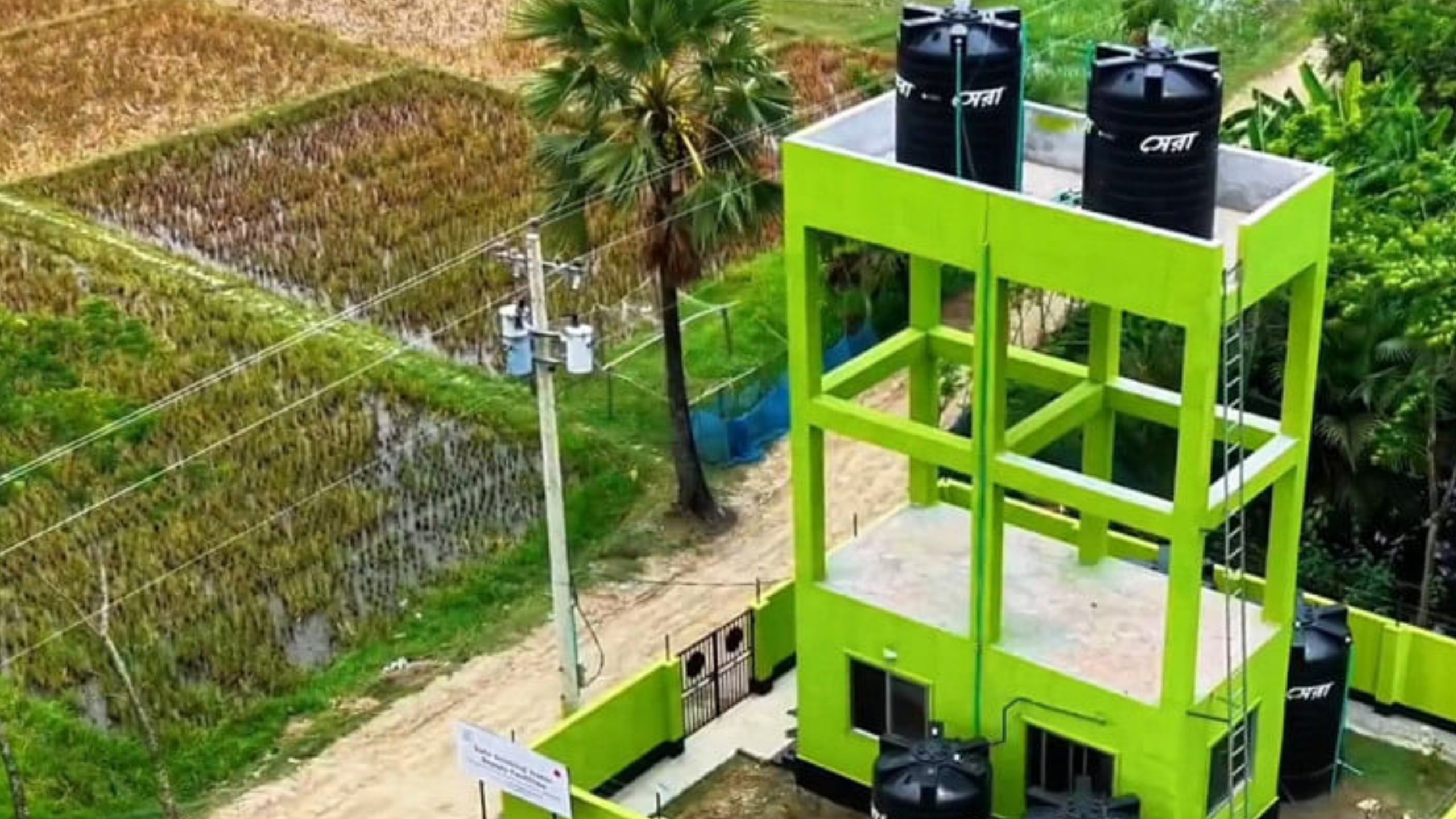
For thousands of families in the coastal belt of Barguna, clean drinking water has long been one of the hardest things to come by. Rising salinity in rivers, ponds and even deep tube wells has pushed many households toward water that is unsafe to drink, particularly during the monsoon months when contamination and waterborne illness spike. A community-led water treatment initiative in Patharghata upazila is now working to change that, supplying safe drinking water at a price most families can actually afford.
How the Initiative Works
The programme, run since 2024 by the local organisation NSS with support from Oxfam, treats surface water and distributes it to around 2,500 families in Patharghata, reaching close to 8,000 people. The system is managed day to day by beneficiary women themselves, who oversee production and distribution at the local level. Families buy between 5 and 10 litres of treated water daily at a rate of 30 paisa per litre, a fraction of what many coastal households have historically paid for water drawn from private reverse osmosis plants, where prices can run far higher.
Why It Matters During Monsoon
The timing is significant. Monsoon rains often cause floodwater to mix with contaminated ponds, open drains and shallow wells, sharply raising the risk of diarrhoea, cholera, typhoid and other waterborne diseases across Bangladesh’s low-lying coastal districts. In areas like Barguna, where groundwater salinity has already compromised many traditional sources, the monsoon season compounds an existing crisis rather than easing it. Access to a reliably treated, affordable water source gives families an alternative to sources that would otherwise put them at higher risk during exactly the months when that risk peaks.
A Model Beyond Just Clean Water
Beyond public health, the initiative has been designed with sustainability in mind. Revenue collected from water sales covers running costs such as electricity for the treatment system, and any surplus at the end of the month is distributed among the beneficiary families involved in managing it. According to NSS executive director Shahabuddin Panna, the approach also helps protect groundwater reserves by reducing pressure on tube wells and other underground sources that are already under strain from salinity intrusion.
Discover More Stories Worth Your Time
Looking for a Family Trip Before Eid?
Discover five budget-friendly weekend getaways near Dhaka for a relaxing holiday.
What Are the Top Eid Fashion Trends This Year?
Explore the latest outfit styles and fashion ideas to upgrade your Eid look.
Who Are Bangladesh’s Richest Cricketers?
See the top five stars, their estimated net worth, and successful business ventures.
Is Your Electricity Meter Overcharging You?
Learn the warning signs of a faulty meter and how to report billing issues.
How Can You Get the Tk 10 Lakh Student Loan?
Find out the eligibility, application process, and benefits of the government education loan scheme.
A Wider Coastal Water Crisis
Barguna’s water challenges are part of a broader pattern across Bangladesh’s southern coast, where salinity has been detected not just in surface water but increasingly in deep tube wells once considered a safe fallback. Health experts have linked long-term consumption of highly saline water to a range of health complications, including high blood pressure, kidney problems and pregnancy-related risks. Districts such as Barguna, Patuakhali, Pirojpur and Bhola have been especially affected, with agricultural land facing similar salinity pressures that limit farming to a single monsoon rice crop each year.
Community-managed models like the one in Patharghata are increasingly viewed as a practical bridge in areas where large-scale infrastructure upgrades take years to materialise. For now, the initiative offers a rare piece of good news for coastal families navigating a monsoon season that typically brings more risk than relief, giving thousands of residents a safer, cheaper way to meet one of their most basic daily needs.
Summary: In Patharghata upazila of Barguna, a community-run water treatment initiative is supplying safe drinking water to thousands of families at just 30 paisa per litre, offering relief from monsoon-season waterborne illness in Bangladesh’s saline-hit coastal belt.