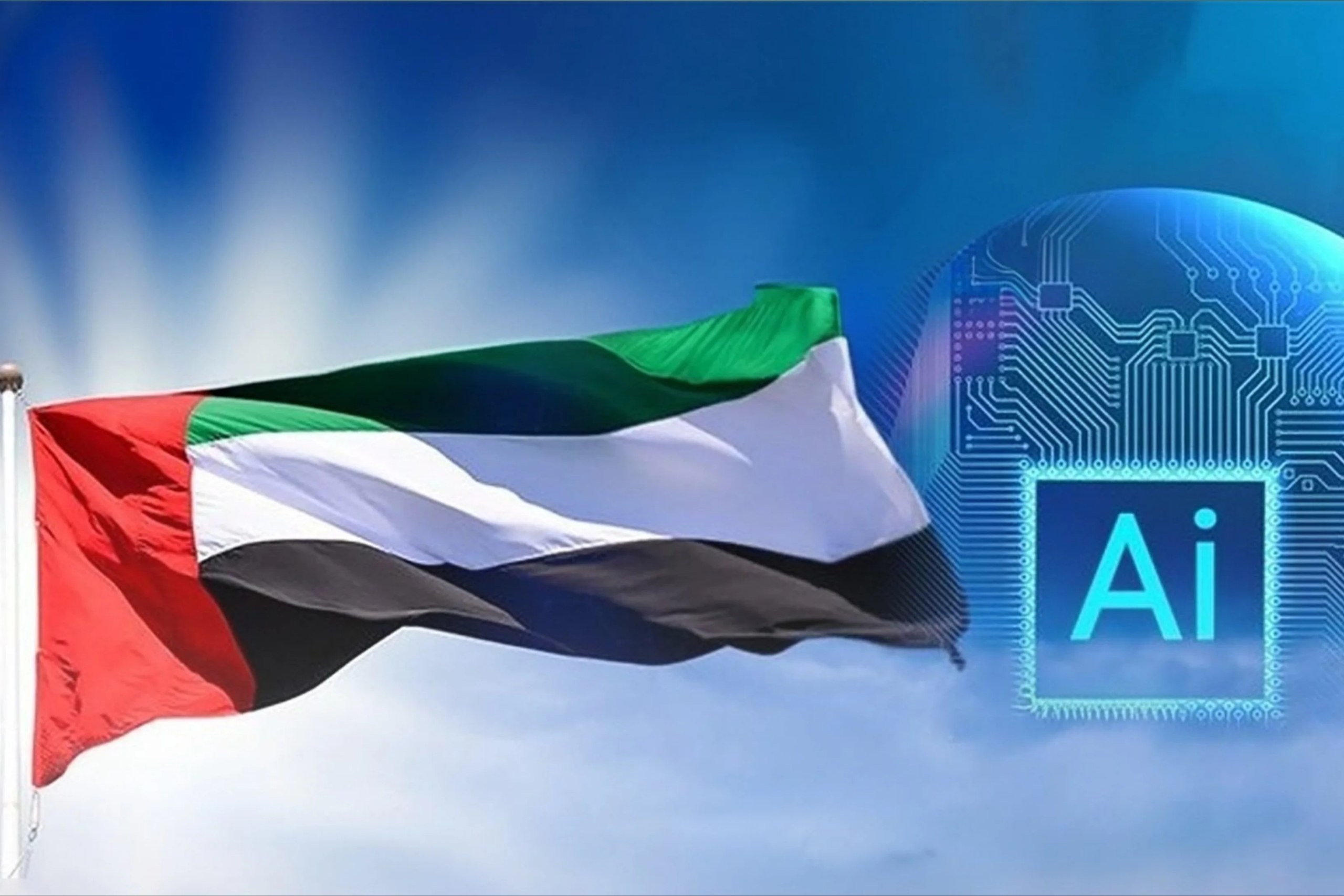
AI is no longer the domain of tech experts or big companies, but is rapidly becoming part of everyday work life worldwide, according to a new Microsoft AI Diffusion Report 2026. The United Arab Emirates has emerged as the world’s undisputed leader in the adoption of generative AI tools, with 70.1% of its working-age population actively using the tools.
This milestone makes the UAE the first country to reach 70% adoption, which demonstrates how quickly AI technologies are being integrated into workplaces, education and daily productivity.
AI Daily Work Companion
The report describes a huge change worldwide in the way people use technology. AI is no longer a futuristic idea. It is used for practical everyday tasks, such as:
- Communication
- Analysis and investigation
- Software development & programming
- Customer Service
- Content creation
- Learning & Productivity Tool
“AI tools are being used by industry workers not just on experimental projects but in their daily work lives.
Why the UAE Is Ahead
The UAE’s rapid rise is due to years of strategic investment in digital infrastructure, AI education and public-private partnerships, experts say. Government-led innovation policies, internet penetration, smart-city initiatives and early adoption strategies have created an environment where AI tools are widely available and socially accepted.
The country’s adoption of AI reportedly grew from about 59% in early 2025 to more than 70% in the first quarter of 2026 – an increase far above the global average.
Global AI Usage Also Rising Steadily
The report shows the UAE is leading the way, but AI adoption is increasing everywhere. By 2026, global AI adoption among working-age populations had reached a steady 17.8%. Multilingual AI models are improving, and more people are coming online in Asia, Europe and the Middle East. This is expanding rapidly.
Companies are also promoting their employees to use AI tools to improve efficiency and competitiveness.
The AI race is moving from hype to real use
One of the biggest learnings we got from the report is that AI use is moving beyond the hype cycle. The focus is shifting from promises about the future to practical application in workplaces, education, health systems and government services.
For many economies, the real question is no longer whether AI will go mainstream — but how quickly societies will be able to adapt to the transformation.
Discover More Stories Worth Your Time
Check Will Visa Rules Change?
Discover what West Bengal’s new government could mean for Indian medical visa applicants.
Explore Why Hajj Safety Matters?
Discover the latest health warning after Bangladeshi pilgrim deaths during Hajj 2026.
Find How To Get EV Loan?
Explore the step-by-step process for applying to Bangladesh Bank’s Tk 80 lakh green loan.
See When PayPal May Launch?
Discover what Bangladesh’s new PayPal committee means for freelancers and online payments.
Learn How To Book Eid Trains?
Explore special train routes, timings, and how to pre-book tickets through the rail app.
UAE: Global benchmark for AI
The UAE is increasingly being touted as a global case study of how national-level AI strategies can translate into tangible, real-world adoption. Its first place in the Microsoft report will likely cement the country’s reputation as a leading centre for technology and innovation for years to come.
As AI increasingly infiltrates industries around the world, reports like this imply the technology is becoming as commonplace in workplaces as smartphones and cloud computing once were.
Summary:
The UAE has become the global leader in AI adoption, with 70.1% of its working-age population using generative AI tools, according to the Microsoft AI Diffusion Report 2026.