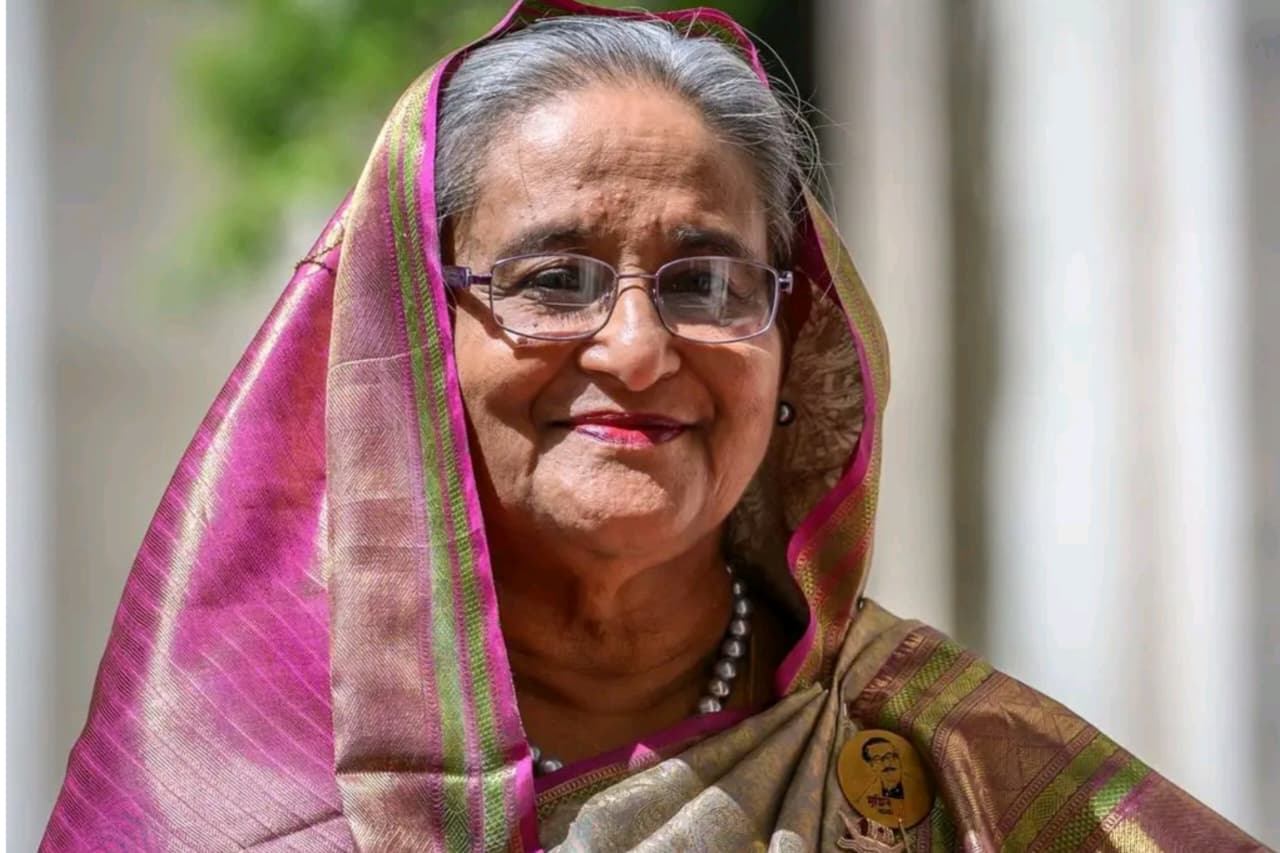
India finds itself in a difficult diplomatic situation with Bangladesh today as a result of a formal Bangladeshi request made to extradite former Bangladeshi Prime Minister Sheikh Hasina on April 14, 2026. The basis for the extradition request stems from the 2024 July Uprising, which resulted in Hasina ending her 15 years as Prime Minister after having been overthrown by students and then fleeing from the uprising’s violence into Delhi, where she has sought refuge.
The India-Bangladesh Extradition Treaty of 2013 is currently undergoing its most intense scrutiny to date. As a result of the Extradition Treaty dispute with Bangladesh, India is now attempting to navigate its way through a corridor that is only a few feet wide, balancing both its obligations under the Extradition Treaty and the need for peace and democracy in the region. While Indian officials have publicly stated the case is “being evaluated,” how it is resolved will serve as a litmus test to India’s neighbourhood policy.
What Triggered the Extradition Demand?
Dhaka’s renewed efforts can also be linked to a significant political transformation within Bangladesh and an adverse ruling: In November 2025, Sheikh Hasina was sentenced to death by an absentia tribunal in Bangladesh for purported crimes relating to the protests in 2024.
The current BNP government made a formal extradition request in April 2026, reiterating this as a prime diplomatic effort. Bangladesh claims that India has an obligation under the treaty to repatriate her pursuant to their current agreement.
Hasina has been in India since 2024 and is regarded today as one of the most politically sensitive persons in regard to South Asia.
New Delhi’s Position: Cautious and Non-Committal
Therefore, as it stands, India has neither accepted nor rejected the BNP’s request for the extradition of Hasina. Rather, India has taken a methodical approach to the request and emphasised processing of the request above politics.
According to the External Affairs Ministry, the following will continue to occur:
- The request will be considered pursuant to the judicial/international laws and procedures of the State of India.
- India will remain engaged in “constructive” discussions with Bangladesh regarding the issue.
- India’s broader strategy is clear: to avoid escalation and maintain a long-term presence in relation to the new leadership in Bangladesh.
The 2013 Extradition Treaty: Why It Matters
The India-Bangladesh treaty for the extradition of criminals consists of multiple provisions that may ultimately govern the outcome of the extradition proceedings.
1. Political Offence Exception
India has the right to reject extradition requests if the ooffenceswith which the offender has been charged are considered political offences. Given the fact that Prime Minister Hasina is a former head of state who was removed from office as a result of mass public protests, this provision potentially may become the centrepiece of the Indian arguments against extradition.
2. Due Process and Good Faith
India has the right to deny an extradition request if, in that country’s estimation:
The trial process is not fair; or
The request is made for political motivations.
3. Dual Criminality Requirement
The alleged crime must also be recognised in accordance with the Indian penal code, which may complicate the prosecution of charges stemming from what are considered to be “crimes against humanity” within a domestic political context.
Legal experts concur that these provisions grant India a considerable degree of discretion in exercising its treaty obligations.
Diplomatic Stakes: Beyond Just One Leader
While extradition is certainly central to this situation, the long-term relationship between India and Bangladesh may also be affected.
Trade and Business Changes?
Both nations are economically reliant on one another (whether they realise it or not), as India exports many goods to Bangladesh and is an important energy partner, while Bangladesh is equally important for connecting India to its northeastern states via physical infrastructure across the land borders of both nations.
If India and Bangladesh have a disagreement, then new infrastructure agreements could be slowed down, as well as cross-border trade facilitation. Additionally, there would likely be more bureaucratic delays at various points along the border between the two nations.
That said, since the economic linkages between India and Bangladesh continue to be strong, full disruption of trade will not be a possibility at this time.
Human Rights and International Law?
A further complication factoring into India’s decision involves the global laws that govern this type of situation. For example, many groups have raised concerns regarding whether prisoners in the Bangladeshi judicial system receive fair trials. If India extradites or transfers to Bangladesh an individual who may be sentenced to death when they arrive in Bangladesh, then this could lead to international criticism of both nations.
Moreover, it is possible that principles related to non-refoulement would also be considered before extraditing any person to another country where there is a risk of execution. Consequently, India will struggle with the dilemma surrounding this matter between its duty to adhere to judicial caution and its obligation to respond to external diplomatic pressure.
Discover More Stories Worth Your Time
Find How Bus Fares Changed?
Explore the full 2026 fare breakdown and what it means for daily passengers.
Learn What Motor Show Offers?
Discover highlights from Dhaka’s biggest auto expo and the latest trends on display.
Explore What Posts Break Law?
Discover how Bangladesh’s cyber laws can turn even simple online content into legal trouble.
Check Is Your Bank Safe?
Explore why viral protests over the Islami Bank takeover are raising fresh concerns.
See Why Chattogram Blacked Out?
Discover what caused the shutdown of power plants and when relief may arrive.
Strategic Balancing Act for India
According to the statement made by India regarding this issue, India has 3 major priorities regarding their actions toward this situation:
1. Maintaining stable relationships with the ruling government of Bangladesh
2. Avoiding the creation of a precedent for political extradition cases
3. Protecting long-term regional stability (in the broader South Asia region)
With respect to having to balance all of these 3 priorities, the decision by the Indian government will be very slow-moving, multilayered and legally complex in its outcome, and most likely not entirely politically based or determined.
Next Steps
Here are 3 possibilities for what will happen going forward:
1. Extradition approved: Unlikely to happen without some sort of legal justification being presented.
2. Extradition denied: This could happen based on either political offence or fair trial concerns.
3. Indefinite postponement: This is currently the most realistic outcome, as it would keep the diplomatic status quo intact.
At this point, India has provided no urgency related to the issues at hand, and it is anticipated that the process will take several months or longer to be resolved.
Conclusions
The extradition case involving Sheikh Hasina is far more than simply a legal matter; it showcases India’s ability to harmonise law and diplomacy while also considering regional politics.
While there is significant pressure from the Bangladeshi government for India to take action, India appears to be focusing more on managing risks associated with the situation than creating a fast resolution.
In the end, the resolution of this issue will likely centre less on the courtroom arguments and the laws of either country and more on the manner in which both countries collaborate with each other to keep their longer-term strategic relationships intact in a region of the world that has historically been sensitive.