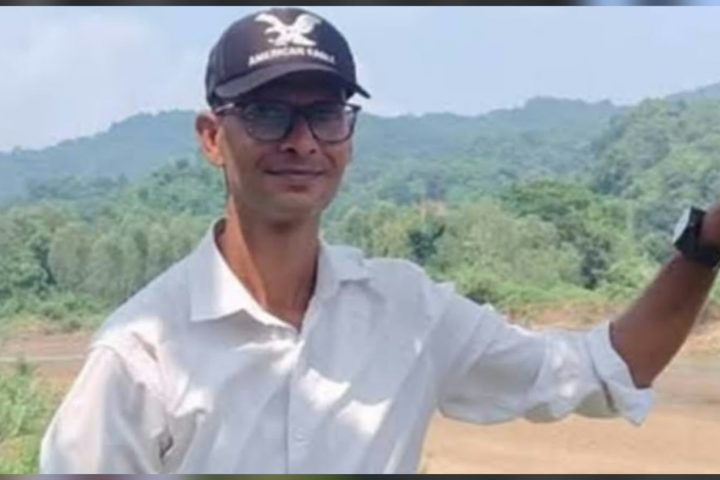

Ranjina Parvin, headteacher of Bagbari Girls’ Government Primary School in Bogura’s Gabtali upazila, had travelled to Dhaka with her husband for treatment at Ispahani Islamia Eye Institute and Hospital in Farmgate.
Around 6:30 am on Saturday, as their rickshaw passed the South Plaza of the Parliament complex on Manik Mia Avenue, two men on a motorcycle approached from behind and grabbed at her bag.
During the struggle, the 56-year-old was pulled from the moving rickshaw and suffered severe head injuries and a fractured spine. She was rushed to Shaheed Suhrawardy Medical College Hospital, where doctors declared her dead.
Arrests Made, but Questions Remain
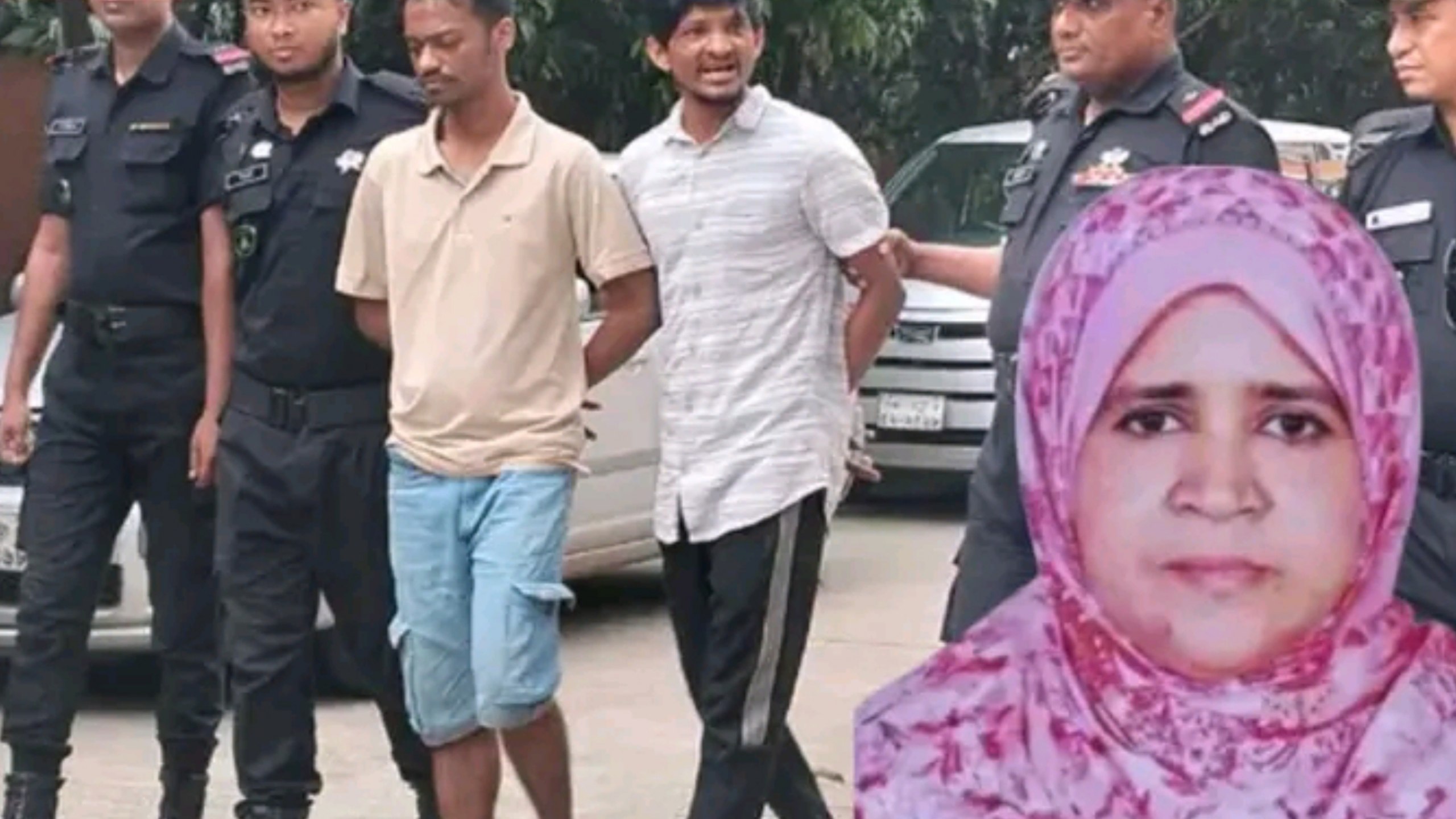
The Rapid Action Battalion arrested two suspects on Sunday, identified as prime suspect Md Poni, alias Para Poni, and an associate, and seized a motorcycle allegedly used in the mugging. RAB described Poni as a professional mugger facing charges in 13 separate cases involving theft, intimidation, burglary, and robbery preparation.
A discrepancy has since emerged between the evidence and the arrests. CCTV footage from the scene reportedly shows a blue motorcycle, while the vehicle RAB recovered was black and white. RAB-2 Commander Additional DIG Naimul Hasan said investigators had not yet confirmed who actually pulled the bag that caused Ranjina to fall.
Nearly 1,400 Known Muggers Still on the Streets
Ranjina’s death has pulled back the curtain on a much larger problem. Dhaka Metropolitan Police currently lists 1,387 people as active muggers across the city, with around 80 per cent of them named in multiple cases.
Yet official crime statistics tell a strikingly different story: only 178 robbery or mugging cases were formally recorded across Dhaka’s 50 police stations in the first seven months of this year, an average of roughly 25 cases a month.
Criminologists argue that the gap reflects underreporting rather than a smaller problem. Many victims, like a man who was held at gunpoint after arriving in Gabtoli on a night bus, never file a police report at all, choosing instead to move on with their day rather than lose time at a station.
Where the Danger Concentrates
The threat is not evenly spread across the capital. Sadarghat, Gabtoli, Gulistan, Kalabagan, Sayedabad, Mohakhali, Motijheel, Fakirapul, and Kamalapur have emerged as particular hotspots, almost all of them major transport hubs where passengers arriving from outside Dhaka pass through before sunrise.
Poor lighting, thin foot traffic, and limited public transport in these early hours combine to make new arrivals easy targets for gangs using knives, scissors, homemade weapons, and sometimes firearms.
By police division, Wari tops the list with 308 active muggers, followed by Tejgaon and Uttara with 240 each, Motijheel with 168, Lalbagh with 159, Ramna with 152, Gulshan with 67, and Mirpur with 53.
Isolated Incident or Organised Pattern?
Police have publicly downplayed the danger. DMP Additional Commissioner for Crime and Operations Mohammad Osman Gani said checkposts and night patrols were already in place and described recent incidents as isolated, adding that there was no reason for public concern.
Criminology professor Dr Md Omar Faruk disagrees sharply with that framing. He argues mugging has shifted from opportunistic crime tied to drug addiction into organised operations run by syndicates in specific areas, some allegedly linked to police, local politics, or other influential networks, compounded by broader economic instability.
He believes the state bears direct responsibility for ensuring public safety and that prevention requires sustained research and intelligence rather than treating each case as unconnected.
Discover More Stories Worth Your Time
See Which Foods Ease Seasonal Changes?
Explore five comforting foods that can help you feel your best.
Explore Why Wages Stay Frozen?
Discover how stagnant minimum wages are affecting Bangladesh’s garment workers and families.
Check How Conflict Hurts Jobs?
Explore why Middle East tensions could threaten Bangladesh’s jobs and poverty gains.
Learn How To Spot H1N1?
Discover H1N1 symptoms, prevention tips, and essential facts for Bangladesh.
Find Which Netflix Picks Worth Watching?
Discover binge-worthy Netflix choices for a relaxing weekend at home.
A Family’s Demand for Justice
For Ranjina’s mother, Jobeeda Khatun, the policy debate is secondary to a more immediate demand. She has called for swift arrest and punishment of everyone responsible for her daughter’s death, while also pushing for broader government action so that people feel safe leaving their homes.
Her daughter had come to Dhaka seeking treatment for her eyes. Instead, her death has turned the city’s attention back to a question it keeps deferring: how safe are Dhaka’s streets in the hours before the city wakes up?
FAQ
Who was Ranjina Parvin?
She was the headteacher of Bagbari Girls’ Government Primary School in Bogura’s Gabtali upazila, who died after being pulled from a rickshaw during a bag-snatching attempt near Dhaka’s Parliament complex.
How many active muggers does Dhaka police say are in the city?
Police records list 1,387 people as active muggers across Dhaka, with about 80 per cent named in more than one case.
Which areas of Dhaka are considered mugging hotspots?
Sadarghat, Gabtoli, Gulistan, Kalabagan, Sayedabad, Mohakhali, Motijheel, Fakirapul, and Kamalapur are cited as particularly high-risk, especially during late-night and early-morning hours.
Summary: The death of headteacher Ranjina Parvin in a mugging near Dhaka’s Parliament complex has renewed scrutiny of the capital’s pre-dawn safety, with police records showing almost 1,400 active muggers concentrated in specific hotspots across the city.