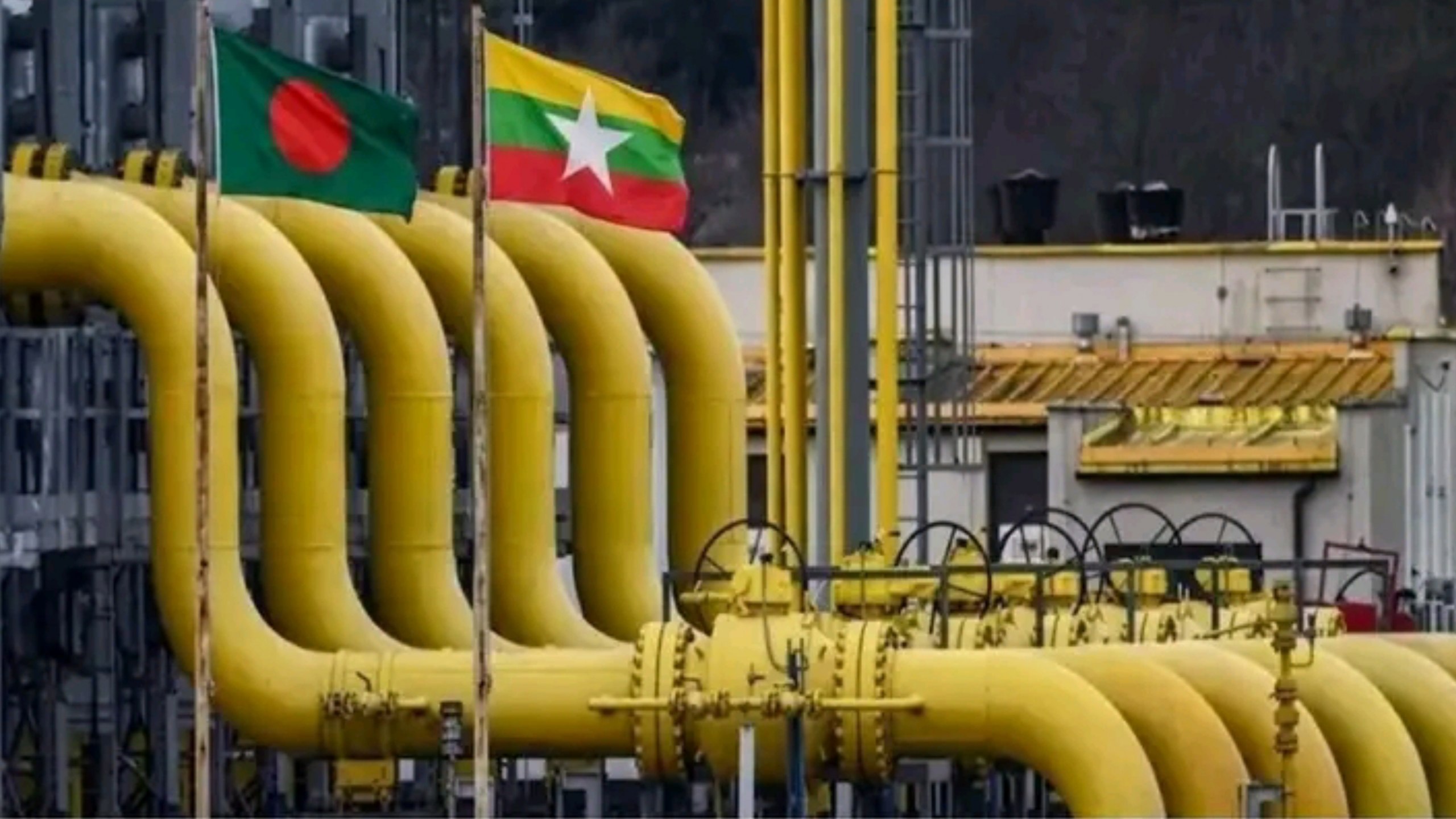
Bangladesh has formally proposed importing natural gas from Myanmar through a cross-border pipeline, reviving a long-dormant plan as the country grapples with a widening domestic supply shortfall. Power, Energy and Mineral Resources Minister Iqbal Hassan Mahmood raised the proposal during a meeting with Myanmar’s ambassador to Dhaka, U Kyaw Soe Moe, who responded positively and suggested that liquefied natural gas shipments could also be explored alongside the pipeline option. The two sides agreed the existing Bangladesh-Myanmar Joint Technical Committee could reconvene to review the idea in detail.
An Old Proposal, Revived Under Pressure
The pipeline concept is not new. A route linking Myanmar’s gas fields to Chattogram was discussed as far back as the mid-2000s, and a related three-way pipeline involving India was floated more than once before stalling. Bangladesh’s renewed interest comes as domestic gas production continues to lag behind consumption, pushing the country toward costlier LNG imports. Officials have framed the pipeline push as part of a broader “Neighbour First” policy aimed at deepening regional energy cooperation.
A Border No Longer Under State Control
The central complication is geography colliding with conflict. Any pipeline route from Myanmar into Bangladesh would have to cross Rakhine State, but that territory is no longer administered by Myanmar’s central government. Since the Arakan Army completed its capture of Maungdaw township in December 2024, the group has held the entire Myanmar side of the roughly 270-kilometer border with Bangladesh, displacing the junta’s forces almost completely from the frontier.
This shift has already strained day-to-day relations. Bangladeshi fishermen and Rohingya residents have been detained by the Arakan Army in large numbers along the Naf River, with hundreds abducted since the group consolidated control, and cross-border incidents involving landmines and armed infiltration have been reported through 2026. Dhaka has responded partly by planning a fenced, technology-monitored border, underscoring how far the relationship has shifted from routine diplomacy toward unilateral security management.
Negotiating With a Non-State Actor
A pipeline agreement is typically negotiated state-to-state, but Bangladesh has no formal channel to the entity that actually controls the relevant stretch of territory. While there have been signs of pragmatic, informal engagement — including a coordinated handover of detained Bangladeshi fishermen earlier this year — the Arakan Army remains outside Myanmar’s official government structure. Any pipeline infrastructure built through the region would depend on security guarantees that neither Naypyidaw nor Dhaka can currently provide unilaterally.
Explore Why Sundarbans Disappear?
Discover how climate change is threatening Bangladesh’s world-famous mangrove forest.
Check How Farmers Benefit?
Explore what the new Farmer’s Card means for growers in Rangpur and Rajshahi.
See Why President May Resign?
Discover the latest political developments surrounding President Shahabuddin’s future.
Find Why Flood Alert Issued?
Explore how a massive monsoon cloud band could affect Bangladesh’s weather.
Learn Which Bangla Series Watch?
Discover three homegrown Bangla web series perfect for your next weekend binge.
Wider Regional Stakes
The proposal also sits inside a larger regional contest over energy corridors. India has periodically revisited its own plans for a pipeline linking Myanmar’s gas fields through Bangladesh into its northeastern states, partly as a counterweight to China’s existing pipeline access to Myanmar’s reserves. A Bangladesh-Myanmar bilateral line could complement or compete with those ambitions, depending on how routing and transit terms are eventually structured.
For now, the pipeline remains at the proposal stage, with the Joint Technical Committee expected to take up the details in future talks. Analysts note that resolving the physical security of the route may prove harder than resolving the commercial terms, given that the relevant authority on the ground is an armed group still fighting a civil war rather than a government able to sign binding energy agreements.
Summary: Bangladesh has proposed a cross-border gas pipeline with Myanmar to ease its energy shortage, but the plan faces a major obstacle: the border area is now controlled not by Myanmar’s government but by the Arakan Army, an armed group locked in conflict with the junta.