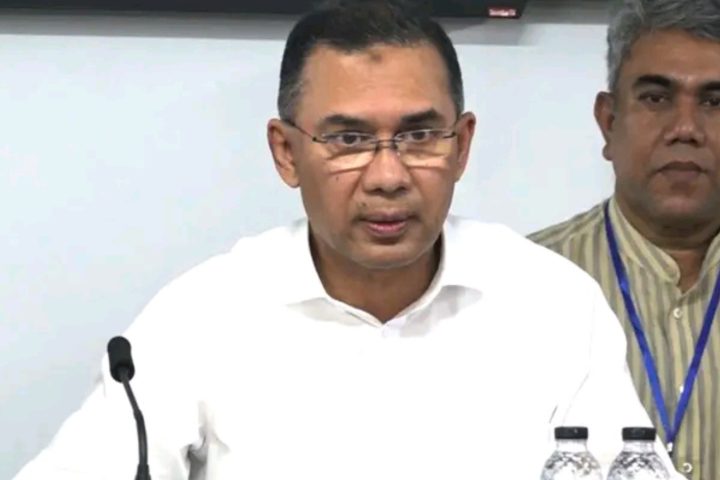
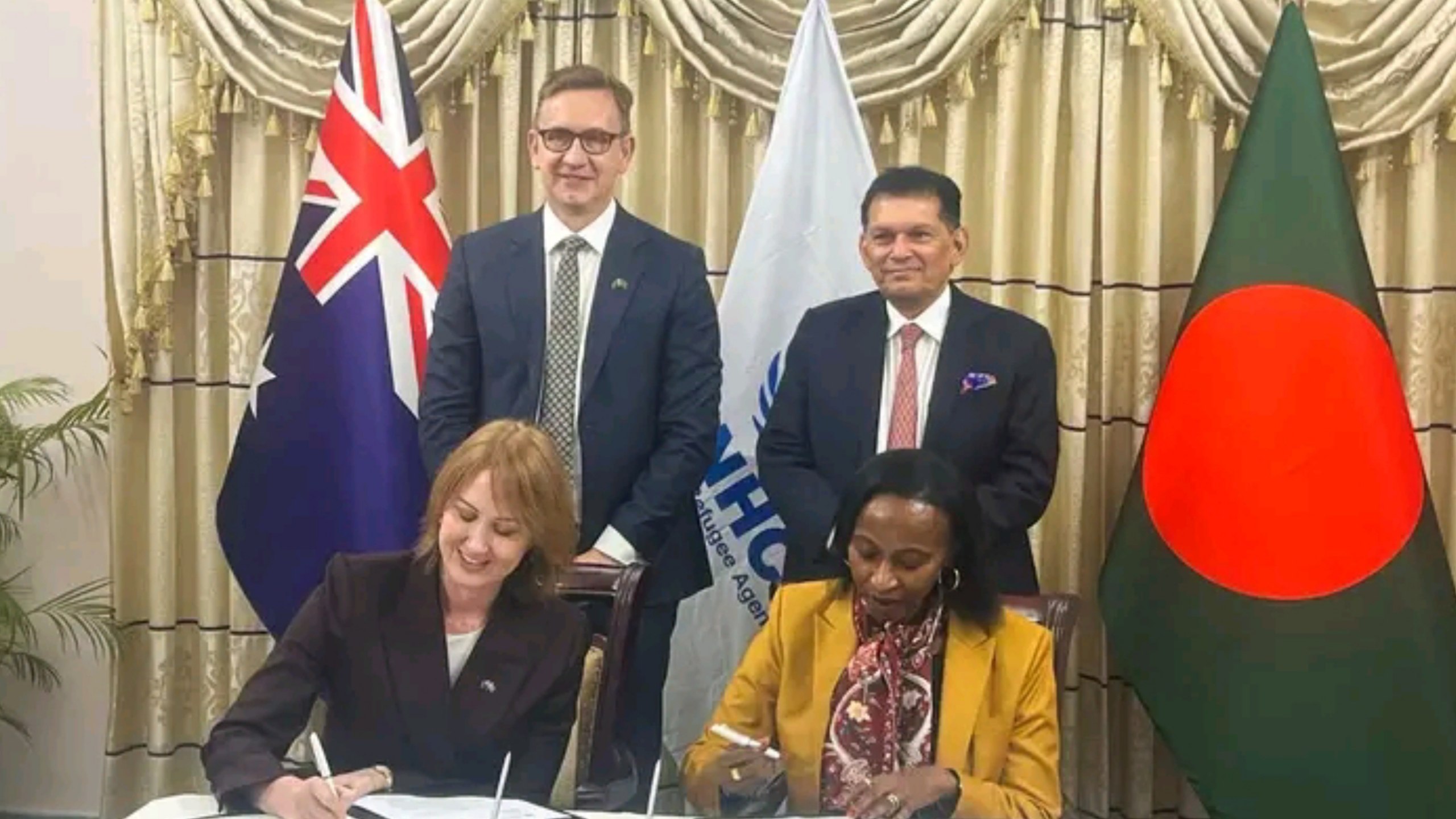
In June, Australian High Commissioner Susan Ryle sat down with Bangladesh’s Home Minister to sign fresh funding agreements with UNICEF and UNFPA, worth a combined AUD 32.5 million, as part of a broader AUD 370 million humanitarian package running through 2028. It is the latest instalment in a relationship that has delivered more than AUD 1.26 billion to Myanmar and Bangladesh since the 2017 exodus, covering everything from child protection and nutrition to reproductive health services for women and girls in Cox’s Bazar. Canberra has been consistent where many donors have wavered, and that consistency deserves recognition rather than being taken for granted.
The Numbers Behind the Strain
Set against the scale of need, though, even generous individual pledges look thin. The 2026 Joint Response Plan sought $710.5 million to reach 1.56 million people — refugees and host-community members combined — and that figure was already 26 per cent lower than the previous year’s appeal, a concession to what aid officials openly call donor fatigue. As of May, the plan remained 37 per cent short. Factor in the broader resilience and disaster-preparedness components tied to the response, and the average funding gap climbs past 70 per cent. The consequences are not abstract: the World Food Programme cut rations for roughly two-thirds of refugees earlier this year, leaving some families living on the equivalent of seven dollars a month, and aid organisations have already laid off thousands of refugee volunteers who kept camp services running.
A Crisis Bangladesh Did Not Create and Cannot Solve Alone
More than one million Rohingya refugees remain confined to camps in Cox’s Bazar and Bhasan Char, barred from formal work and dependent almost entirely on humanitarian assistance, alongside host communities in Ukhiya and Teknaf who have absorbed years of pressure on land, wages, and public services. Bangladesh’s government has repeatedly stressed that it spent close to a billion dollars of its own resources on the response between 2017 and 2022 alone, and officials have been blunt in recent months that managing the crisis is a shared regional and global responsibility — not something one country should be left to underwrite indefinitely. That argument only grows harder to dismiss as the situation across the border in Myanmar deteriorates further, with conflict inside Rakhine State making any near-term prospect of safe, voluntary repatriation look increasingly remote.
Why Australia’s Model Matters — And Why It Isn’t Enough on Its Own
What makes Australia’s approach worth highlighting is its structure, not just its size. Multi-year, flexible funding — the kind Canberra has offered through its latest UNICEF and UNFPA agreements — is precisely what humanitarian agencies say they need most, because it lets them plan services years rather than months in advance, instead of scrambling every budget cycle. If more donor governments adopted that model, the JRP’s chronic shortfalls would shrink considerably. But one country replicating best practice cannot substitute for a coalition. Australia’s contribution, however well designed, still represents a fraction of an appeal that is itself already a bare-minimum figure, pared down from what aid agencies say is actually required.
Explore Why Sundarbans Disappear?
Discover how climate change is threatening Bangladesh’s world-famous mangrove forest.
Check How Farmers Benefit?
Explore what the new Farmer’s Card means for growers in Rangpur and Rajshahi.
See Why President May Resign?
Discover the latest political developments surrounding President Shahabuddin’s future.
Find Why Flood Alert Issued?
Explore how a massive monsoon cloud band could affect Bangladesh’s weather.
Learn Which Bangla Series Watch?
Discover three homegrown Bangla web series perfect for your next weekend binge.
The Real Test Ahead
The ninth year of displacement is not the moment for the international community to quietly scale back, yet that is precisely what the funding trajectory shows. Australia’s renewed pledge is a genuine act of solidarity and a model other donors could usefully copy. But solidarity from one partner cannot substitute for a functioning global response. Unless other governments step back in with comparable seriousness, the gap between what the Joint Response Plan needs and what it receives will keep widening — and it will be Bangladesh, not the donors debating their budgets from a distance, that absorbs the difference.
Summary: Australia has renewed its multi-year commitment to Rohingya relief in Bangladesh, pledging AUD 370 million through 2028 and pushing its total support past AUD 1.26 billion since 2017. The gesture is real and welcome. But it arrives just as the broader international response collapses — the 2026 Joint Response Plan is 37 per cent underfunded — leaving Bangladesh to absorb a widening gap in a crisis now entering its ninth year.