
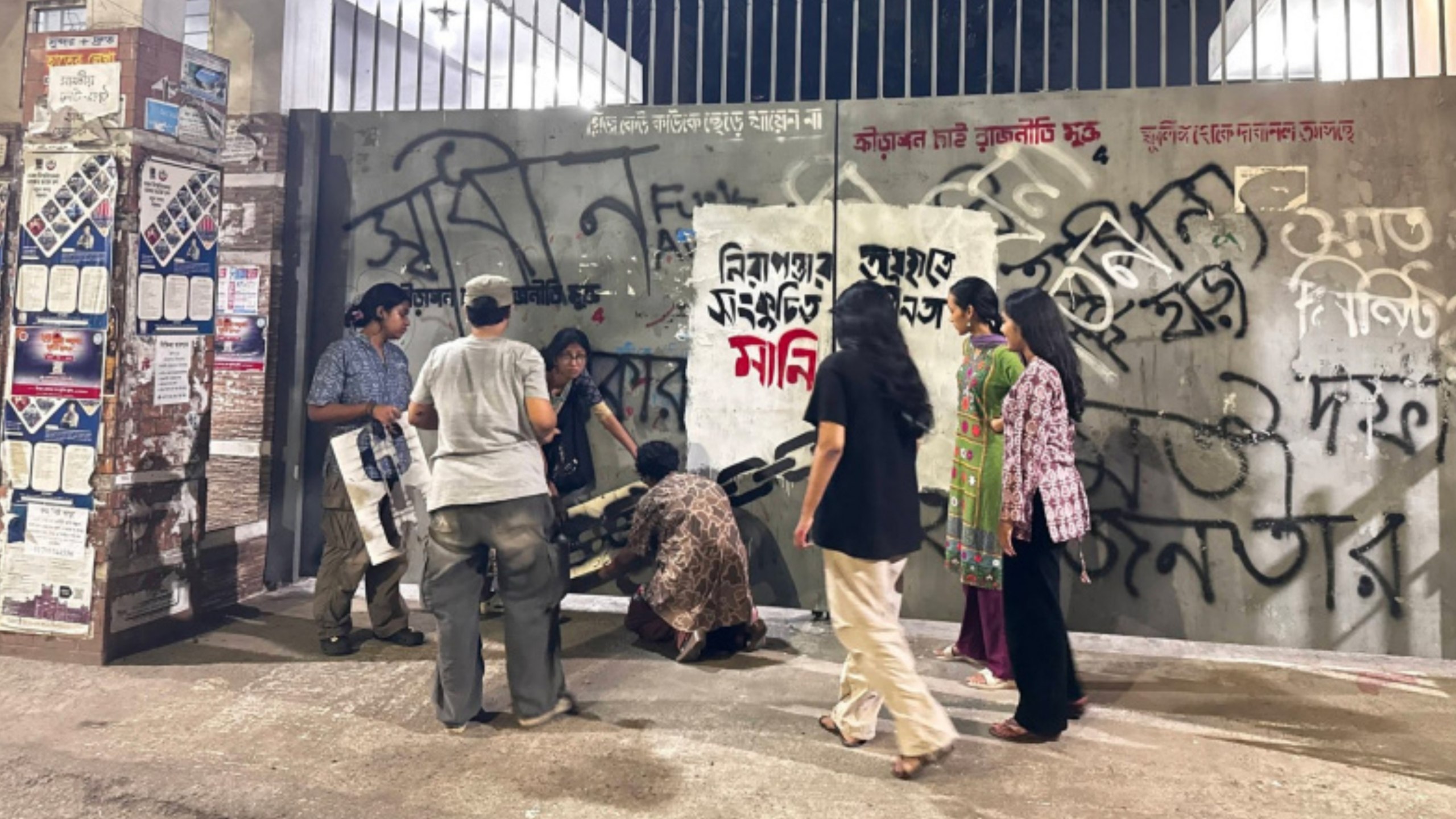
Dhaka University has been the intellectual heart of Bangladesh for generations, producing leaders, academics and movements. The institution is growing academically, but many students and rights advocates say some campus rules, especially those affecting women, have not kept pace with today’s expectations of equality and personal freedom. The debate over the rules of the Dhaka University women’s hostel has once again caught the public discourse. Critics have described restrictions on female students as outdated and an unnecessary constraint on adult women while supporters insist the rules are for safety and discipline. With conversations around gender equality taking off, many believe the university has a chance to look back at policies that impact the daily lives of thousands of students.
Why the Debate Has Returned
The discussion centers on regulations in women’s residential halls, including curfews, guest policies, and movement restrictions that are often stricter than those applied to male students. Student groups and women’s rights advocates argue that these differences create unequal standards. They believe adult university students should be treated as responsible individuals capable of making their own decisions rather than being subject to paternalistic restrictions. In recent months, renewed public attention through social media discussions and student activism has encouraged fresh calls for reviewing these policies, with many emphasizing that safety should not come at the expense of personal freedom.
Changing Society Calls for Modern Campus Policies
Bangladesh has witnessed significant social and economic progress over the past two decades. More women than ever are pursuing higher education, joining the workforce, and taking leadership roles in public life. Against this backdrop, many observers believe university policies should reflect these broader societal changes. Supporters of reform argue that modern campuses should focus on creating secure environments through improved security infrastructure, better lighting, surveillance systems, and emergency support rather than relying primarily on restrictive curfews. They say empowering students with freedom and responsibility better prepares them for professional life after graduation.
Explore Why Sundarbans Disappear?
Discover how climate change is threatening Bangladesh’s world-famous mangrove forest.
Check How Farmers Benefit?
Explore what the new Farmer’s Card means for growers in Rangpur and Rajshahi.
See Why President May Resign?
Discover the latest political developments surrounding President Shahabuddin’s future.
Find Why Flood Alert Issued?
Explore how a massive monsoon cloud band could affect Bangladesh’s weather.
Learn Which Bangla Series Watch?
Discover three homegrown Bangla web series perfect for your next weekend binge.
Balancing Safety and Independence
University officials often cite parental expectations and student safety to justify the rules. But the urban safety issues in Bangladesh are real and institutions have responsibility to ensure safety of students living on the campus. But education experts say safety measures can go hand-in-hand with greater autonomy. Instead, they could increase campus security, improve transportation options at late hours, improve the complaint system, and establish rapid emergency response systems. Such approaches are increasingly being used at universities around the world. Many see these alternatives as providing protection without treating women differently to their male counterparts.
FAQs
1. Why the controversy over the rules for women’s hostels of Dhaka University?
Some rules for female students are stricter than for male students and many students and rights advocates believe they should be scrutinized for fairness.
2. What is being proposed?
It suggests that curfews be reviewed, restrictions on movement be eased, security on campus be improved and that all students be treated equally.
3. Why do supporters defend the current rules?
Supporters say the rules are helpful because they protect students and address safety concerns, especially when students are living in university accommodation.