

International Day of the Victims of Enforced Disappearances, observed worldwide on August 30. In his message, the prime minister described enforced disappearance as one of the most serious crimes in the world and an extreme violation of human rights.
“It is a global problem, particularly in authoritarian systems and politically conflicted regions.”
He said such crimes occur most often under autocratic rule, where state security forces and law enforcement agencies have preferred brutal and ruthless methods against dissidents to suppress anti-government movements.
The Human Cost Behind The Statistics
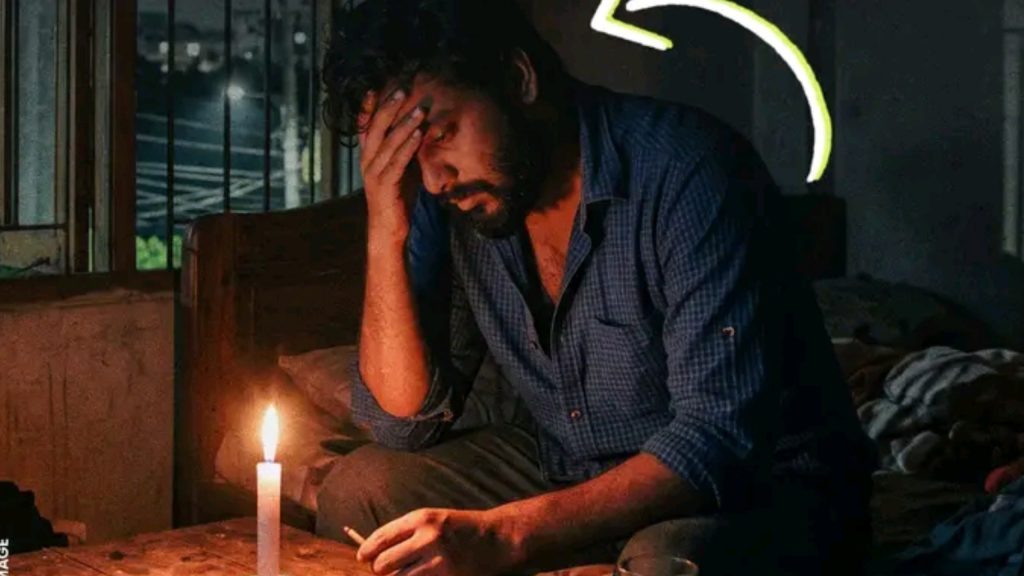
Tarique Rahman emphasised that a disappearance is not simply the loss of one person but something that shatters the dreams, hopes, and aspirations of an entire family. He noted that relatives of the disappeared continue to wait in an uncertain reality, unable to grieve normally, with no end in sight to their search for answers.
He extended what he called his deepest sympathy and condolences to victims of enforced disappearance in Bangladesh and around the world, along with their families, and called for global unity and solidarity to ensure justice and accountability for those responsible.
Recalling Bangladesh’s Own History
The prime minister referenced the 2024 mass uprising that led to the fall of the previous government, which he said had systematically used enforced disappearances and abductions to suppress dissent, in some cases detaining people for months or years at secret detention sites known locally as “Ainaghar.” While some victims were able to return home after the government’s fall, Tarique Rahman noted that the whereabouts of many others, including prominent opposition figures Ilias Ali and Chowdhury Alam, remain unknown to this day.
Legal Steps Already Underway
To address past cases, Tarique Rahman said his government has begun trials following an investigation into each incident, with no one to be spared accountability. Parliament has already seen the introduction of two bills tied to this effort: the Enforced Disappearance Prevention and Redress Bill, 2026, and the National Human Rights Commission Bill, 2026. The government expects that once enacted, these laws will act as a lasting deterrent against future state-sponsored abductions.
That legislative push follows a cabinet decision on August 3, 2026, giving final approval to a related act that formally recognises enforced disappearance as a distinct criminal offence, carrying penalties of life imprisonment and fines. Separately, the law minister told parliament in April that 1,855 cases covering killings, disappearances, and torture from the previous administration have been filed nationwide, with investigations completed and charge sheets submitted in 158 of them so far.
Discover More Stories Worth Your Time
Explore Why Sundarbans Disappear?
Discover how climate change is threatening Bangladesh’s world-famous mangrove forest.
Check How Farmers Benefit?
Explore what the new Farmer’s Card means for growers in Rangpur and Rajshahi.
See Why President May Resign?
Discover the latest political developments surrounding President Shahabuddin’s future.
Find Why Flood Alert Issued?
Explore how a massive monsoon cloud band could affect Bangladesh’s weather.
Learn Which Bangla Series Watch?
Discover three homegrown Bangla web series perfect for your next weekend binge.
A Broader Commitment
Tarique Rahman also used the message to reaffirm his government’s commitment to the aspirations of freedom fighters, victims of past democratic movements, and those killed or injured during the July uprising, acknowledging that limited resources mean not everything can be achieved quickly. He said the losses suffered by affected families can never truly be compensated, but pledged that the government would continue standing by them.
The message arrives as 2026 marks the 20th anniversary of the International Convention for the Protection of All Persons from Enforced Disappearances, observed globally this year under the slogan “Victims first. Actions now,” with the United Nations continuing to call on all states to ratify and fully implement the treaty.
Summary: Prime Minister Tarique Rahman issued a message on August 29, 2026, ahead of the International Day of the Victims of Enforced Disappearances, calling the practice one of the most heinous crimes in the world. He pointed to ongoing trials and two new bills before parliament while noting that figures like Ilias Ali and Chowdhury Alam remain missing years after Bangladesh’s 2024 mass uprising.