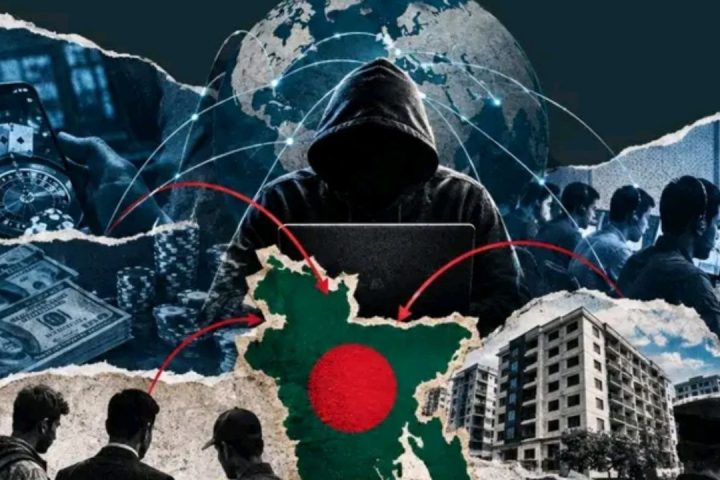
Bangladesh authorities are weighing a new proposal that would allow selected Rohingya refugee families to open controlled bank accounts, in a move aimed at diverting informal hundi remittances into the formal banking system and curbing their misuse for crime and terror financing.
What The Proposal Recommends
According to an intelligence report prepared last month for the foreign ministry, the plan calls for an initial pilot project covering around 1,000 vetted Rohingya families. Accounts opened under the scheme would come with biometric verification, transaction ceilings, and real-time monitoring by Bangladesh Bank and the Bangladesh Financial Intelligence Unit (BFIU). The report notes that hundi transactions leave no audit trail and can be exploited for drug trafficking, arms trading, human trafficking and terrorism financing.
The Scale Of Hundi Flows Into The Camps
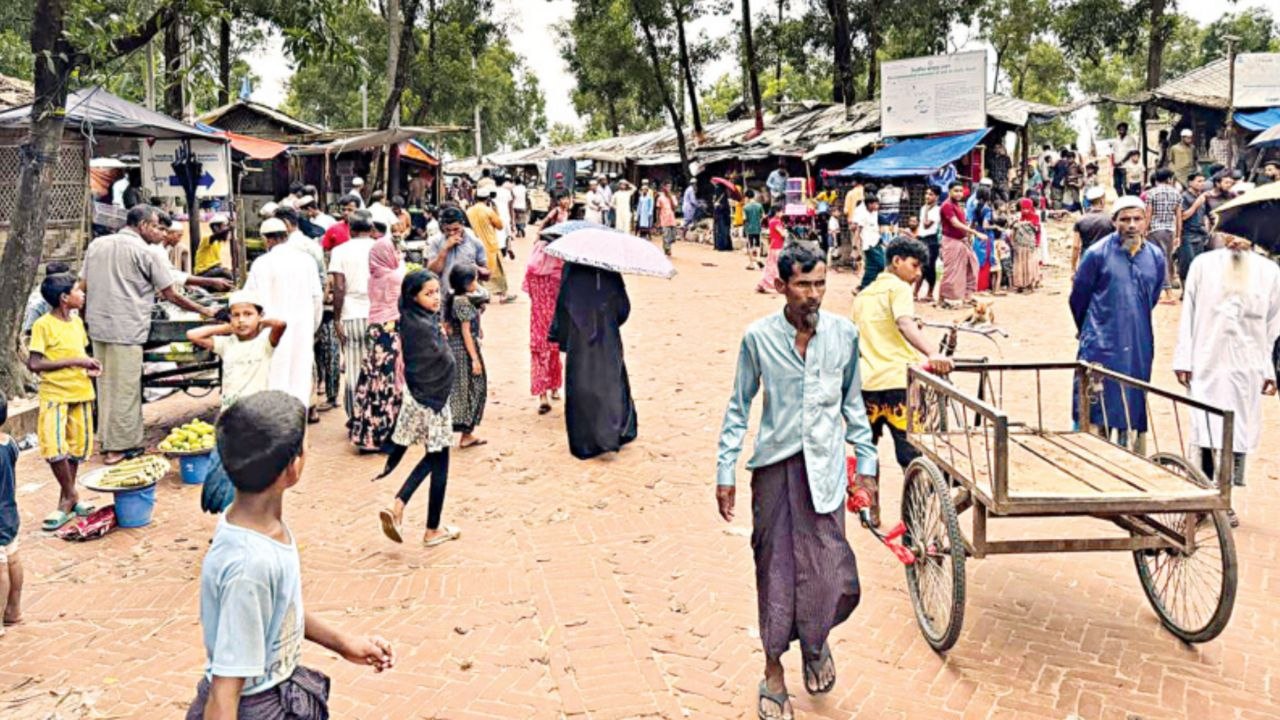
The report estimates that around Tk 80 crore enters Rohingya camps every month through hundi, an informal cross-border money transfer system that bypasses legal banking channels, adding up to nearly Tk 960 crore a year.
Much of this money is believed to come from the Rohingya diaspora working in countries like Malaysia and Saudi Arabia, who currently have no legal way to send remittances directly to relatives sheltering in Bangladesh’s camps.
Why Formal Banking Access Has Been Limited
Since Rohingya refugees do not hold Bangladeshi National ID cards, they are technically barred from registering SIM cards or opening mobile financial service accounts, yet investigations have found many still use such services informally, sometimes relying on local agents willing to bypass the rules.
Bangladesh Bank spokesperson Arief Hossain Khan acknowledged that hundi and money laundering do occur in the camps, largely because refugees remain outside the formal banking system out of necessity. He said bringing Rohingyas into formal banking could help reduce such activity, but noted the decision would require government approval, since it involves changes to existing laws and regulations.
Discover More Stories Worth Your Time
Explore What Follows Shahabuddin’s Exit?
Discover how Bangladesh’s leadership could change after the president’s departure.
Check Why Assault Case Filed?
Explore the allegations involving actress Snigdha Chowdhury and the Ashiyan chairman.
See How Microplastics Spread?
Discover why Bangladesh’s rivers, salt pans, and fish markets are raising concern.
Find Why Wetlands Face Threat?
Explore how invasive turtles are disrupting biodiversity in Dhaka’s waterways.
Learn Why Army Took Custody?
Discover the latest developments in the Brig Gen Miftah Uddin tribunal case.
Experts Remain Sceptical
Not everyone is convinced the plan will work as intended. Some experts have cautioned that the move may do little to actually curb hundi and narcotics networks, since the informal system exists precisely to facilitate such activity regardless of formal banking access.
They also point out that creating residency-linked bank records for refugees carries its own complications, and that tracing the true origin of remittances would likely remain difficult even under a controlled account system.
Why It Matters
With more than a million Rohingya refugees sheltering in Cox’s Bazar and international humanitarian funding under increasing strain, finding a safer channel for remittances could reduce refugees’ dependence on informal networks linked to criminal activity.
But as the proposal awaits a government decision, the debate over whether controlled banking access can genuinely dismantle deep-rooted hundi networks, or simply formalise a narrow slice of them, remains far from settled.