
Dhakai Muslin, the famously fine cotton once called “woven air,” is making a comeback in Bangladesh. A government-led effort is recovering its rare raw cotton, lost spinning methods and weaving skills. The work has moved beyond research into training, small-scale production and rural job creation.
What Was Lost
Dhakai muslin was an extremely fine handwoven fabric made around Dhaka. It was prized across Mughal India, the Middle East and Europe for its near-transparent lightness and very high thread count. Production largely disappeared nearly two centuries ago. The decline is commonly linked to colonial-era disruption and the loss of Phuti karpas, the native cotton plant used to make its yarn.
The Revival Project
The initiative is called Bangladesh’s Golden Heritage: Muslin Yarn Making Technology and Revival of Muslin Fabrics. The Bangladesh Handloom Board, under the Ministry of Textiles and Jute, launched it in 2018 with an initial budget of Tk 12.1 crore. Its goals are to identify the original cotton, recover the technology, train artisans and restore muslin as both heritage and a product with economic value.
Finding Phuti Karpas Again
The key breakthrough was rediscovering and growing Phuti karpas. Researchers compared plant samples with historical muslin thread held in a London museum, using DNA testing. They found an almost fully compatible plant in Kapasia, Gazipur.
Rebuilding the Craft Chain
The project did not stop at replanting cotton. It rebuilt the whole process:
- Growing Phuti karpas on experimental farms to improve yields
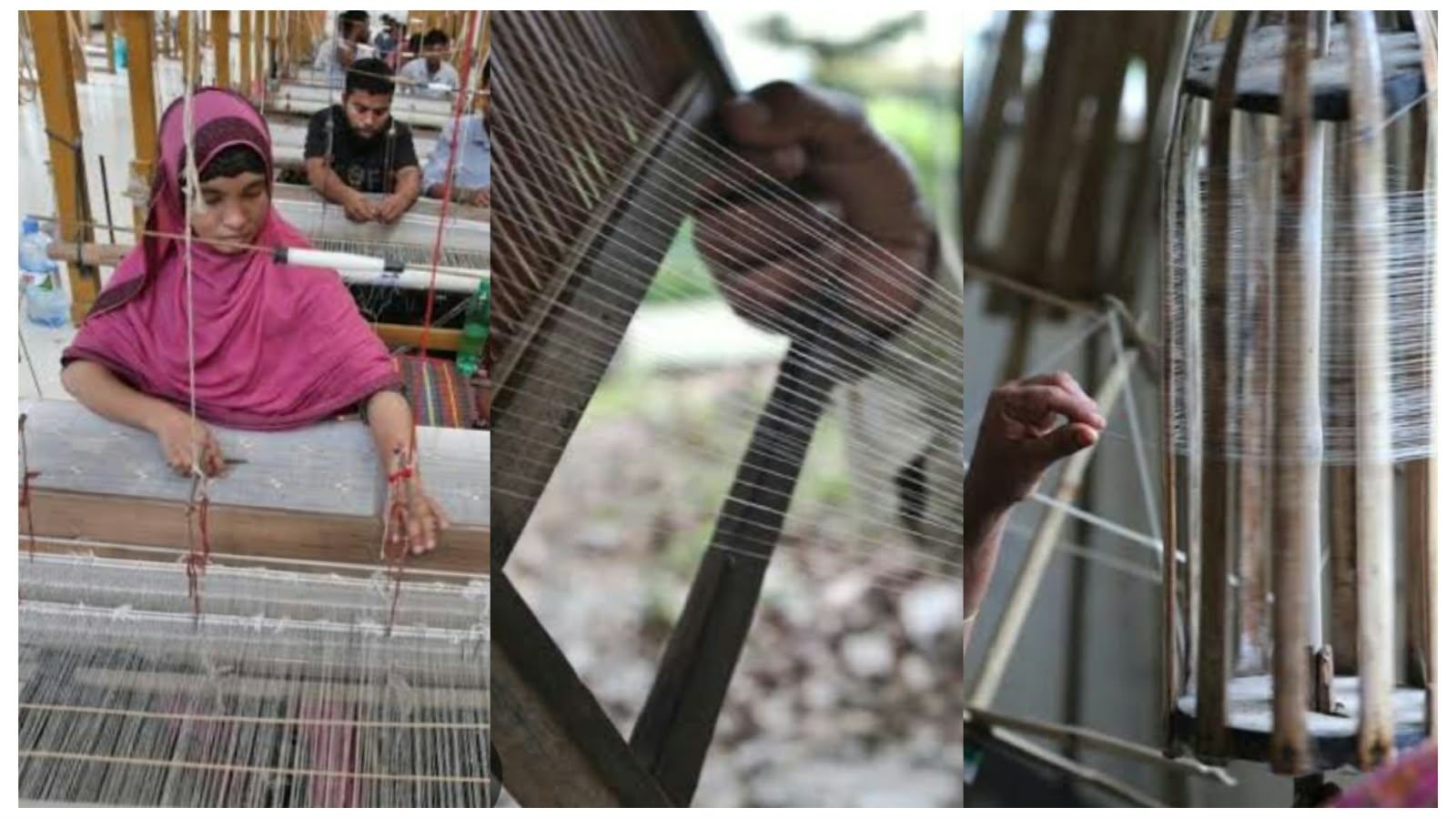
- Relearning traditional spinning on wooden wheels to make very fine yarn
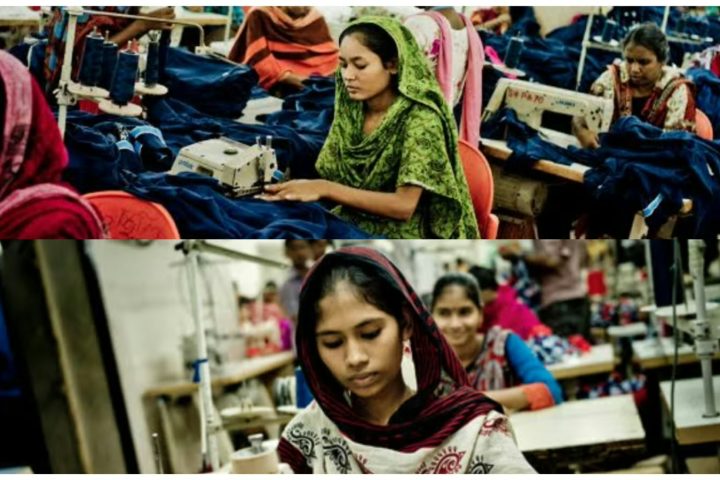
- Training weavers for more than a year in hand-drawn loom techniques
- Producing yarn reported at a 750 thread count, a major technical milestone
The first phase focused on recovering the yarn, the fabric-making process and Dhaka muslin sarees. A second phase began in 2023 to make production sustainable and bring in private-sector participation.
Why It Matters Now
The effort is increasingly seen as more than heritage conservation. Reports describe it as a source of employment, a way to empower women artisans and the base of a rural artisan economy built around a textile the world recognises. Authentic Dhakai muslin could become a premium heritage export while protecting skills that were close to vanishing.
The Challenge Ahead
The next test is scale. Producers must keep quality high, expand cotton cultivation and make sure artisans, not only brands, share the fabric’s renewed value.