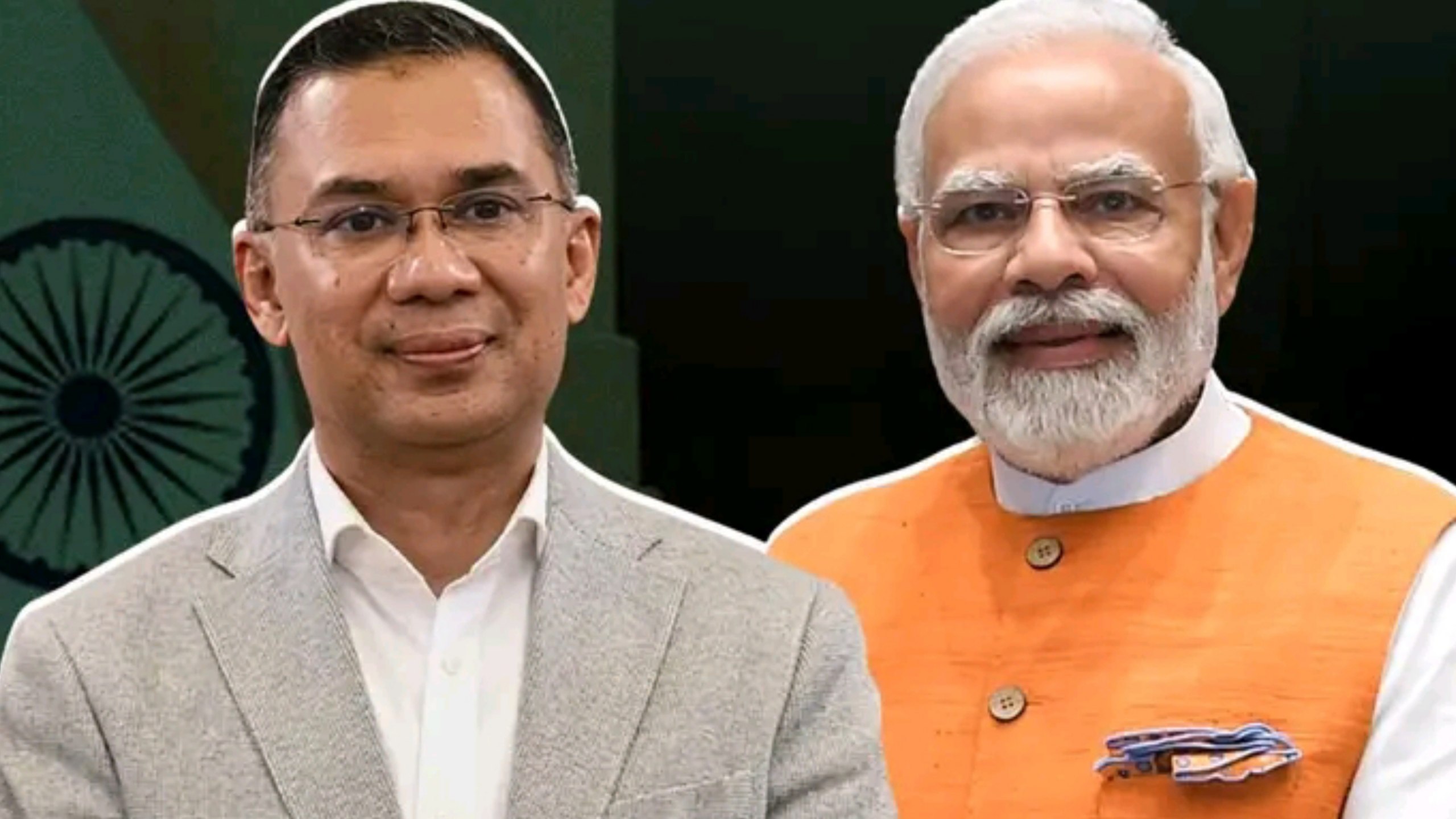
Bangladesh says its prime minister was invited to the wrong summit under the wrong title. Dig deeper, and the real reason has a name. Sheikh Hasina. Bangladesh’s State Minister for Foreign Affairs Humaiun Kobir has been clear about the technical objection. India invited Prime Minister Tarique Rahman to the BRICS outreach session, but addressed him as chair of BIMSTEC, not as Bangladesh’s head of government. Kobir said the prime minister’s first visit to India cannot be a multilateral one, and that bilateral visits will happen once conditions are favourable and mutual respect is maintained. India’s Ministry of External Affairs, for its part, says it has received no confirmation from Dhaka either way.
What’s Really Driving The Standoff
Officials close to the matter describe a more complicated picture. One regional expert pointed directly to what he called the Sheikh Hasina factor, alongside what he described as radical elements in Bangladesh, as reasons the current government is being deliberately careful about any move that could be read as warming to India.
The tension traces back to August 5, when Hasina addressed a press conference from New Delhi through the Foreign Correspondents Club of South Asia. She said she intended to return to Bangladesh in December to restore democracy, even at the risk of imprisonment or a death sentence. Bangladesh’s government responded with outrage, calling her an “absconding, convicted genocider” and saying the event had hurt public sentiment and could damage efforts to repair bilateral ties. India’s foreign ministry said it had no role in organising the event and did not endorse anything said there.
A Government Boxed In
Rahman’s BNP holds a comfortable majority in parliament, but analysts say he cannot afford to ignore public mood at home. Accepting India’s summit invitation, even informally, risks being read domestically as tacit acceptance of Hasina’s continued asylum in India, at a time when Dhaka is actively pushing for her extradition. Bangladesh’s interim government has repeatedly renewed that extradition request since Hasina fled in August 2024, following her removal in a student-led uprising. India has said only that it is still examining the matter. In November 2025, Bangladesh’s International Crimes Tribunal sentenced Hasina to death in absentia over the 2024 crackdown on protesters, a verdict she has dismissed as politically motivated.
Discover More Stories Worth Your Time
See Why Rising Seas Threaten Dhaka?
Discover why the UN warns millions across Mumbai, Kolkata, and Dhaka face immediate coastal risks.
Find Why Trump Praised Tarique?
Explore what the US president’s letter says about the Boeing aircraft deal.
Learn How Adani Supply Returns?
Discover how Bangladesh’s payment settlement helped restore full electricity supply from the Godda plant.
Explore Why Dengue Cases Rising?
Discover what is driving Bangladesh’s latest dengue surge and the health concerns emerging nationwide.
A Wider Geopolitical Drift
The Hasina dispute has not stayed contained to itself. It has coincided with Bangladesh drifting closer to Pakistan and China than at any point since its founding in 1971. When Rahman took his first major trips abroad after taking office, he went to Malaysia and China before India. Hasina’s son has publicly claimed this tilt is deliberate. India, meanwhile, faces its own bind. Handing Hasina over would look like abandoning a longtime ally, but continuing to shelter her keeps fueling anti-India sentiment inside Bangladesh.
Where Things Stand
India’s High Commissioner to Dhaka met separately with Rahman and reiterated that Bangladesh’s extradition demand did not move the needle. A bilateral visit remains on the table for whenever “the environment is favourable,” according to Dhaka, but no date has been set. For now, Rahman’s empty seat at the BRICS outreach session in Delhi says less about summit protocol and more about how far Bangladesh-India relations have fallen since the day Hasina landed in New Delhi.