
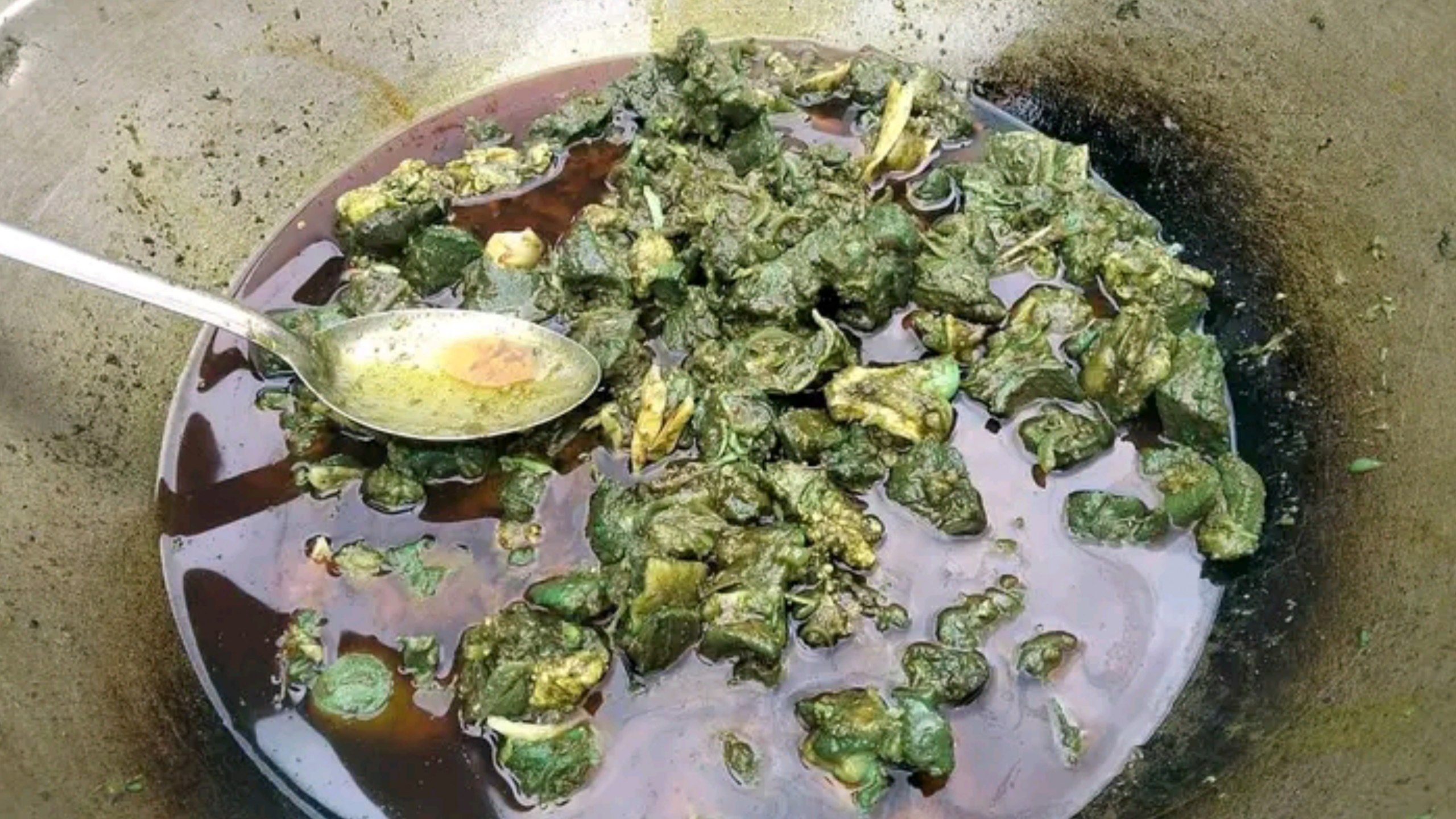
A strange incident took place when cooked beef in Khulna suddenly changed colour in the pot while preparing an ordinary lunch. It started as a regular kitchen job in a small bakery in the Paikgachha upazila. Now it is a talking point in the whole of the district. It is a simple question, but a worrying one. Is the meat we eat safe?
What happened in the eatery at Paikgachha?
The staff at Modern Bakery watched as the beef cooked to an odd shade of green. Alarmed, they first showed the pot to the upazila nirbahi officer and later took it to Paikgachha Police Station for recording and investigation. The pot was later taken away by local police for further checking, and samples are being sent to a laboratory in Dhaka for chemical analysis, it said.
Why the change in colour matters
It can be changed for various reasons, said a food safety officer of the Khulna office of Bangladesh Food Safety Authority. It could be a chemical reaction in the cooking pot itself, contact with a cleaning agent or actual meat adulteration before it reached the kitchen. Officials said lab results will determine if this was accidental or intentional adulteration, but nothing is confirmed yet.
The Bigger Picture: Bangladesh Meat Supply
This is not just a one-off. Researchers studying the meat trade in Khulna have long expressed concerns about the absence of proper monitoring of slaughterhouses and markets, where limited staff and equipment sometimes fail to catch unsafe practices. The incident serves as a reminder for families who buy their meat fresh from the open market, rather than sealed and branded suppliers. In these cases, quality control is often a matter of the vendor’s honesty rather than formal testing.
Discover More Stories Worth Your Time
Explore Which Water Project Matters?
Discover the scale and impact of Bangladesh’s biggest water project in years.
Check What Changed Six Months?
Explore the BNP government’s progress on major policies since the February election.
See Why Border Tensions Continue?
Discover what BGB-BSF talks reveal about push-in disputes and bilateral relations.
Find Why Pori Stays Trending?
Explore the relationship drama keeping Bangladesh fascinated with Pori’s personal life.
Learn Who Hurts Fishermen Most?
Discover how middlemen, rather than nature, are cutting into hilsa fishermen’s incomes.
Checks You Can Do As A Buyer At Home
- Buy from the normal, known vendors, not unknown stalls.
- The meat should be a natural red or pink colour and not grey or green or too shiny.
- Smell the meat prior to cooking. If it smells sour or chemical, that’s a bad sign.
- Ask the seller where it was slaughtered and where the meat originated from. Report suspicious meat to the nearest Bangladesh Food Safety Authority office or police station.
- Keep meat in the fridge and cook well before eating.
Conclusion
The green beef has yet to be established, and the Khulna case is still under investigation. But it highlights a real disconnect between the meat that makes it to home kitchens and the testing needed to ensure its safety. The best protection a family can have until better inspection systems are available is to be a careful buyer. If you see or smell something wrong with your meat, listen to your instincts and speak up.
Summary: An unusual incident in Khulna, where cooked beef turned green in the pot, triggered widespread concern over meat safety and potential adulteration. While samples have been sent to a laboratory in Dhaka for chemical analysis, experts emphasise ongoing gaps in slaughterhouse monitoring across Bangladesh. To protect themselves, consumers are advised to buy from trusted vendors, inspect colour and smell, and report suspicious meat to authorities