
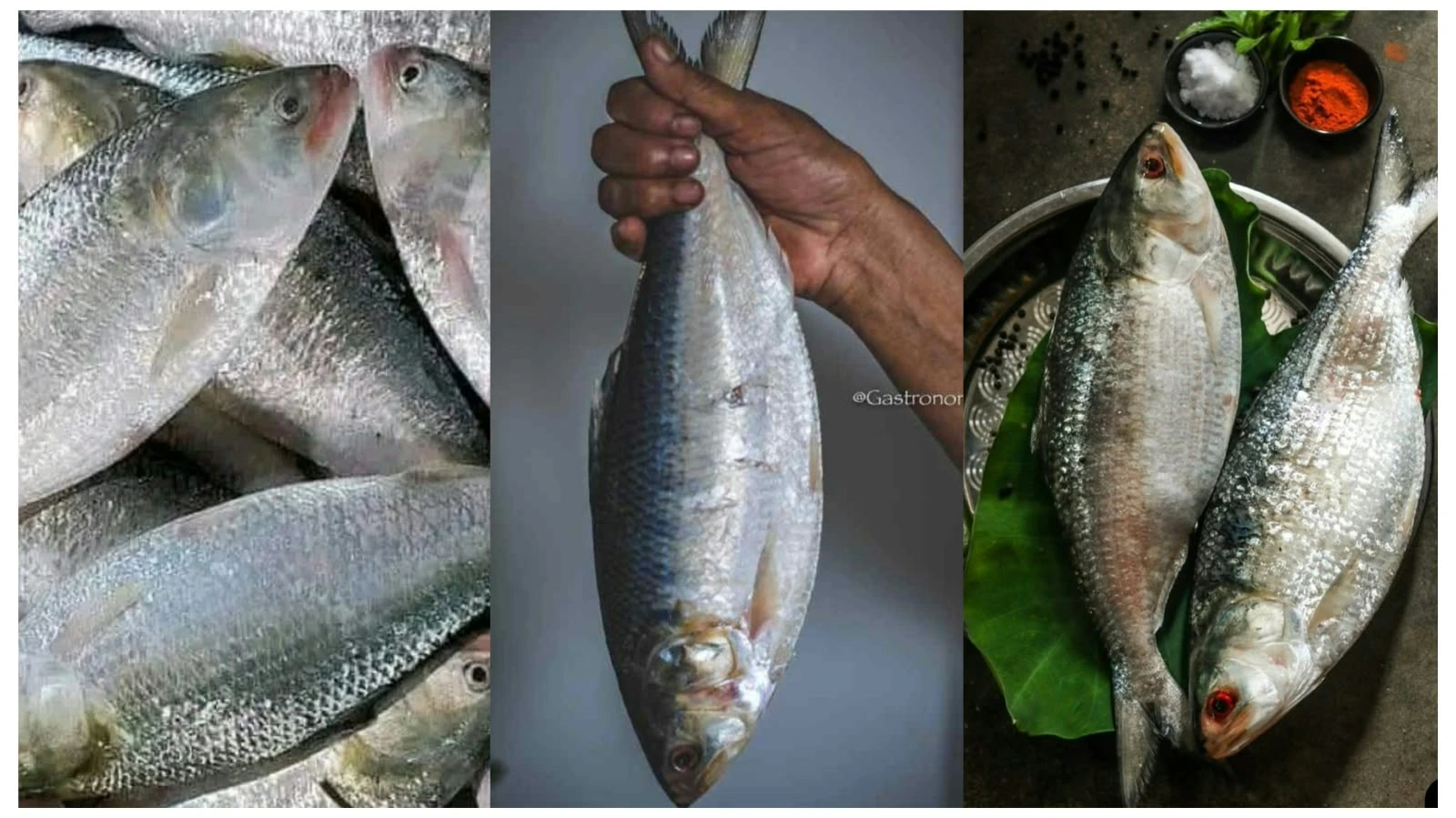
ECOFISH is Bangladesh’s attempt to make hilsa conservation a shared effort. Instead of relying only on fishing bans and patrols, it organises fishers into local conservation groups, gives them other ways to earn, and uses scientific evidence to shape the rules. The idea is simple: protect the fish by also protecting the families who depend on it.
What ECOFISH Did
The project, officially called Enhanced Coastal Fisheries in Bangladesh (ECOFISH-BD), was funded by the United States Agency for International Development (USAID). WorldFish and Bangladesh’s Department of Fisheries carried it out, initially from 2014 to 2019. It worked in the Padma-Meghna river system and in coastal areas where hilsa migrate and spawn.
Its core idea was co-management. The government sets the legal framework, while fishing communities help monitor, spread awareness and enforce conservation practices in their own areas.
Fishers as Conservation Partners
ECOFISH brought co-management to 136 fishing villages near hilsa sanctuaries. It formed 575 hilsa conservation groups, set up co-management committees across six sanctuaries and trained about 400 community fish guards.
Each conservation group usually includes 30 to 40 households. Members meet to talk about sustainable fishing, discourage the catching of young hilsa (jatka) and breeding adults, and encourage their neighbours to follow seasonal restrictions.
Making Bans Survivable
A fishing ban is hard to follow when a family loses its only income. So ECOFISH supported households during the closed seasons in several ways:
- Training in other income activities such as fish farming, duck and goat rearing, toy making and basic animal health services.
- Vegetable seeds for home use, including spinach, bitter gourd, radish and pumpkin.
- Community savings groups of about 30 women from fishing households, to build financial strength and support women’s earning power.
This support is the practical difference between a rule that people dodge and a programme they can truly take part in.
Science-Guided Policy
The project also turned field research into national policy. It contributed to extending the ban on catching brood hilsa from 11 to 22 days, creating the Hilsa Conservation and Development Fund, and setting allowed gillnet mesh sizes. It also helped establish the Nijhum Dwip Marine Protected Area, which covers 3,188 square kilometres.
The government’s wider hilsa plan now combines several measures. These include the 22-day brood hilsa ban, an eight-month ban on catching young hilsa, sanctuary closures in March and April, mesh-size limits, and food aid for fishers during closed periods.
Why It Matters
Hilsa is Bangladesh’s national fish and a major source of food, income and cultural pride. Earlier restrictions helped, but the lesson from ECOFISH is that enforcement lasts longer when fishers have a stake in the result and a way to earn during no-fishing periods.
The approach was followed by four straight seasons of higher hilsa production between 2014 and 2019. Still, recent reports point to ongoing pressures, including overfishing, harmful fishing gear, silt build-up and poor conditions for migration.
Final Thoughts
Bans protect hilsa, but they work best when people can live with them. ECOFISH tries to make these bans fair and sustainable by turning fishers from people who are only policed into partners in conservation. For a country where hilsa is so deeply tied to daily life, that shift may be just as important as the rules themselves.
Discover More Stories Worth Your Time
1. Which venomous snakes are a real threat in Bangladesh, and how can people identify them?
From cobras and kraits to vipers, discover the venomous snakes found across Bangladesh and why they remain a serious concern.
2. Did you know a new island has emerged in the Sundarbans?
Explore the story behind the new island in the Sundarbans and what its appearance could mean for this fragile ecosystem.
3. Why are Bangladesh’s wild birds increasingly at risk from poaching?
Take a closer look at the illegal bird trade and poaching threatening the country’s wildlife.
4. What makes Sundarbans honey collectors enter one of the world’s most dangerous forests?
Their search for honey can bring them face-to-face with Royal Bengal Tigers. Discover why these collectors continue to risk their lives.
5. Is there more to the Sundarbans than science can explain?
From mysterious stories to local beliefs, explore the fascinating debate between science and superstition in the Sundarbans.