
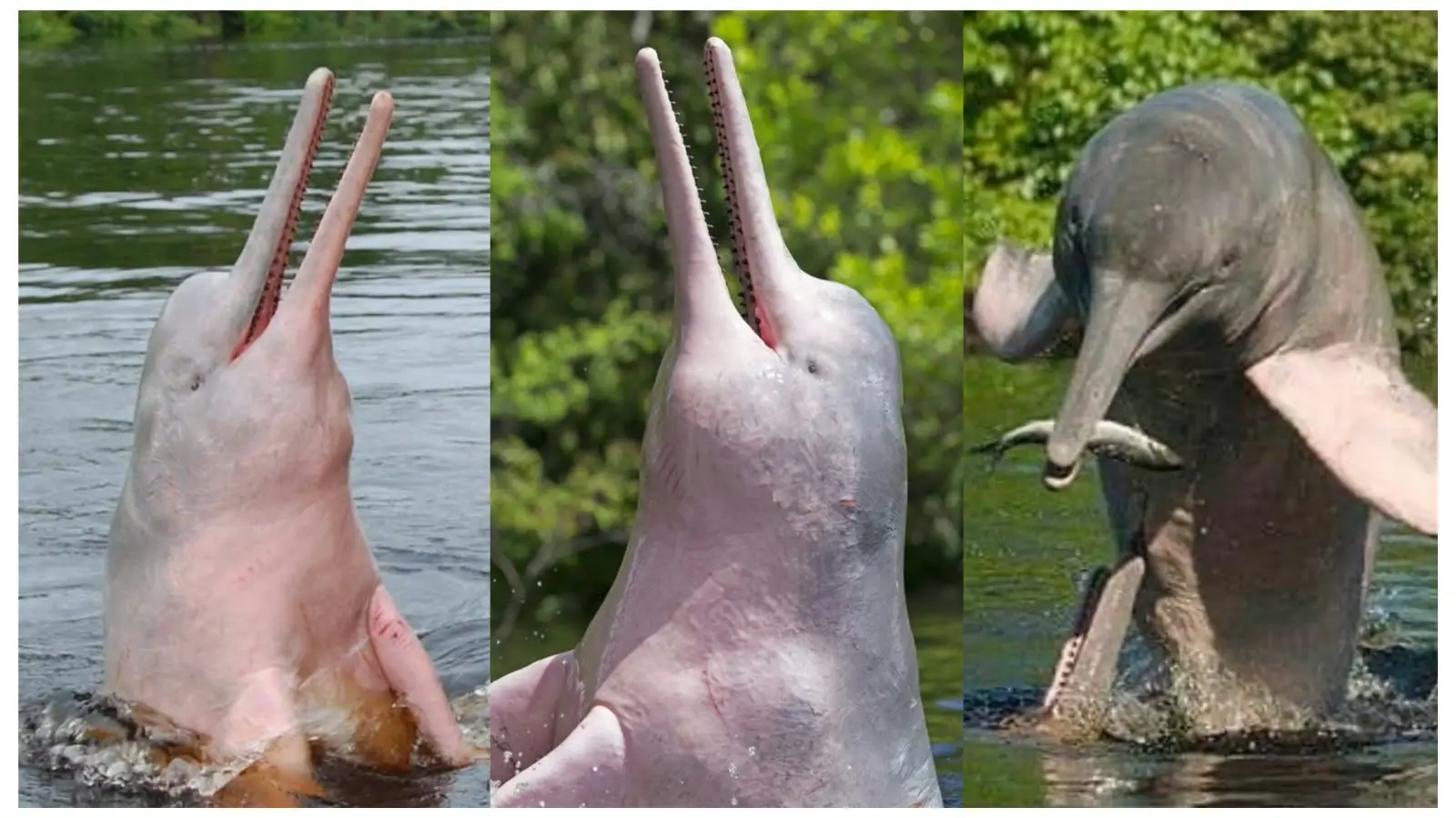
The Ganges river dolphin, known in Bangladesh as the shushuk, is one of the most elusive and threatened animals in the Sundarbans. Bangladesh still holds a nationally significant population, but conservationists warn that rising salinity, fishing nets, pollution and shrinking freshwater flows are steadily reducing the habitat these dolphins need to survive.
A Dolphin at the Edge of the Delta
The Ganges river dolphin (Platanista gangetica) is an endangered freshwater species found in the Ganga-Brahmaputra-Meghna river system. Unlike marine dolphins, it depends on river channels and cannot cope with long exposure to salty water. That makes the freshwater-influenced edges of the Sundarbans extremely important.
The Sundarbans, the world’s largest mangrove forest, spreads across Bangladesh and India at the mouth of these great rivers. Ganges river dolphins once lived on both sides of the border. Today, researchers report that they have almost vanished from much of the Indian Sundarbans. This raises fears that Bangladesh could face the same fate without stronger protection.
Salinity Is Shrinking Their Habitat
One of the most serious threats is salinity intrusion. When freshwater flowing from upstream declines, because of dams, barrages, silt build-up, water diversion and changing rainfall, salty water pushes deeper inland during the dry season. Channels that were once suitable turn too salty for the dolphins.
Research in the Indian Sundarbans found that dolphins avoided the central parts of the forest, where silt had disrupted freshwater flow and raised salinity. They stayed closer to the western zone near the Hooghly River, where freshwater influence is stronger.
For Bangladesh, the message is clear. As the freshwater zone shifts, dolphins are pushed into fewer and narrower channels. These are often the same channels used by fishing boats and cargo vessels, which raises the risk of entanglement and collisions.
Gillnets Remain the Deadliest Threat
Fishing gear, especially gillnets, is widely seen as the biggest cause of dolphin deaths. Dolphins must rise to the surface to breathe, and when they do, they can get caught in nearly invisible nylon nets.
Bangladesh’s conservation action plan names accidental killing in gillnets as the most pressing threat to the long-term survival of river dolphins. Gillnets are banned in some dolphin habitats, but enforcement is difficult and many fishing communities still use them.
The danger is real. Bangladesh recorded 130 Ganges river dolphin deaths between 2007 and 2016, mostly linked to fishing nets or boat propellers. A longer monitoring record counted 134 deaths between 2007 and 2021.
Pollution Adds to the Pressure
The Sundarbans receives pollution from many directions, including industrial waste, farm runoff, pesticides, fertilizers, coal dust, oil spills and waste from growing towns and transport routes. These pollutants damage water quality, harm fish stocks and can injure or kill dolphins directly.
Pollution does not have to kill a dolphin right away to cause harm. It can reduce the fish they feed on, damage fish breeding grounds and leave already stressed dolphins more open to disease, entanglement and habitat loss.
Why Bangladesh Matters
Bangladesh remains a key stronghold for the species. Earlier estimates put roughly 2,000 Ganges river dolphins in the country, with important groups in and around the Sundarbans. The country also supports a major population of Irrawaddy dolphins, another threatened species that shares parts of the same habitat.
This makes the Bangladesh Sundarbans a possible refuge, but also a warning sign. If salinity keeps rising and freshwater channels keep shrinking, the country could lose the very conditions these dolphins need.
What Can Be Done
Protecting the dolphins takes more than declaring sanctuaries. Experts point to these priorities:
- Maintain and restore upstream freshwater flows to reduce dry-season salinity.
- Enforce gillnet bans and create net-free or seasonal protection zones.
- Control boat speed, routes and noise in core dolphin habitat.
- Reduce industrial discharge, farm runoff, oil transport and coal pollution.
- Involve fishing communities in reporting entanglements and sightings.
- Run regular population surveys to spot range loss early.
The Bottom Line
The decline of Ganges river dolphins in the Sundarbans is not caused by one sudden event. It is the combined result of a freshwater species being squeezed into an increasingly salty, crowded and polluted delta. Bangladesh still has a chance to avoid the local extinction already seen in parts of the Indian Sundarbans, but only if freshwater restoration, safer fishing gear and pollution control are treated as urgent priorities.
Discover More Stories Worth Your Time
1. Which venomous snakes are a real threat in Bangladesh, and how can people identify them?
From cobras and kraits to vipers, discover the venomous snakes found across Bangladesh and why they remain a serious concern.
2. Did you know a new island has emerged in the Sundarbans?
Explore the story behind the new island in the Sundarbans and what its appearance could mean for this fragile ecosystem.
3. Why are Bangladesh’s wild birds increasingly at risk from poaching?
Take a closer look at the illegal bird trade and poaching threatening the country’s wildlife.
4. What makes Sundarbans honey collectors enter one of the world’s most dangerous forests?
Their search for honey can bring them face-to-face with Royal Bengal Tigers. Discover why these collectors continue to risk their lives.
5. Is there more to the Sundarbans than science can explain?
From mysterious stories to local beliefs, explore the fascinating debate between science and superstition in the Sundarbans.