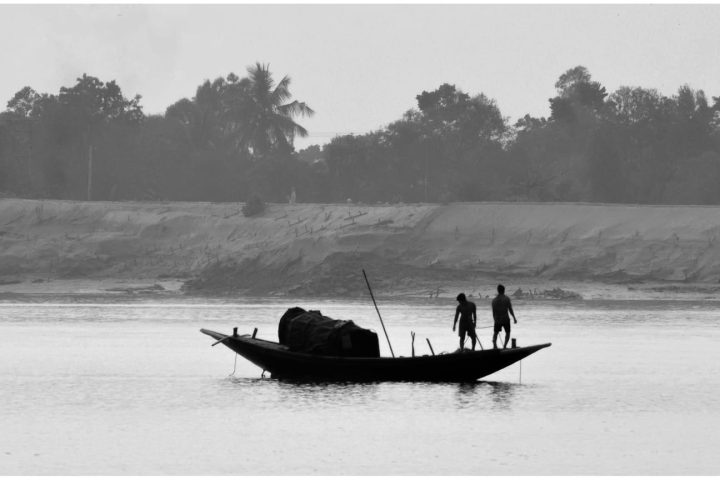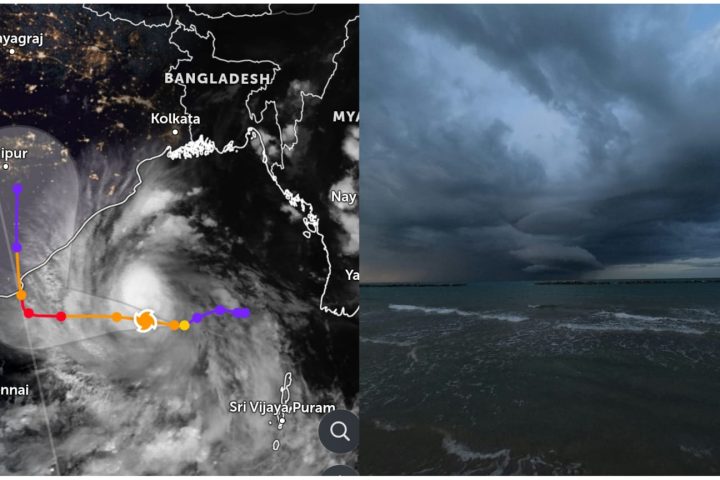

The Sundarbans has long been a part of Bangladesh’s identity, both as a storehouse of biodiversity and as a bulwark against the cyclones and storm surges of the Bay of Bengal. It is the world’s largest contiguous mangrove forest, a UNESCO World Heritage Site that has absorbed the force of countless storms before they could reach populated coastal districts. That protective role is now directly threatened, not from one storm or event, but from a slower, compounding crisis of saltwater pushing further into the delta each year.
Freshwater Is Running Out Where It’s Needed Most
That decline in the Sundarbans starts with a change in the basic chemistry on which it depends. The mangrove ecosystem depends on a fine balance between fresh water from upstream rivers and salt water from the Bay of Bengal. That balance has swung dramatically in favour of salt. The Gorai River, a principal freshwater conduit of the Ganges system that feeds the Sundarbans, exhibits a statistically significant decline in flow since the early period of record, based on long-term data, which is attributed to upstream diversion, siltation, and changing monsoon patterns.
Salinity has increased unevenly, in line with the weakening of freshwater input. West Bengal, India, has always been saltier than the eastern part of the Bangladesh Sundarbans and has experienced more frequent extreme salt events since 2010, according to a research study that used 26 years of hydroclimatic data from the region. “In another study tracking soil salinity in Bangladesh’s coastal belt, it was found to be up sixfold between 1984 and 2014 and up to fifteenfold in the worst-hit pockets. The prevailing trends now indicate that by 2050, extensive areas of the Sundarbans region may reach ocean-level salinity.
Species Are Changing the Forest Itself
Salinity doesn’t just make water undrinkable. It changes which trees can live at all. The Sundari tree, Heritiera fomes, after which the Sundarbans are named, is particularly sensitive to rising salt levels, and there have been marked, measurable losses throughout the forest. Instead, species such as Excoecaria agallocha, which are more salt-tolerant but less ecologically valuable, have expanded, altering the structure of the forest and reducing its density. Along with the Sundari, the Gewa tree, another species sensitive to salinity and important to the ecosystem, is also disappearing. Researchers estimate that around 8,500 hectares of mangrove cover have been lost across the Sundarbans during the last 35 years. The loss has been gradual but steady, a slow attrition of the forest’s total footprint.
This is more than just aesthetics or biodiversity stats. During cyclones, thicker, healthier stands of mangroves break wave energy and stabilise shoreline sediment. Measurably less protection is offered by a thinning, salt-stressed forest next time a major storm forms in the Bay of Bengal.
Wildlife Caught in the Middle of Shrinking Habitat and Rising Salt
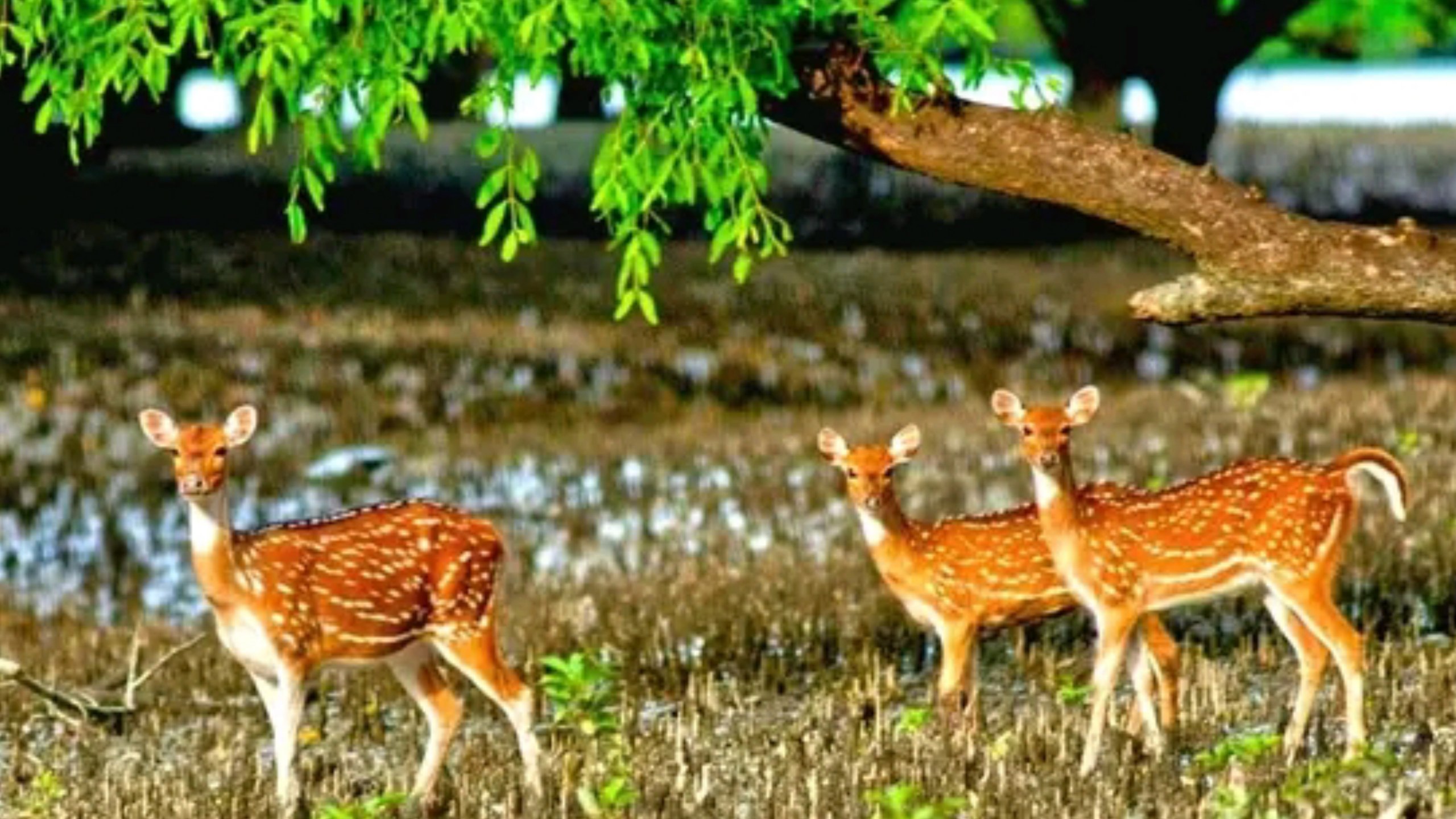
The Sundarbans is home to many other species that depend on its freshwater channels and forest cover, and supports the last major population of wild Royal Bengal Tigers. Rising salinity and drying freshwater sources mean tigers and other animals can no longer find drinkable water or stable homes and their movements and hunting habits are changing, affecting the food chain of the forest. Fish breeding, an important part of the ecosystem and regional economy, is also disrupted by rising salinity in rivers and canals that fish use to spawn.
The Human Cost: Building Lives on a Shrinking Resource
The Sundarbans directly or indirectly supports the livelihoods of hundreds of thousands of people including honey collectors locally known as mouals, woodcutters known as bawalis and fishing communities across the surrounding coastal districts. As forest resources diminish and salt intrusion damages farmland in surrounding areas, researchers and aid groups are more and more describing these communities as hanging by a thread to climate refugee status.
The health effects are compounded by economic ones. Some vulnerable populations in the larger Sundarbans area have been shown to have high prevalence of skin diseases associated with prolonged exposure to saline water as well as high incidence of infectious disease during periods of flooding . The wells that provide safe drinking water are turning salty and sources of contamination are more frequent.
Migration already underway to cities
People are already migrating in search of work from the coastal districts closest to the Sundarbans, notably Khulna and Satkhira, as farming and fishing become less viable. The displacement of people puts pressure on urban areas that are ill-prepared to accommodate large numbers of displaced coastal populations. This second strain extends well inland from the coast itself. The economic cost of climate-linked loss and damage in the wider Sundarbans region has been estimated at hundreds of millions of dollars annually, in terms of environmental damage and related health impacts, a burden shouldered disproportionately by a country responsible for a tiny fraction of global emissions.
Discover More Stories Worth Your Time
Explore Which Water Project Matters?
Discover the scale and impact of Bangladesh’s biggest water project in years.
Check What Changed Six Months?
Explore the BNP government’s progress on major policies since the February election.
See Why Border Tensions Continue?
Discover what BGB-BSF talks reveal about push-in disputes and bilateral relations.
Find Why Pori Stays Trending?
Explore the relationship drama keeping Bangladesh fascinated with Pori’s personal life.
Learn Who Hurts Fishermen Most?
Discover how middlemen, rather than nature, are cutting into hilsa fishermen’s incomes.
What is being done and what is not enough
In response, the Bangladesh government and international partners have expanded afforestation programs and community-based forest protection efforts, as well as research into salinity-tolerant mangrove species that could help stabilise forest cover even as water chemistry shifts. Those efforts are real progress, but experts studying the region always mention that local adaptation alone cannot make up for a crisis that is largely caused by global emissions and upstream water management decisions that are far beyond Bangladesh’s control.
A shield without self-defence
For years, the Sundarbans has shielded Bangladesh’s coastal people from the worst the Bay of Bengal can throw at them. The uncomfortable reality for policymakers, researchers and the communities that live alongside the forest is that the shield itself needs protection. By 2050, if there is a major change in the management of freshwater in the upstream and a serious reduction in global emissions, the Sundarbans will be a smaller, saltier and less resilient version of the forest of today, with consequences that will not be confined to the coastline.
Summary: The Sundarbans, Bangladesh’s natural shield against cyclones, is losing freshwater, mangrove cover, and wildlife habitat to rising salinity. Millions who depend on the forest now face an uncertain future.