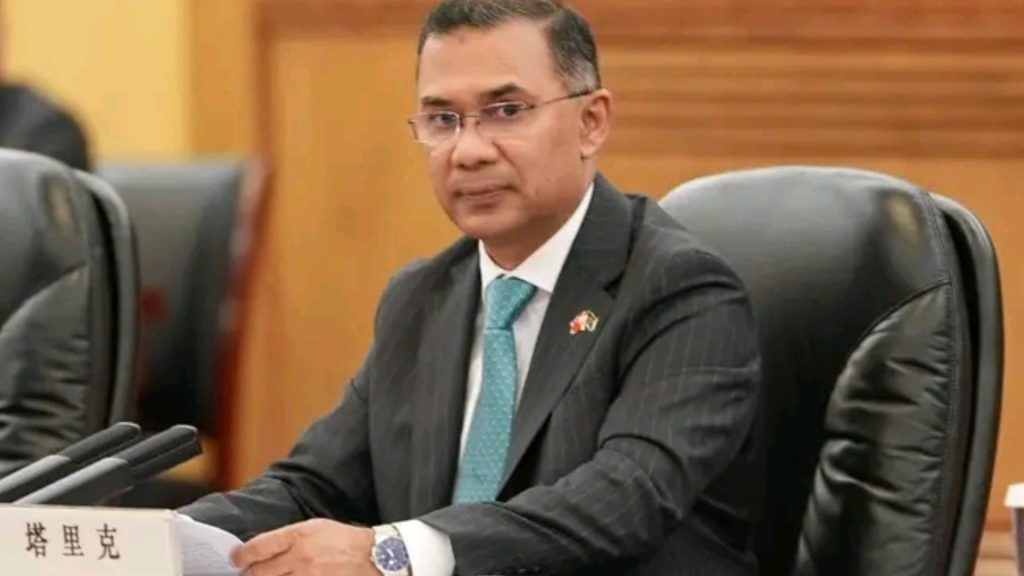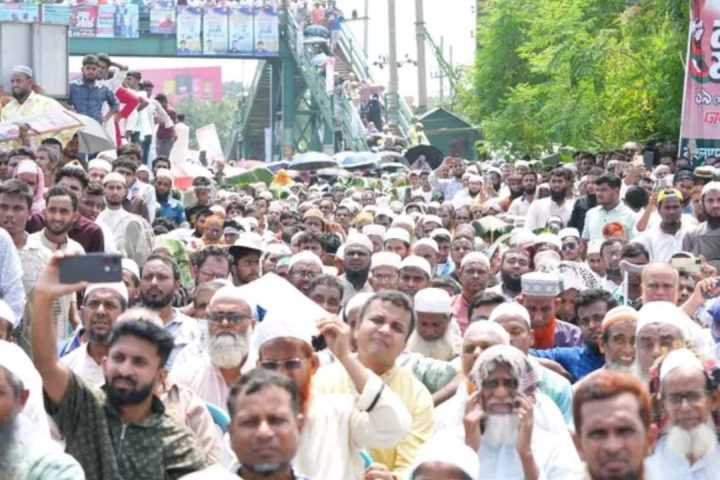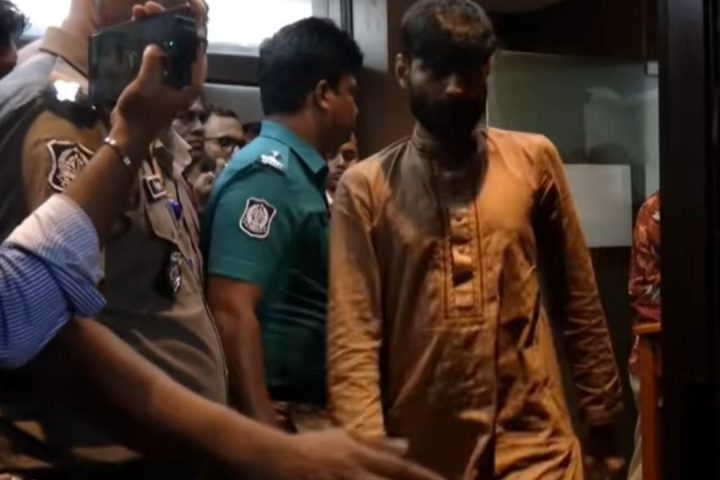
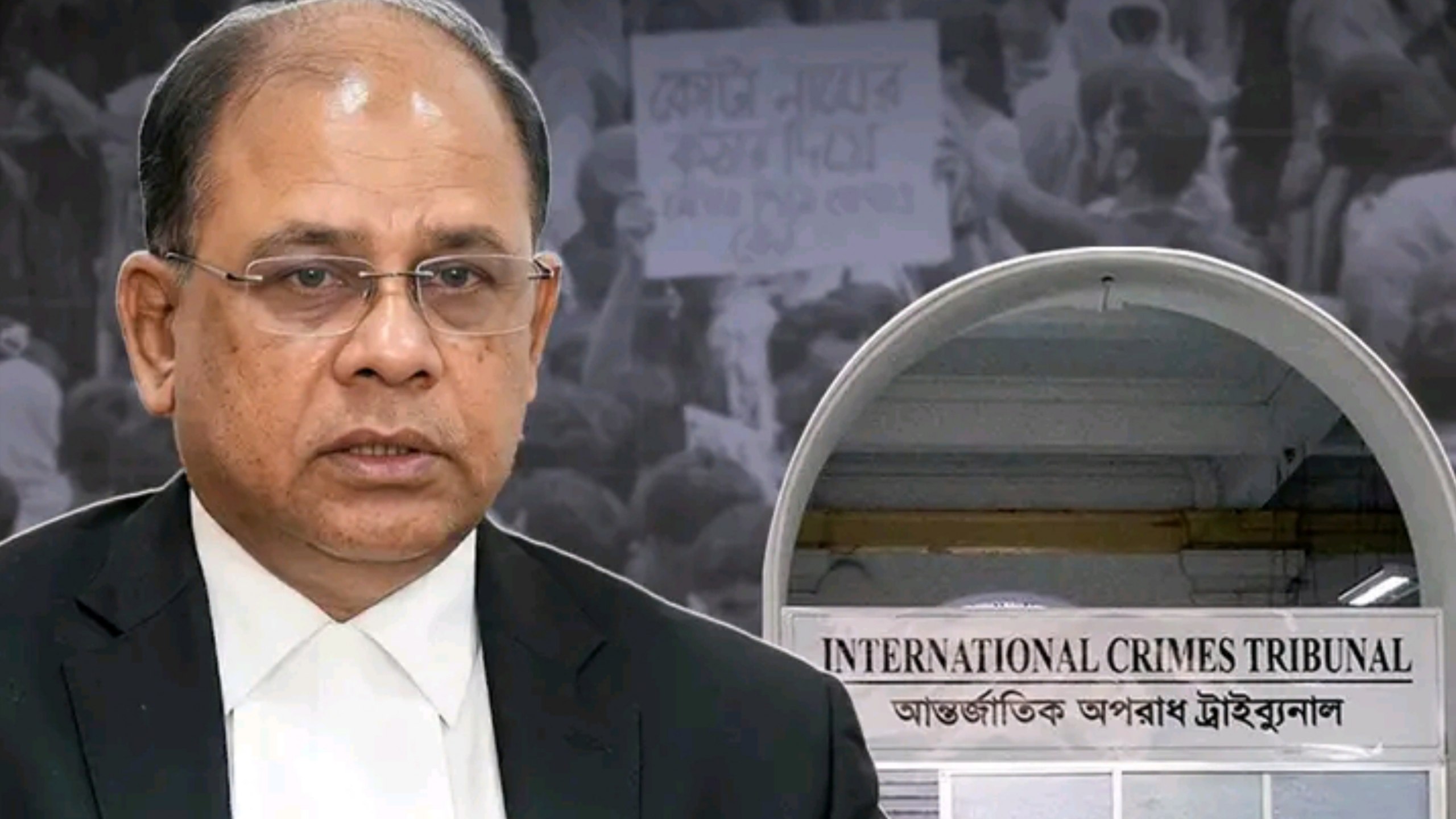
The prosecution in one of Bangladesh’s highest-profile July uprising cases has told the International Crimes Tribunal (ICT) that the United Nations declined to share the identities of eyewitnesses cited in its own fact-finding report on the 2024 crackdown. Prosecutor Gazi Monawar Hossain Tamim said the UN’s human rights office withheld the information specifically because Bangladesh’s International Crimes (Tribunals) Act, 1973 still allows for capital punishment, a penalty the UN opposes in all circumstances.
“As the law still allows capital punishment, we were unable to obtain the identities of the UN’s eyewitnesses.”
Tamim made the submission while presenting arguments in the crimes against humanity case against Obaidul Quader, general secretary of the now-banned Awami League, along with six other party and affiliated-organisation leaders.
A Trial Built Partly on a Report It Cannot Fully Access
The tension puts prosecutors in an awkward position. The UN’s own investigation, which found that as many as 1,400 people, including many children, may have been killed during the July-August 2024 crackdown, has become a central evidentiary reference point for Bangladesh’s domestic accountability process. Yet the tribunal cannot access the underlying witness testimony that the report relied on unless Dhaka removes the death penalty as a possible sentence, a condition prosecutors have so far been unable to meet under existing law.
Legal observers have noted that the UN’s position leaves Bangladesh’s tribunal to build cases largely on domestically gathered testimony and evidence, even as it continues to invoke the UN report’s findings to establish the broader scale of the violence.
Death Sentences Already Handed Down
The dispute comes after the ICT has already used the death penalty in several July uprising cases. In November 2025, the tribunal sentenced Sheikh Hasina and former Home Minister Asaduzzaman Khan Kamal to death in absentia after convicting them of crimes against humanity. In April 2026, two former police officers were sentenced to death for the killing of student protester Abu Sayed, with 28 other former officers receiving prison terms.
Human rights groups have repeatedly objected to these sentences. Amnesty International Secretary General Agnès Callamard said in response to the Hasina verdict that the death penalty cannot deliver genuine justice.
“The death penalty simply compounds human rights violations.”
Legal Experts Say the Provision Should Go
Legal analysts have argued that Bangladesh’s government should remove the death penalty provision from the tribunal law altogether, both to satisfy international partners and to strengthen the credibility of the trial process. Some have also raised broader concerns about whether the ICT’s current structure can guarantee consistently fair proceedings, separate from the sentencing question.
The death penalty debate is not confined to the ICT. Bangladesh’s cabinet has also approved a capital punishment provision in a newly proposed enforced disappearance law, a move that has drawn criticism from rights groups who warn it could similarly complicate international cooperation on future accountability efforts.
Discover More Stories Worth Your Time
Explore What Follows Shahabuddin’s Exit?
Discover how Bangladesh’s leadership could change after the president’s departure.
Check Why Assault Case Filed?
Explore the allegations involving actress Snigdha Chowdhury and the Ashiyan chairman.
See How Microplastics Spread?
Discover why Bangladesh’s rivers, salt pans, and fish markets are raising concern.
Find Why Wetlands Face Threat?
Explore how invasive turtles are disrupting biodiversity in Dhaka’s waterways.
Learn Why Army Took Custody?
Discover the latest developments in the Brig Gen Miftah Uddin tribunal case.
A Separate Procedural Barrier Compounds the Problem
The death penalty issue is not the only obstacle facing July uprising victims seeking justice. A colonial-era provision, Section 132 of the Code of Criminal Procedure, 1898, has also been used to block courts from taking up cases against public servants without prior government sanction, delaying some families’ cases even before they reach the evidentiary stage.
What It Means for the Cases Ahead
With witness identities from the UN’s report effectively off-limits, prosecutors are left to build their cases through other channels while the death penalty provision remains part of Bangladesh’s law. Unless that changes, similar disputes are likely to resurface in future July uprising trials, adding a persistent complication to a justice process that is already being closely watched at home and abroad.
Summary: Bangladesh’s prosecution of officials accused of crimes during the July 2024 uprising has hit a procedural wall: the United Nations has refused to share the identities of eyewitnesses from its own fact-finding report because Bangladesh’s tribunal law still permits the death penalty. The dispute highlights a deepening tension between international human rights standards and Dhaka’s domestic justice process.