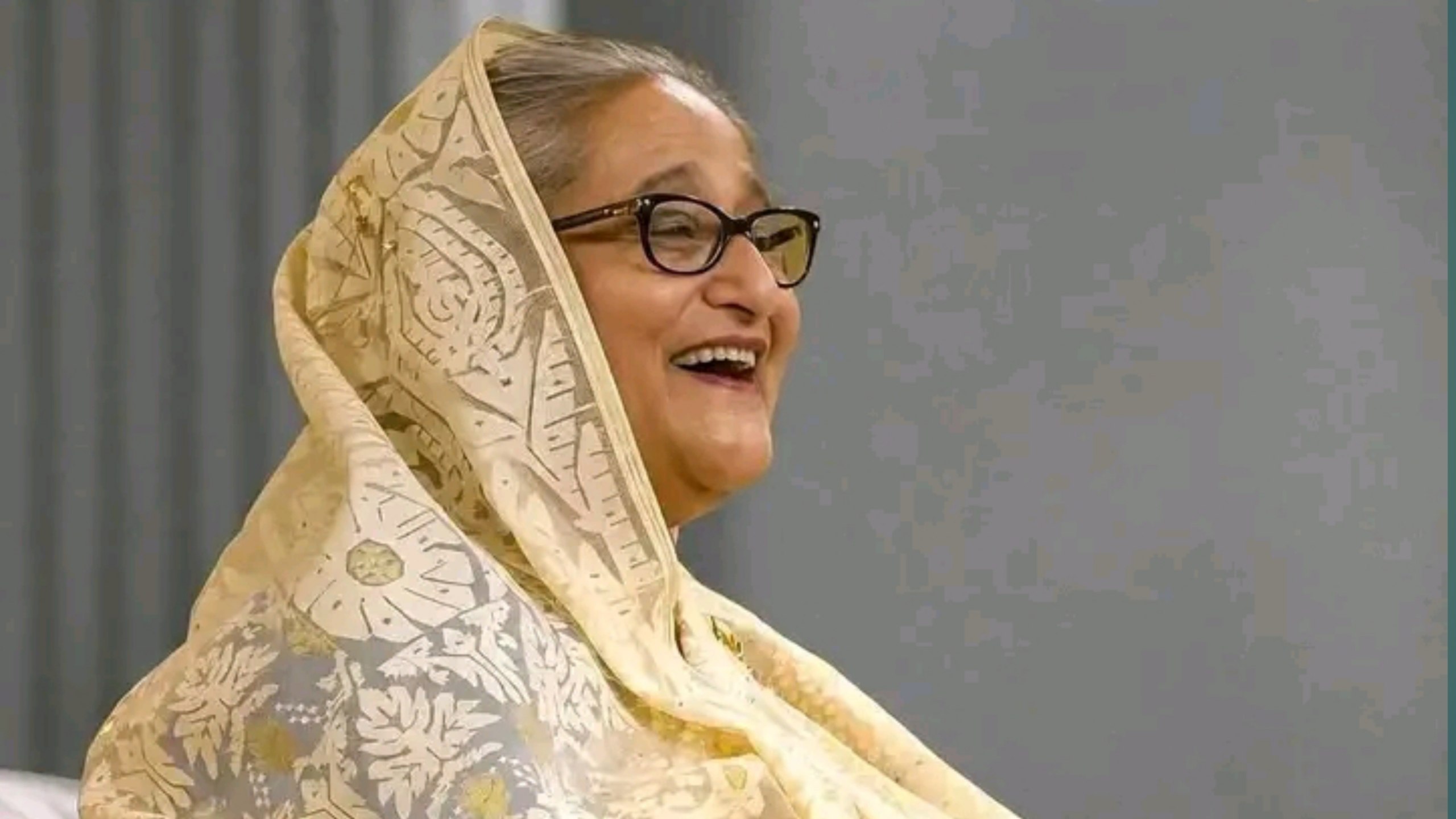
More than two years after fleeing Bangladesh by helicopter, former Prime Minister Sheikh Hasina has announced her intention to return home by December 2026, despite facing a death sentence over the deadly 2024 crackdown that ended her 15-year rule.
Her declaration has reignited a fierce debate over what her return would actually mean for a country still working through the aftermath of its uprising.
What Hasina Has Said
Hasina, 78, made her announcement on August 5, 2026, via video link at a Foreign Correspondents’ Club event in New Delhi, marking the second anniversary of her ouster. She said she was prepared to face detention, imprisonment, or worse, but that her duty to the people outweighed her fear.
In a later interview with Reuters, she said she planned to return alongside senior Awami League officials, including former Home Minister Asaduzzaman Khan Kamal, who also faces a death sentence, to jointly surrender in court and challenge the legal ban on her party. “All together, we will all surrender in court,” she said, describing the legal proceedings against her as farcical.
The Legal Reality Awaiting Her
Bangladesh’s International Crimes Tribunal convicted Hasina in absentia in November 2025 on charges of crimes against humanity, including ordering lethal force against unarmed protesters during the uprising, a crackdown a UN report says killed nearly 1,400 people. Under the current legal framework, her conviction already stands.
If she surrenders, she would reportedly go straight to prison, with any appeals process beginning only after she is behind bars. Bangladesh’s interim government has made its position unambiguous, with Home Minister Salahuddin Ahmed saying the “mass murderer” has shown no remorse.
How Dhaka And New Delhi Are Positioned
Bangladesh’s foreign ministry reacted furiously to Hasina’s New Delhi address, accusing her of using the platform to launch “venomous vitriol” against the state.
Dhaka has repeatedly pressed India for her extradition, with officials reiterating the request during recent high-level meetings, including one between Bangladesh’s Chief Adviser Tarique Rahman and India’s High Commissioner to Dhaka, Dinesh Trivedi. India, for its part, has said it has no role in Hasina’s public statements and that the extradition request remains under legal examination, without committing to a timeline.
Discover More Stories Worth Your Time
Explore What Follows Shahabuddin’s Exit?
Discover how Bangladesh’s leadership could change after the president’s departure.
Check Why Assault Case Filed?
Explore the allegations involving actress Snigdha Chowdhury and the Ashiyan chairman.
See How Microplastics Spread?
Discover why Bangladesh’s rivers, salt pans, and fish markets are raising concern.
Find Why Wetlands Face Threat?
Explore how invasive turtles are disrupting biodiversity in Dhaka’s waterways.
Learn Why Army Took Custody?
Discover the latest developments in the Brig Gen Miftah Uddin tribunal case.
What Her Return Could Mean
If Hasina does return as planned, analysts say the move could cut two ways. It could further destabilise Bangladesh’s already fragile political transition, reigniting tensions between Awami League loyalists and the current administration just as the country works to stabilise institutions following the 2024 revolt.
At the same time, some observers suggest a resolved legal process, however contentious, could eventually help ease diplomatic strain between Dhaka and New Delhi, since Hasina’s continued presence in India has been a persistent irritant in bilateral ties.
Why This Remains Uncertain
Despite Hasina’s repeated public commitments, no exact return date has been confirmed, and her previous promises of returning “this year” have shifted in specifics over several months.
With December 2026 now cited as her stated target, whether she follows through and how Bangladesh’s institutions respond if she does remains one of the most closely watched political questions facing the country as the year draws to a close.