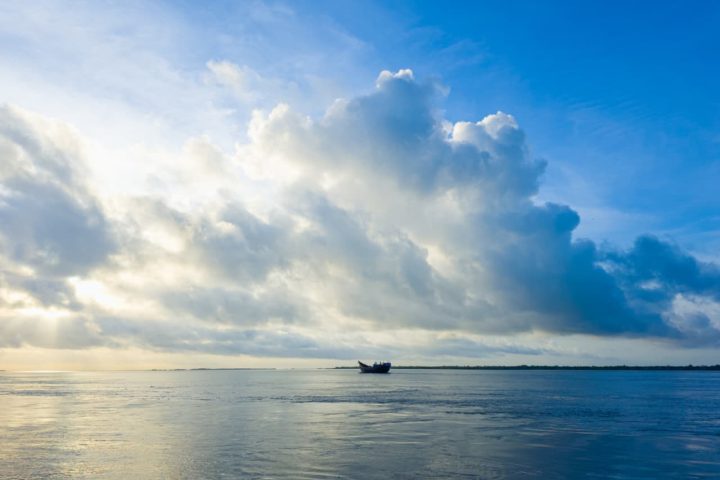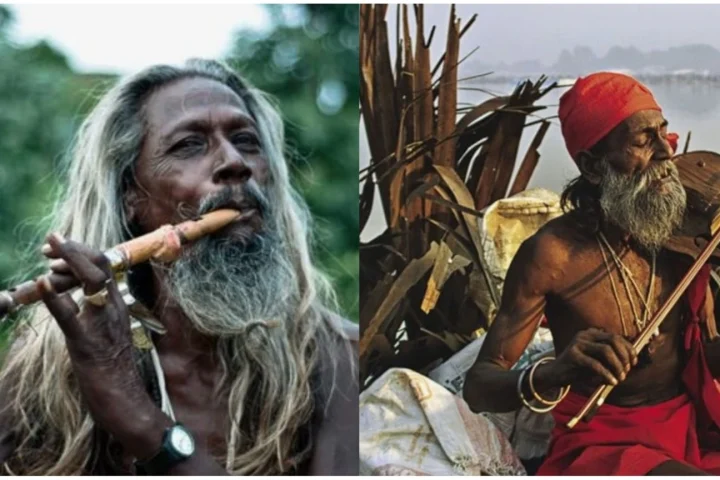

Every spring, small wooden boats float into the narrow creeks of the Sundarbans, the world’s largest mangrove forest. Aboard are the mouals, the traditional wild Sundarbans honey gatherers who have long worked by a simple natural order: the mangroves bloom, the bees arrive, and then the honey. That order is now under stress.
How Sundarbans Honey Is Produced: The Bloom Calendar
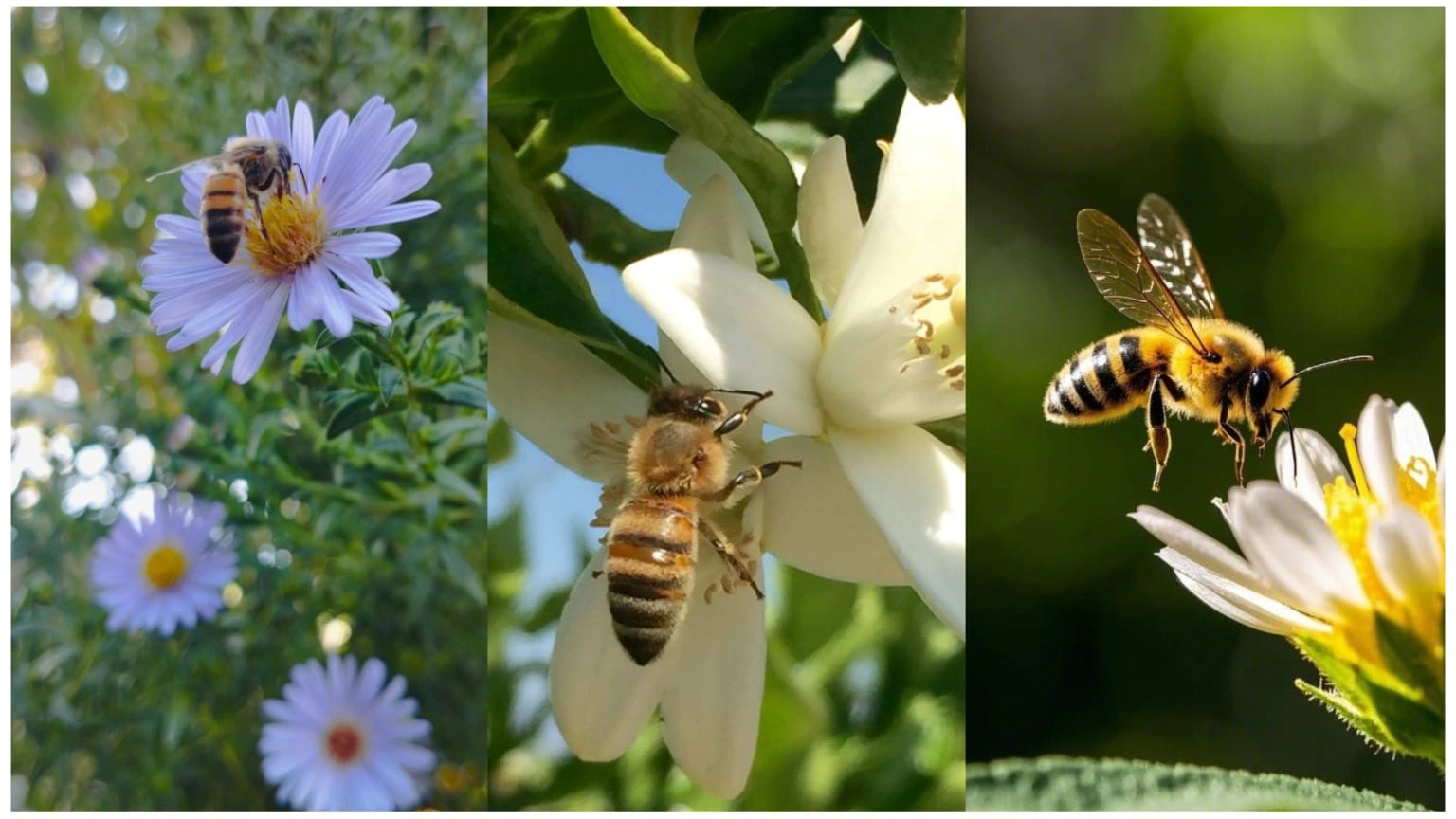
Sundarbans honey is a wild collection of forest products. Beetles, predominantly the giant rock bee (Apis dorsata), build big open nests on the branches of mangroves, feeding on the nectar of mangrove flowers which bloom in succession through spring.
Khalsi (Aegiceras corniculatum) is widely regarded as one of the first to bloom and a major source of the pale early season honey that is so prized.
Goran (Ceriops species), which extends the supply of nectar as the weather warms.
Keora (Sonneratia apetala) flowers later and extends the flow into early summer.
Garjan (Rhizophora species) also contributes to the supply, but the contribution varies from area to area and year to year.
As these species bloom one after another, and the collectors have a limited time in which to work, the bees are provided with a continuous food supply over a period of several weeks.
Timing is everything for bees and collectors
Honey season is short, generally April to June and honey collection is done under permits issued by the forest authorities. The bloom guides the planning of collectors’ expeditions. When the flowering comes in due time, the combs fill up. The combs are thin, and a trip that requires days of travel, much expense and some real personal risk produces very little when flowering and bee activity are out of sync. In trading, timing is everything.
Global warming and higher salinity
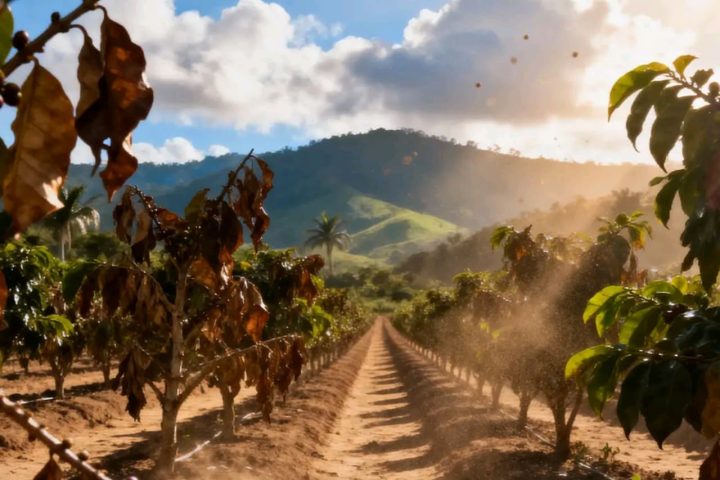
The global rise in temperature creates background stress. Excessive heat may reduce the flowering period, result in flower drop and lead to nectar drying before bees can take it. Meanwhile, the rise in sea level and the limitation of freshwater flows have led to the advance of saltwater towards the delta. Mangroves can tolerate some salt, but too much will weaken them and affect their flowering. The honey supply is declining as the bee food sources disappear.
The Sundarbans wild honey collection processes are aggravated by El Niño. In South Asia, El Niño years are usually characterised by weak or irregular monsoons, high temperatures and dry weather, but conditions each year are different. So mangroves may flower randomly and produce little nectar. And compounded with this, longer summers and prolonged droughts force the trees to conserve moisture and produce little nectar, reducing the flowering period dramatically.
Pollutants and their impact on bees
Pollution is another threat. Shipping channels, river ports and expanding settlements along the edge of the forest all dump waste into the waterways. “The 2014 oil spill in the Shela River demonstrates how quickly the forest can be damaged, as oil coats mangrove roots and can stay there for years. Nearby farmland pesticides can weaken bee colonies and disrupt their foraging, and plastic and industrial effluent add to the strain.
Over-Hunting Bees
Human practice matters, too. Many collectors smoke the bees out and cut the whole comb away, destroying the brood and the colony. The demand for pure forest honey is growing and seasons are shrinking, and it is understandable that the temptation to over-harvest is there. But every colony destroyed reduces the harvest of the next year.
Other dangers for bees and collectors
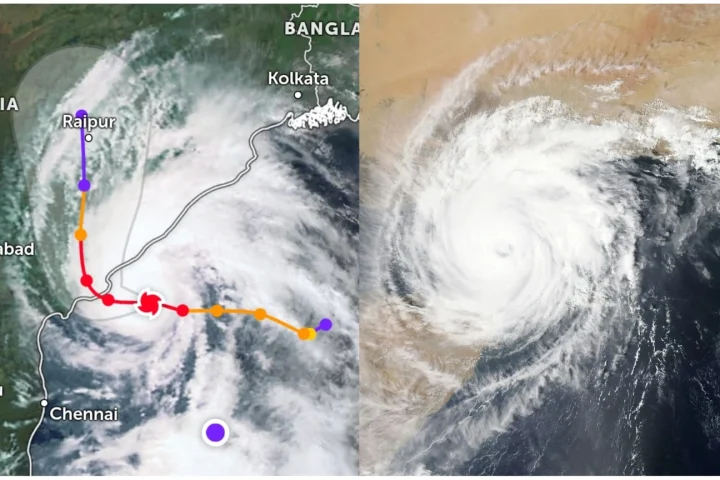
Other perils are ever present. Cyclones like Sidr, Aila and Amphan have flushed salt water into the forest and destroyed the hives. Shrimp farming and settlement continue to clear mangroves. Meanwhile, collectors are working deep in tiger country, and as the flowers become scarcer, they have to range farther and take on more risk.
Why Honey Collectors Are at the Highest Risk
The honey collectors themselves bear the brunt of that burden. Their income is informal and seasonal, and they have little protection against a bad year. Many take loans to cover their expenses and then take more risks to pay the loans. Some migrate for work. Each failed season plunges deeper into this cycle of debt and vulnerability.
Solutions and the Way Forward
There are solutions. Collectors can be trained to take only part of a comb, leaving the brood behind. Protecting mangroves and replanting species rich in nectar can restore the bees’ food supply, and tougher pollution controls can protect the waterways. Fair market access, alternative income, and long-term monitoring of flowering times and bee populations would offer families a cushion and policymakers data. Cooperation across the border is essential as the Sundarbans is shared by India and Bangladesh.
Discover Nature With Bangla Pulse
1. Which venomous snakes are a real threat in Bangladesh, and how can people identify them?
From cobras and kraits to vipers, discover the venomous snakes found across Bangladesh and why they remain a serious concern.
2. Did you know a new island has emerged in the Sundarbans?
Explore the story behind the new island in the Sundarbans and what its appearance could mean for this fragile ecosystem.
3. Why are Bangladesh’s wild birds increasingly at risk from poaching?
Take a closer look at the illegal bird trade and poaching threatening the country’s wildlife.
4. What makes Sundarbans honey collectors enter one of the world’s most dangerous forests?
Their search for honey can bring them face-to-face with Royal Bengal Tigers. Discover why these collectors continue to risk their lives.
5. Is there more to the Sundarbans than science can explain?
From mysterious stories to local beliefs, explore the fascinating debate between science and superstition in the Sundarbans.