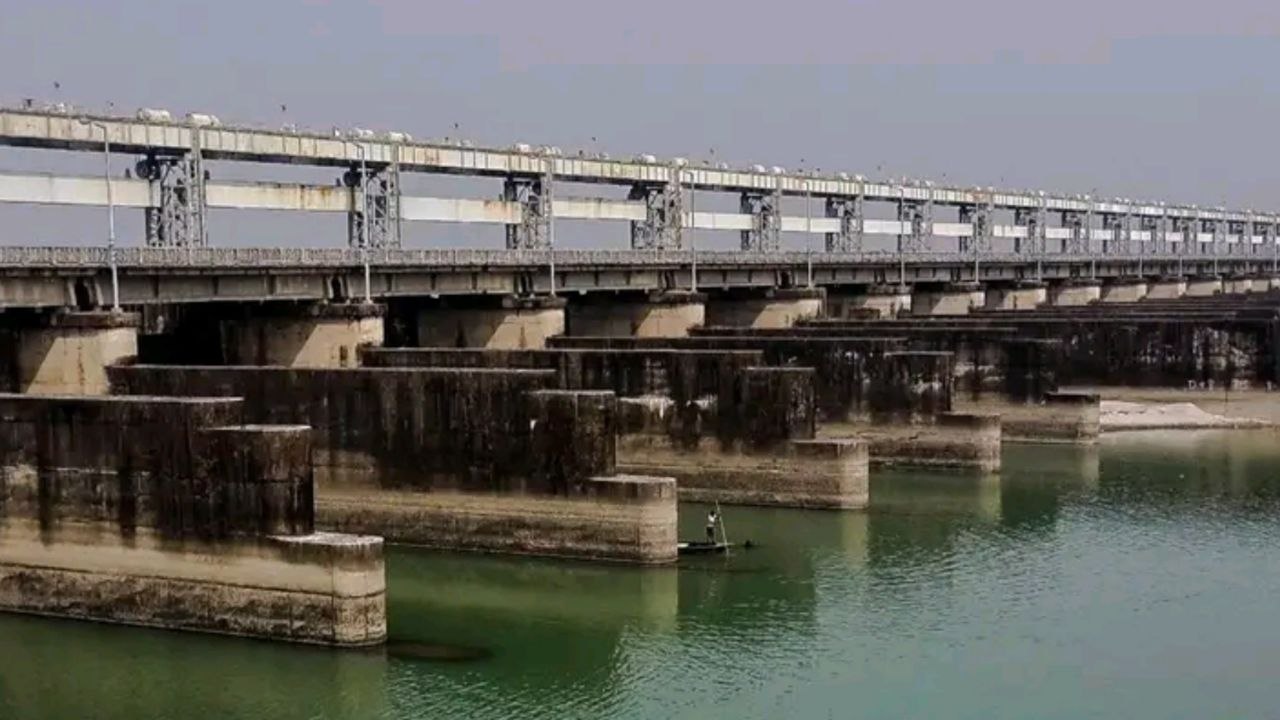
The Ganges Water Treaty, signed by India and Bangladesh on December 12, 1996, is set to expire at the end of this year after governing three decades of dry-season water sharing at the Farakka Barrage. Under its terms, the treaty runs for 30 years and can be renewed by mutual consent, putting both governments under pressure to reach an understanding before the clock runs out.
Talks have picked up pace through 2026, with technical experts from both sides meeting repeatedly, including at the 86th session of the Joint Committee of Technical Experts held in Kolkata, where delegations discussed flood forecasting cooperation and the broader framework for renewal. A Bangladeshi team led by Joint Rivers Commission member Mohammad Abdul Hossain also carried out a two-day spot survey of the Farakka Barrage as part of the technical groundwork.
Why the Original Treaty Fell Short
The 1996 agreement was designed to resolve tensions that began after the Farakka Barrage became operational in 1975, diverting Ganges water into the Hooghly River to keep Kolkata port navigable. While the treaty set out a formula for sharing water during the dry season, many in Bangladesh have long argued that actual flows during lean months have fallen short of what was promised, leaving downstream users short of water precisely when they need it most.
What Bangladesh Is Pushing For
Dhaka’s negotiating position for the new agreement centers on a few key asks:
- A revised or entirely new agreement, rather than a simple rollover of the 1996 terms
- Stronger guarantees on dry-season (January to May) water allocation, the period when shortages have historically hurt Bangladesh most
- Provisions that account for climate change, population growth, and shifting river flow patterns that were not factored into the original treaty
- Movement toward a more comprehensive, basin-wide approach to water governance rather than a narrow Farakka-specific formula
- Continued progress on related river issues, including the long-pending Teesta River sharing agreement, which Dhaka has repeatedly raised alongside Ganges talks
India’s Position So Far
New Delhi has signaled that it intends to handle the renewal through existing bilateral channels rather than opening a separate high-profile negotiation track. Ministry of External Affairs spokesperson Randhir Jaiswal said discussions would proceed through mechanisms already in place.
“Any discussion on Ganga Water Treaty also will be held as part of the bilateral mechanism that we have in place,” Jaiswal said, pointing to the Joint Rivers Commission as the primary forum for talks between the two countries.
India has also indicated that domestic stakeholders, including the government of West Bengal, are being consulted as part of formulating its position, given the state’s own claims on the river’s water.
Discover More Stories Worth Your Time
See Which Foods Ease Seasonal Changes?
Explore five comforting foods that can help you feel your best.
Explore Why Wages Stay Frozen?
Discover how stagnant minimum wages are affecting Bangladesh’s garment workers and families.
Check How Conflict Hurts Jobs?
Explore why Middle East tensions could threaten Bangladesh’s jobs and poverty gains.
Learn How To Spot H1N1?
Discover H1N1 symptoms, prevention tips, and essential facts for Bangladesh.
Find Which Netflix Picks Worth Watching?
Discover binge-worthy Netflix choices for a relaxing weekend at home.
A Test for Bilateral Relations
Analysts following the negotiations describe the treaty renewal as one of the more significant tests facing Dhaka and New Delhi this year, arriving at a moment when broader political ties between the two countries remain under strain. With just months left before the December deadline, both sides face pressure to either finalize a revised framework or risk letting a three-decade-old cooperative arrangement lapse without a replacement in place.
What Comes Next
Officials on both sides have pointed to the formation of a joint technical committee as a likely next step, expected to take shape within the coming months to work through the details of allocation formulas, monitoring mechanisms, and treaty duration. Whether that process delivers a genuinely revised agreement or a renewal of the existing terms remains one of the more closely watched questions in South Asian water diplomacy this year.