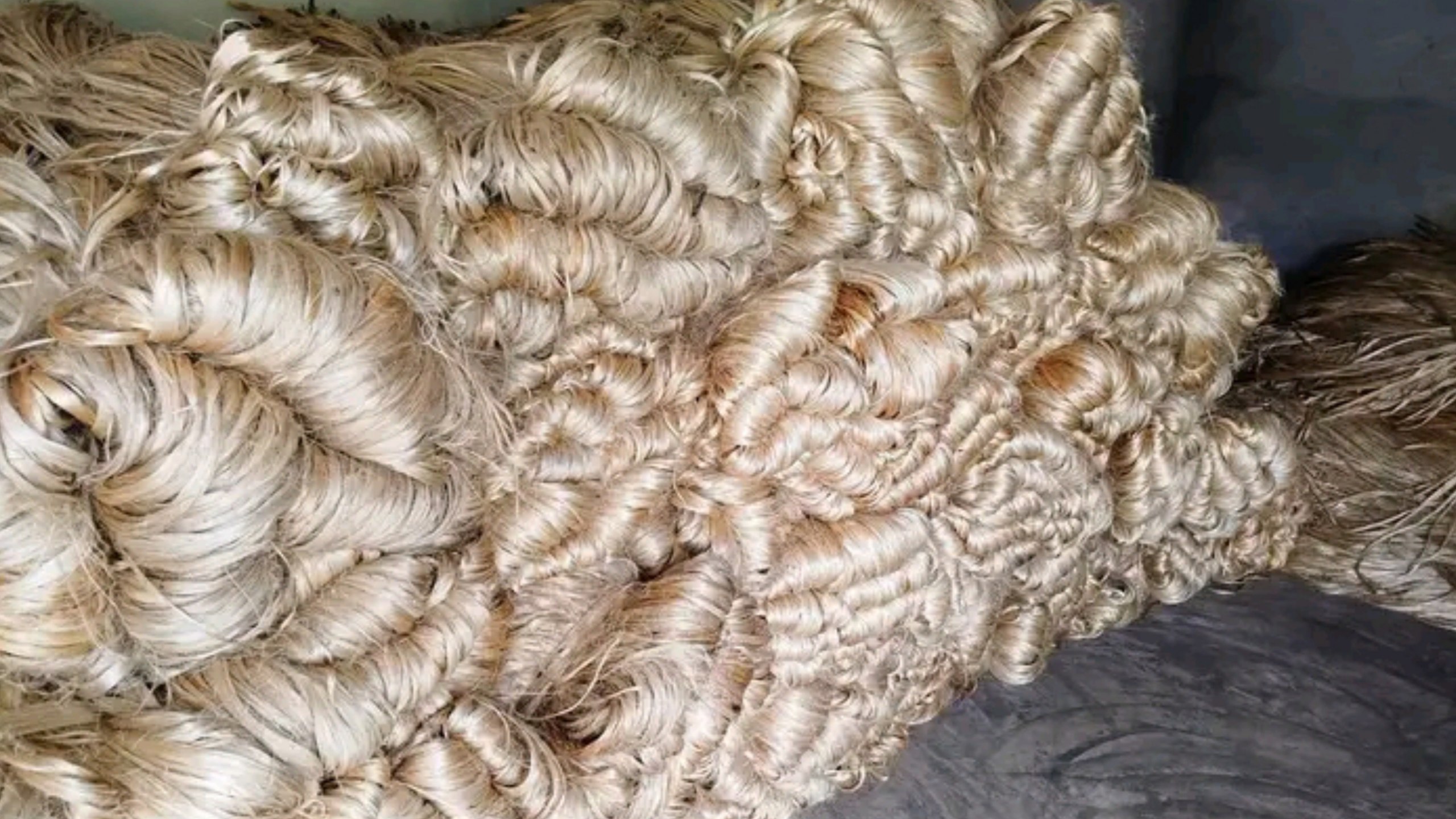
Bangladesh is home to one of the world’s most naturally sustainable materials, and one it produces more of than almost any other country on earth. Jute, long called the country’s “golden fibre,” is biodegradable, durable and reusable, everything plastic is not.
Yet sixteen years after the government made jute packaging mandatory by law, plastic and synthetic bags still dominate shelves, warehouses and rice mills across the country. The question worth asking is not whether Bangladesh has a sustainable alternative to plastic. It clearly does. The question is why the country keeps failing to use it.
A Law That Never Quite Landed
The Mandatory Jute Packaging Act of 2010 requires that 19 essential commodities, including rice, wheat, fertiliser, sugar, potato and onion, be packaged in jute sacks rather than synthetic material. The intent was straightforward: protect a homegrown industry that supports around three million farming households while cutting down on the environmental damage plastic packaging causes.
In practice, the law has struggled to change behaviour on the ground. Government mobile courts have ramped up enforcement in recent years, conducting more than a thousand inspections and filing over a thousand cases against offenders in the past year alone, yet plastic and synthetic bags remain the default choice for most rice mills and traders nationwide.
Price and Supply, Not Just Willpower
The gap between law and practice comes down to two stubborn problems: cost and availability. A 50-kilogram synthetic bag costs around 20 taka, compared to roughly 80 taka for a jute sack, a difference that matters enormously to small and mid-sized mills operating on thin margins.
Millers who want to comply with the law often cannot even find a reliable supply. Jute officers in districts like Sherpur report that local sellers cannot guarantee steady stock, forcing mill owners to either pay a premium or fall back on synthetic bags simply because that is what is available on any given day.
The Industry Behind the Fibre
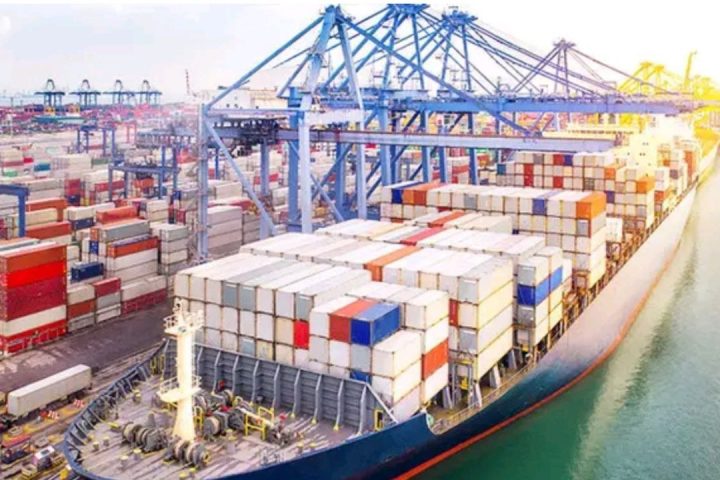
The scale of what is at stake is significant. Bangladesh produced more than 8 million bales of jute in the 2025-26 fiscal year, comfortably exceeding the country’s estimated domestic demand, and earned over 820 million dollars from raw jute and jute product exports in 2024-25. Around three million farming households depend on the crop.
But a 2020 decision to shut down 25 state-owned jute mills left a gap that private mills have only partially filled, even as 193 private jute mills now operate across the country. Some of those closed mills are being leased back to private operators, with the government hoping to have all of them producing again by the end of 2026.
Explore Why Sundarbans Disappear?
Discover how climate change is threatening Bangladesh’s world-famous mangrove forest.
Check How Farmers Benefit?
Explore what the new Farmer’s Card means for growers in Rangpur and Rajshahi.
See Why President May Resign?
Discover the latest political developments surrounding President Shahabuddin’s future.
Find Why Flood Alert Issued?
Explore how a massive monsoon cloud band could affect Bangladesh’s weather.
Learn Which Bangla Series Watch?
Discover three homegrown Bangla web series perfect for your next weekend binge.
A Case for Better Incentives Over More Fines
Not everyone agrees that stricter enforcement is the right fix. Agricultural policy experts argue that legislating jute use has not worked in sixteen years and is unlikely to start working now, pointing instead to the years of mismanagement that made state-run jute production inefficient and costly in the first place.
Their argument is that privatised, better-managed mills can already produce jute sacks more cheaply than before, and that steady demand, not fines, is what will ultimately pull supply into line. From that view, the government’s role should shift from punishing non-compliance to making jute the more convenient, competitively priced choice.
What a Real Shift Would Take
There are examples worth building on. In Sherpur, one rice mill has run exclusively on jute sacks for years, reusing each one multiple times before repurposing it further, proof that the economics can work when supply is reliable. Scaling that model nationwide would mean fixing distribution bottlenecks, rebuilding mill capacity, and treating jute as an industrial and export priority rather than a legacy sector kept alive mostly through mobile court fines.
Bangladesh does not lack the raw material, the history or the environmental case for choosing jute over plastic. What it has lacked, for sixteen years running, is a system that makes that choice easy rather than something millers have to fight for.