Bangladesh is confronting two seemingly unrelated crises that share a common thread: both threaten the economic and food security foundations millions of households depend on. One unfolds in the atmosphere over the Pacific Ocean; the other, thousands of kilometres away in the deserts and cities of the Middle East. Together, they illustrate how deeply Bangladesh’s stability is tied to forces far beyond its borders.
When Forecasts Fall Behind Reality
Earlier this year, Bangladesh’s meteorological establishment offered a measured outlook. Climate scientist Dr Rashed Chowdhury suggested El Niño could have only a moderate impact on the 2026 monsoon, while senior meteorologist Bazlur Rashid at the Bangladesh Meteorology Department forecast eight to ten heatwaves over three months, with reduced rainfall and higher temperatures expected as a consequence of the developing El Niño. The general assessment held that because El Niño was expected to form later in the year, Bangladesh might avoid the severe drought or monsoon failure associated with stronger, earlier-forming events.
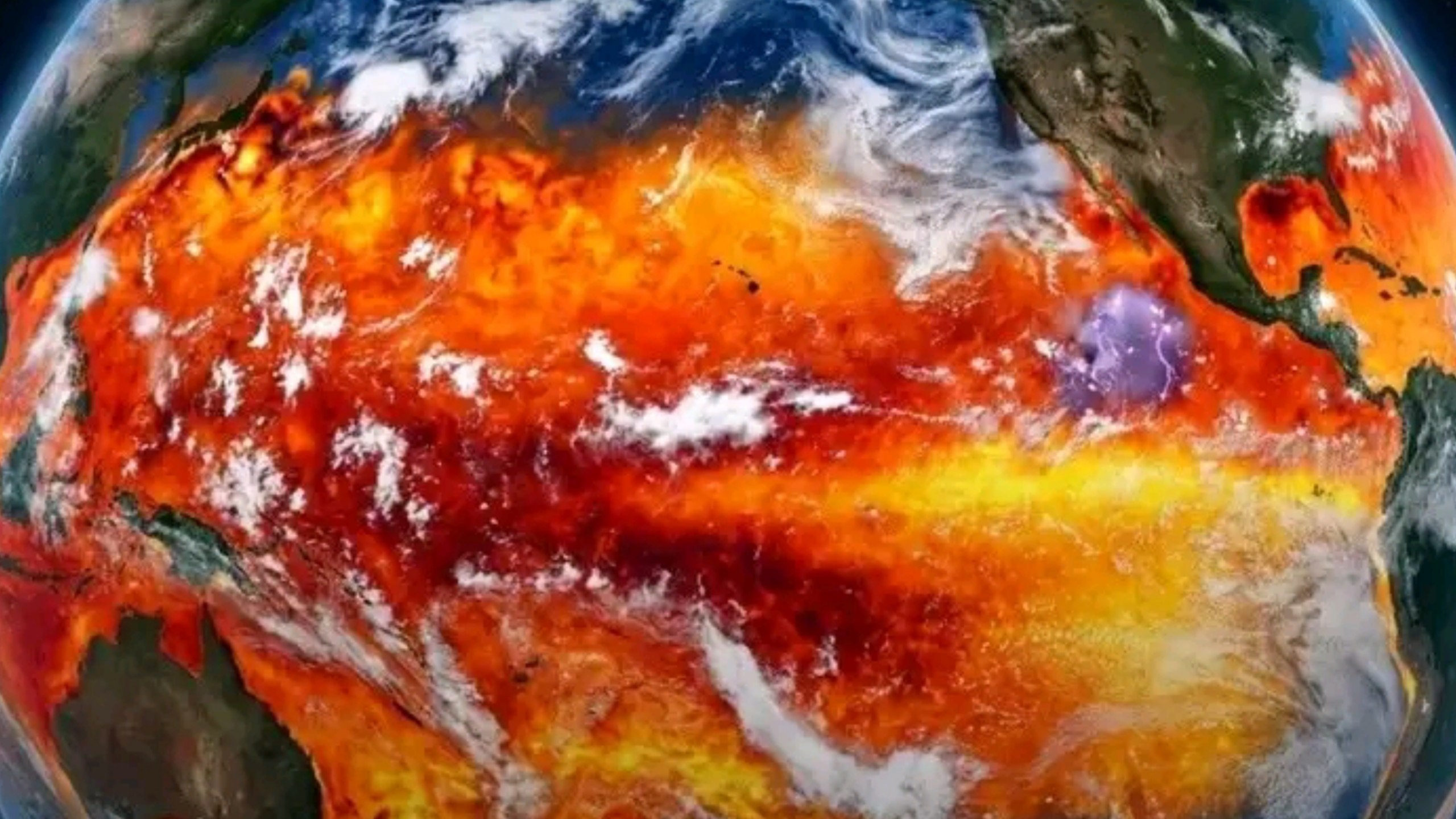
That assessment did not hold. Later analysis from climate researchers found multiple models aligning on the early development and rapid intensification of the El Niño system, with some climate communicators suggesting it could rival the severe 1998 event as one of the strongest of the century. Rather than arriving late and softly, as initially projected, the phenomenon accelerated — shifting cloud formation toward the central Pacific, reducing moisture flow into South Asia, and trapping Bangladesh under high-pressure systems that weaken the monsoon’s natural cooling effect.
This gap between early forecasts and the system’s actual trajectory matters enormously for a country where agricultural planning runs on seasonal predictions. The World Bank has since flagged the stakes directly, noting an 82 percent probability of El Niño conditions persisting into early 2027, with rice output potentially declining between 20 and 50 percent in severely affected areas of South Asia. Bangladesh’s boro rice harvest was completing under generally favourable conditions when the warning was issued, but the report cautioned that conditions could deteriorate as the year progresses — a warning made more urgent by the fact that the underlying El Niño event had already outpaced earlier, gentler forecasts.
A Conflict Half a World Away, Felt In Every Village
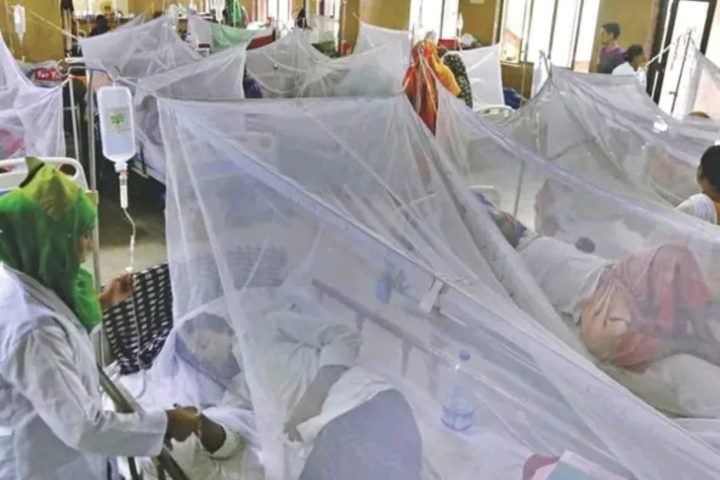
While the atmosphere reshapes Bangladesh’s harvests, a separate crisis is unfolding through its labour markets. Close to seven million Bangladeshis work across the Middle East, forming one of the country’s most important economic lifelines. Saudi Arabia alone hosts an estimated 3.5 million Bangladeshi workers, with hundreds of thousands more spread across the UAE, Qatar, Kuwait, Oman, and Bahrain — most employed in construction, transport, and service sectors that are physically demanding and often insecure, but which remain, for many rural families, the most dependable route to financial stability.
The ongoing regional conflict has turned that dependence into vulnerability. According to Bangladesh Bank data, between 65 and 70 percent of the country’s total remittances originate from the Middle East, and the country recorded a record $32.8 billion in global remittances in 2025, with over $13.5 billion of that from the Gulf alone. Officials now warn that figure could fall to between $28.5 billion and $30 billion in the current fiscal year if the conflict continues to worsen.
The human toll has already begun. The Bangladesh government has confirmed that at least five migrant workers have been killed and several injured in missile and drone strikes across the region, while community leaders describe a “multi-layered crisis” of job losses, delayed salaries, and flight suspensions affecting more than ten million Bangladeshi expatriates across the Gulf. Airspace closures alone led to the cancellation of at least 182 flights over four days at Dhaka’s international airport, disrupting both travel and trade.
Bangladesh Bank spokesperson Arief Hossain Khan captured the uncertainty facing policymakers, noting that the immediate impact remains unclear, but that a prolonged conflict resulting in job losses among expatriates would significantly affect remittance inflows. Centre for Policy Dialogue fellow Mustafizur Rahman echoed that assessment, warning that if the war spreads further across the Middle East, remittance flows may decline in ways that would have profound effects on the broader economy and on ordinary households.
Discover More Stories Worth Your Time
Explore Which Water Project Matters?
Discover the scale and impact of Bangladesh’s biggest water project in years.
Check What Changed Six Months?
Explore the BNP government’s progress on major policies since the February election.
See Why Border Tensions Continue?
Discover what BGB-BSF talks reveal about push-in disputes and bilateral relations.
Find Why Pori Stays Trending?
Explore the relationship drama keeping Bangladesh fascinated with Pori’s personal life.
Learn Who Hurts Fishermen Most?
Discover how middlemen, rather than nature, are cutting into hilsa fishermen’s incomes.
Where the Two Crises Converge
The connection between these two crises is not merely coincidental — it is structural. A weakened monsoon threatens domestic rice production just as remittance income, the very safety net many rural families rely on to cushion agricultural shocks, faces its own disruption. Analysts have pointed out that Middle East tensions can even influence the price of rice in a Bangladeshi village market indirectly, through disrupted trade routes and shifting global food costs, compounding the risk posed by El Niño-driven harvest losses.
Labour economists argue the moment demands a rethink of Bangladesh’s long-standing reliance on both unpredictable rainfall and low-skilled overseas labour migration. BRAC Migration Programme head Shariful Islam has suggested that despite sending millions of workers to Gulf states over recent years, actual remittance earnings from some markets have already begun to decline, exposing structural weaknesses in a system built around volume rather than skill or income diversification.
Building Resilience Against Compounding Shocks
For Bangladesh, the lesson emerging from these twin pressures is that resilience cannot be built against a single threat in isolation. Better climate monitoring and more conservative, adaptive forecasting could help agricultural planners respond faster when El Niño events intensify ahead of schedule, as this one has. At the same time, diversifying labour markets beyond the Middle East, investing in technical and vocational training, and strengthening domestic food reserves could reduce the shock of remittance volatility.
Policymakers now face a narrowing window to act on both fronts simultaneously. With food security and foreign currency earnings both under strain from forces largely outside Bangladesh’s control, the coming months will test how well the country’s institutions can absorb compounding shocks — one written in the sky, the other in the geopolitics of a distant region, but both landing squarely on Bangladeshi households.
Summary
Bangladesh faces converging crises: an El Niño event that intensified faster than initial forecasts predicted, threatening rice yields, alongside a Middle East conflict disrupting remittances from millions of expatriate workers — together straining food security and the economy.